MAIN CONTENT
A commission warning, not proof of every end use
The U.S.-China Economic and Security Review Commission, which advises Congress, says advanced processors remain important to the People’s Liberation Army’s drive toward what it calls “intelligentized warfare.” The term describes integrating AI into intelligence analysis, command systems, logistical planning and potentially weapons-related functions. In that vision, computing capacity is not simply an industrial input; it can shorten the interval between collecting information and acting on it.
The commission’s account, reported by Reuters on November 18, alleges attempts to work around American export controls. Such claims should be distinguished from a confirmed finding that any particular shipment reached a weapons programme. The assessment identifies a strategic risk and an enforcement challenge rather than publicly tracing every transaction. This distinction matters because the same advanced processors support medical research, scientific modelling, language systems and ordinary business services.
The limits of controlling a global technology
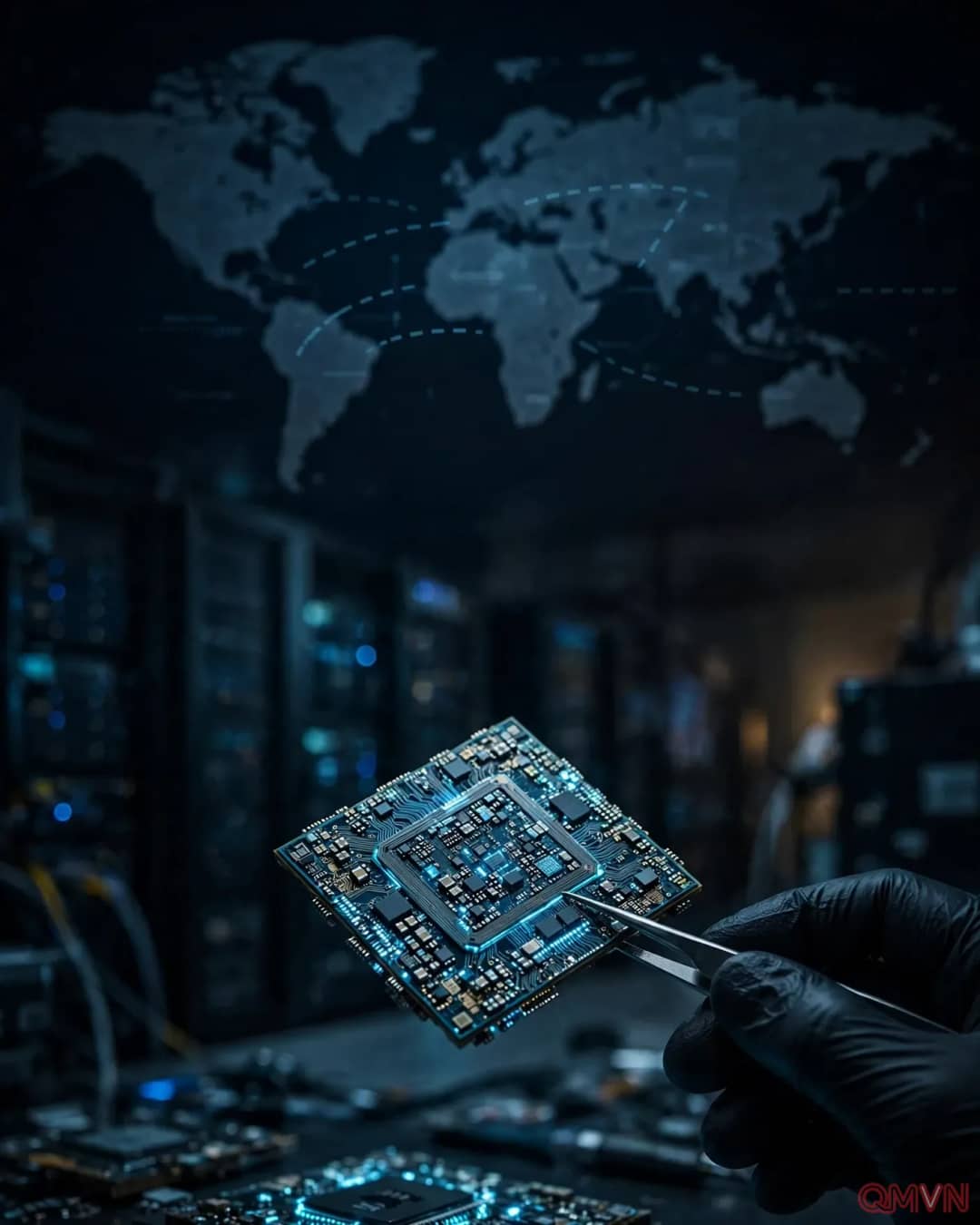
American restrictions on advanced computing chips began tightening in 2022 and have evolved through successive rule changes. Their stated purpose is to impede access to capabilities that could enhance military intelligence and other sensitive applications.