Analysts ask whether losing the US midterms would push Trump to double down or mark the beginning of the end of his political dominance
The November 3 US midterm elections are both hugely consequential and not so decisive, according to analysts and former officials interviewed by the South China Morning Post. If Democrats win as many forecasts suggest, Congress could step up scrutiny of President Donald Trump’s unconventional policies, from tariffs to the war in Iran. Yet Trump is not on the ballot and retains his veto to block legislation that challenges his agenda. Experts also expect a Congress less beholden to the president to take a tougher line on China, while Trump may focus more on executive orders and foreign policy, where he faces few constraints. The White House’s quiet easing of Canadian tariffs in Maine is seen by some as the first sign of unacknowledged “strategic retreats.”
Edite QUANG MINH·2 min read · 5 min listen·1 November 2026, 22:16 EST·
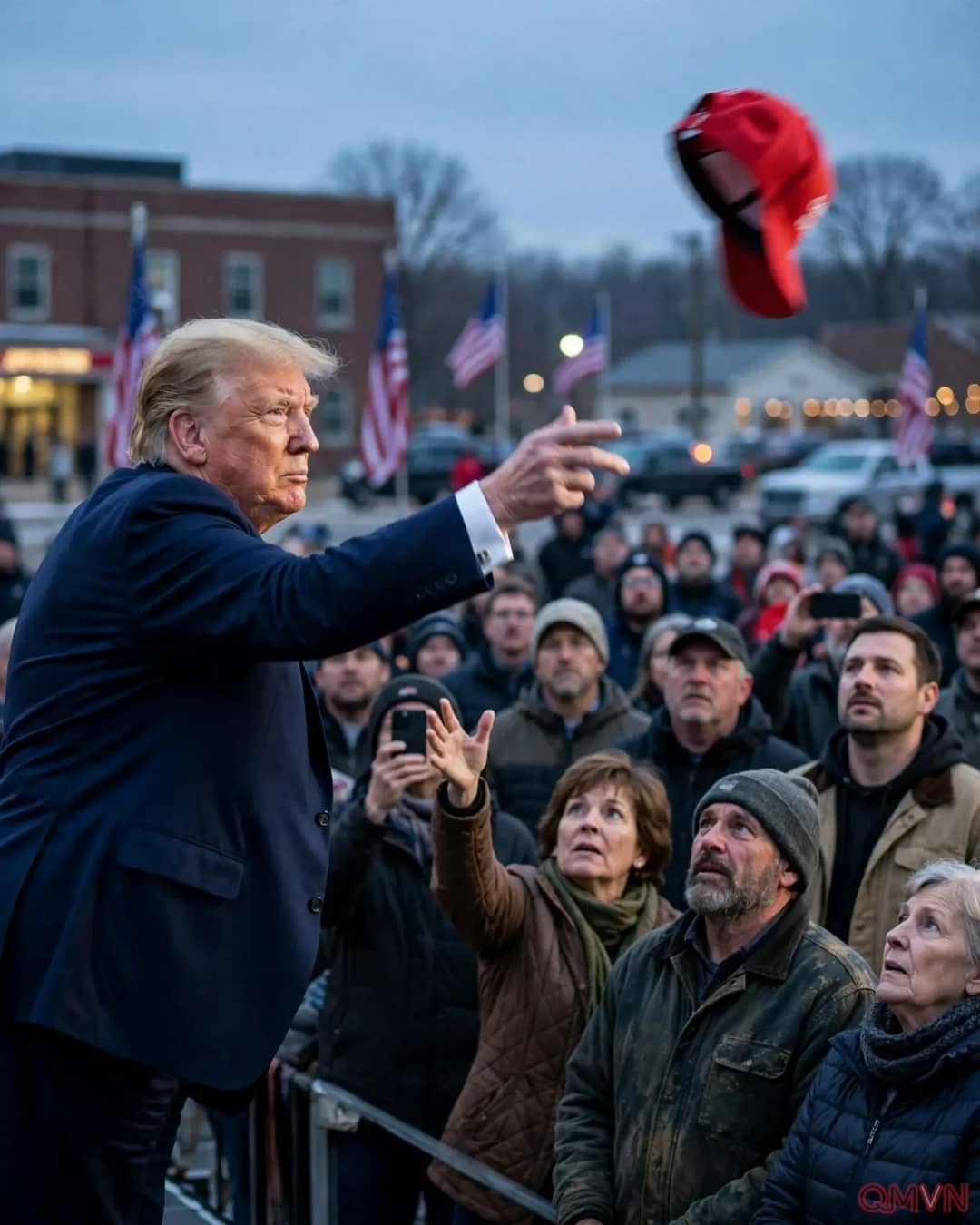
AI-generated illustration
Consequential, but not structural
According to analysts, a strong Democratic showing could bring closer scrutiny of what are seen as some of the most unconventional policies in America’s 250-year history. But Trump still holds the veto, so major structural change is unlikely.
Prediction site Kalshi gives Democrats a 92% chance of winning the House and 68% of winning the Senate.
Advertisement300 × 250
Experts say what a new Congress can do is hold probing hearings that make some policies less popular.
“The stakes are not as consequential as a lot of people think because Trump still has the veto power. But you’re not going to be able to turn off the Iran war. You’re not going to be able to turn off the tariff policy.” — Jeffrey Moon, head of China Moon Strategies and former US National Security Council official
A tougher Congress on China?
One expected consequence is more anti-Beijing legislation. Over the past year, Trump has been far less hawkish than Congress or his cabinet:
Forging a trade truce and meeting President Xi Jinping twice in person.
Easing fentanyl-related tariffs and suspending reciprocal tariffs.
Moving closer to Beijing on Taiwan policy and weakening export controls on advanced semiconductors.
The 119th Congress has enacted just 121 laws, compared with 350 to 600 per Congress in the 1990s.
According to Cornell University professor Sarah Kreps, Senate Republicans have not favoured loosening export controls but have gone along with it, and that could change if Democrats control one or both chambers. A Eurasia Group analyst said Beijing welcomes Trump’s current approach.
The reaction of an unpredictable president
Another concern is how Trump might react if Republicans suffer heavy losses. Yun Sun of the Stimson Center says the result could sour the president’s mood and he may look for scapegoats. Other experts believe he will avoid confronting China because of Beijing’s leverage over rare earths, but see greater risk in 2027.
Analysts say that as his clout in Congress wanes, Trump is likely to rely more on executive orders and foreign policy. He has signed 510 executive orders in six years in office, surpassing the records of Ronald Reagan (381) and Bill Clinton (364) over eight years. He has also threatened to resume attacks on Iran after the election.
“Everyone is quite sure that it’s going to ruin Trump’s mood for a lot of things, and he might be looking for scapegoats.” — Yun Sun, China director at the Stimson Center
“Strategic retreats”
Analysts say a leader known for rarely admitting mistakes is likely to make more strategic retreats without acknowledging them. Late on October 30, the White House quietly eased tariffs on Canadian goods in Maine, where Republican Senator Susan Collins faces a tough race.
Trump’s supporters, however, argue that his policies have delivered favourable trade deals, reasserted America’s standing and forced rivals to back down. They stress that the president adjusts flexibly to protect Americans’ interests, rather than admitting failure.
“He hasn’t admitted the failure of his tariff policy, but that’s what this is all about. This will be like cracking or breaking down a wall. This is the first brick.” — Jeffrey Moon, China Moon Strategies
EVENT BACKGROUND
In American history, midterm elections are often a test for the sitting president’s party, which usually loses seats. Under the US Constitution, however, the president can veto bills, and Congress needs a two-thirds majority in both chambers to override, which is very hard to achieve. In his second term, Trump has pursued an “America First” agenda with many dramatic decisions: imposing tariffs on almost every economy, launching the war in Iran, capturing Venezuelan leader Nicolás Maduro in January, moving closer to Moscow and reaching a trade truce with Beijing after their meeting in Busan, South Korea, in October 2025. Supporters see bold policies that put national interests first and break with ineffective old patterns. Critics argue these decisions have harmed allies, pushed up oil prices and living costs, and concentrated too much power in the executive. The knot is that even if he loses Congress, Trump will retain significant instruments of power, and his final two years could see a fierce tug-of-war between the White House and Capitol Hill.
LESSONS FROM THE ARTICLE
In a democracy, election results change not only seat counts but the balance of oversight over power.
Not admitting mistakes does not mean not adjusting; actions sometimes speak louder than words.
Unchecked power always seeks to expand into the areas with the fewest constraints.
Subscribe to the QMVN newsletter
A daily morning digest - only stories worth reading, no spam.