MAIN ARTICLE
Diplomatic signals move prices before barrels move
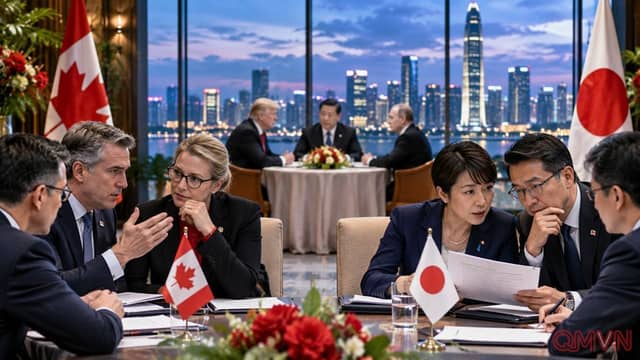
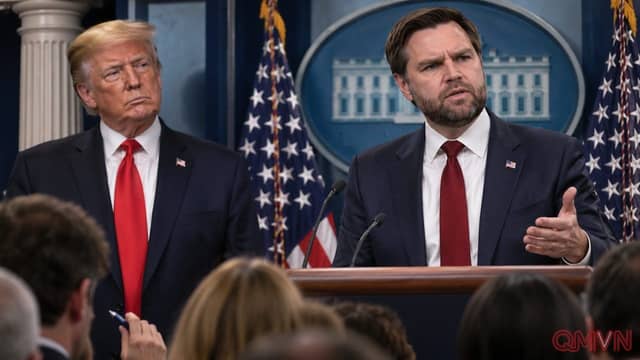
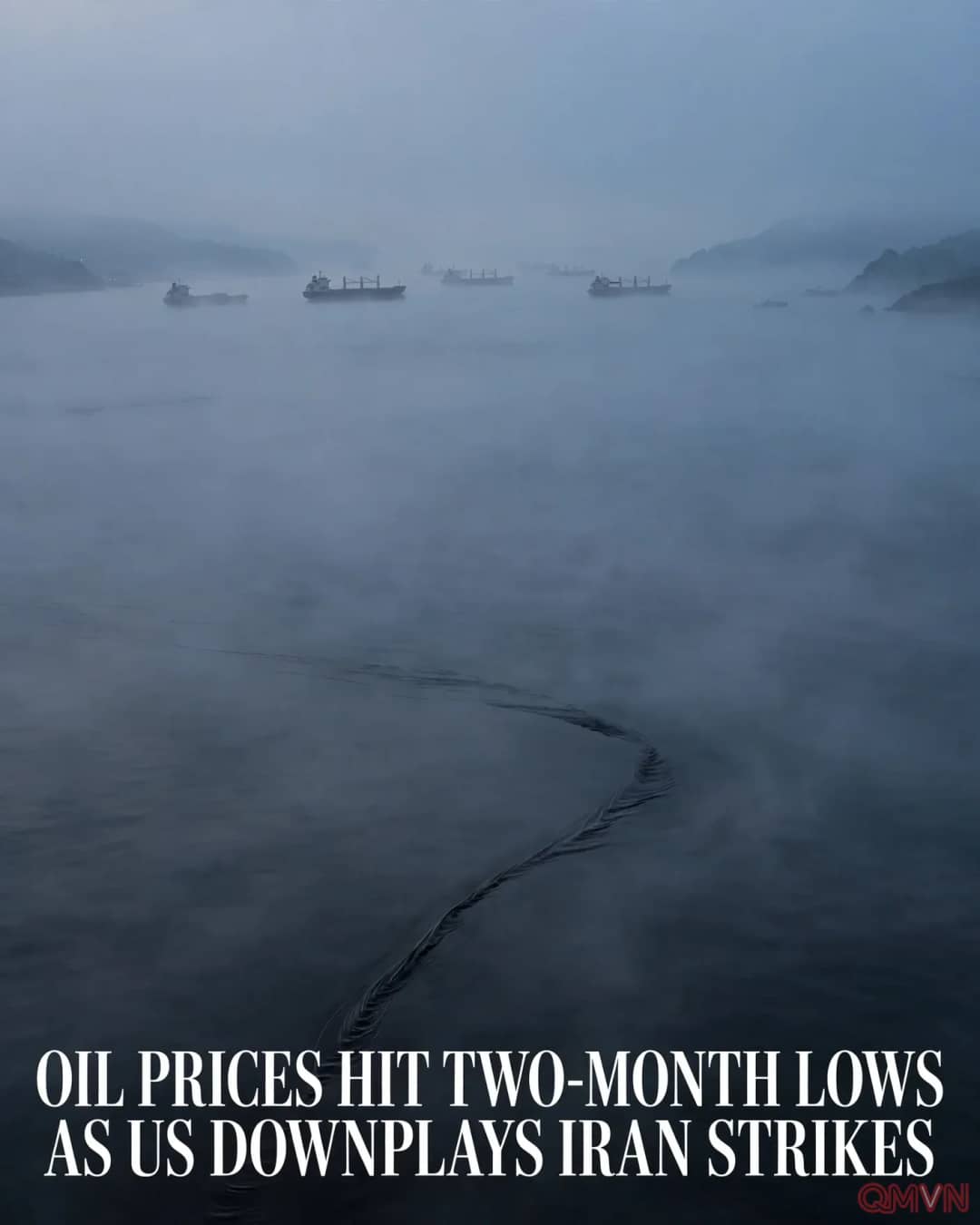
The immediate catalyst was a change in the perceived likelihood of escalation. President Donald Trump said he would pause new military strikes after appeals from regional governments, including Qatar. Rubio told Group of Seven counterparts in Paris that financial sanctions and a naval blockade were achieving US objectives without requiring major new combat operations. Traders interpreted those remarks as a lower probability of another supply shock, rather than evidence that the conflict had ended. Reuters reported Brent at $90.64 and WTI at $85.41 during Tuesday's US session; these were intraday observations, not final settlement prices.
Financial markets trade expectations as well as physical barrels. When fears of attacks on ports, tankers or energy installations diminish, part of the geopolitical risk premium can vanish quickly. The retreat followed particularly sharp losses on Monday and a difficult prior week for crude. Yet the distinction between a pause in additional strikes and a comprehensive agreement matters. A headline can reduce anxiety instantly; restoring predictable navigation, insurance and investment requires much more than a diplomatic change in tone.