MAIN STORY
An unusually swift rejection on election eve
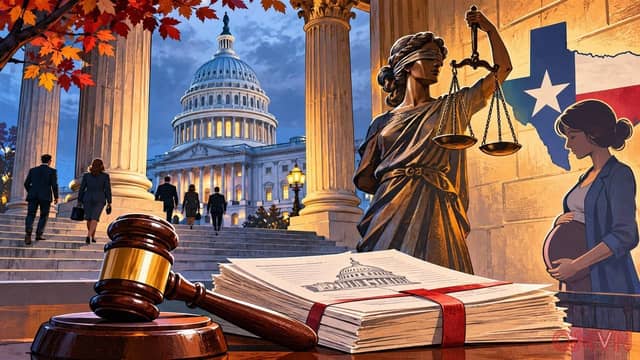
On November 2, federal lawyers asked the Supreme Court to direct California officials to separate vote-by-mail ballots linked to names on the government's disputed list. That evening the justices rejected the application in a one-line order, without seeking further written arguments from the opposing side. No public dissent was recorded. Such speed is striking for an emergency application submitted by the federal government, particularly as voters were approaching the final hours of an election with control of Congress at stake.
Solicitor General D. John Sauer framed the demand as a limited safeguard: the ballots would not be destroyed but held pending citizenship checks. Yet identifying and isolating ballots already returned or entering county processing systems poses practical difficulties. Lower courts had already turned away the administration's attempts, with judges questioning the reliability of the information and the consequences of imposing new procedures so close to Election Day.
The disputed list and the difference between suspicion and proof
The roughly 20,000 names represent allegations of potential ineligibility, not 20,000 proven instances of illegal voting. The Justice Department said federal agencies had assembled a list of people likely to be noncitizens and registered California voters.