Brazil's election enters the final stretch as Lula and Flavio Bolsonaro converge on Sao Paulo to court voters ahead of the October 25 runoff
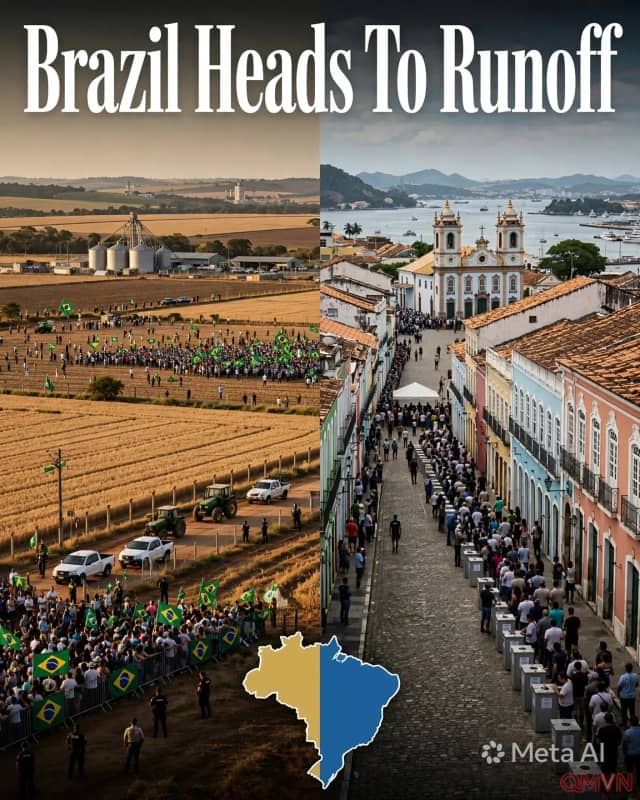
Brazil's deeply polarised presidential election is entering its final stretch. On October 11, both candidates headed to Sao Paulo, the capital of the country's most populous state, to win over voters and politicians ahead of the October 25 runoff. Conservative Senator Flavio Bolsonaro, son of former President Jair Bolsonaro, who led the first round with 47% of the vote, met Governor Tarcisio de Freitas and local mayors, promising to channel more federal funds to municipalities to fight crime. Incumbent President Luiz Inacio Lula da Silva, who trailed by two percentage points, headlined a major rally on Avenida Paulista and pledged to step up public safety, voters' top concern. In the crowd, elderly citizens who are no longer required to vote were determined to cast their ballots anyway, a sign that this race is reaching into every Brazilian household.
Tiếng Nói QUANG MINH·2 min read · 4 min listen·11 October 2026, 21:24 EDT·
AI-generated illustration
MAIN CONTENT
Sao Paulo, the decisive battleground
With tens of millions of voters, Sao Paulo state has always been the biggest prize on Brazil's electoral map. It is no surprise that, just two weeks before the decisive round, both candidates chose the city for their Sunday campaign stops.
Advertisement300 × 250
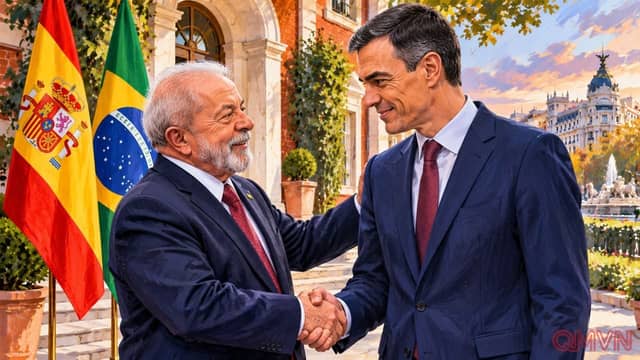
According to Reuters, each side pursued its own strategy: Flavio Bolsonaro focused on building a network of support among local politicians, while Lula chose his familiar path of speaking directly to crowds in the street.
Flavio Bolsonaro seeks grassroots allies
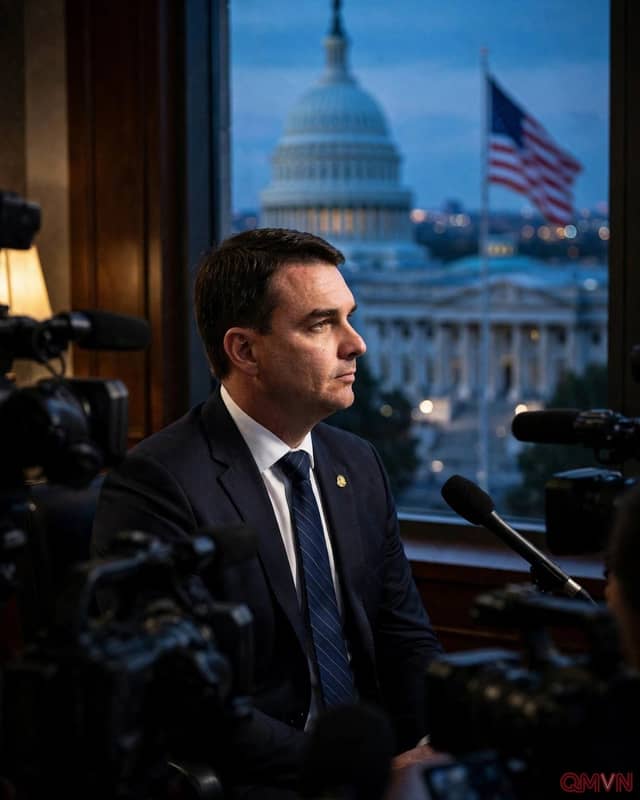
Building on his momentum after the October 4 first round, Flavio Bolsonaro met with reelected Sao Paulo Governor Tarcisio de Freitas and then spent much of the day with mayors and city councillors. He promised that, if elected, local governments would receive more funding to fight crime.
I want to be very close to each one of you, mayors. This is how we are going to build a truly better Brazil, because federal resources will reach the ground level.
Appearing alongside Tarcisio, an influential conservative figure, sent the message that the right is uniting behind the political heir of the Bolsonaro family.
Lula takes to Avenida Paulista
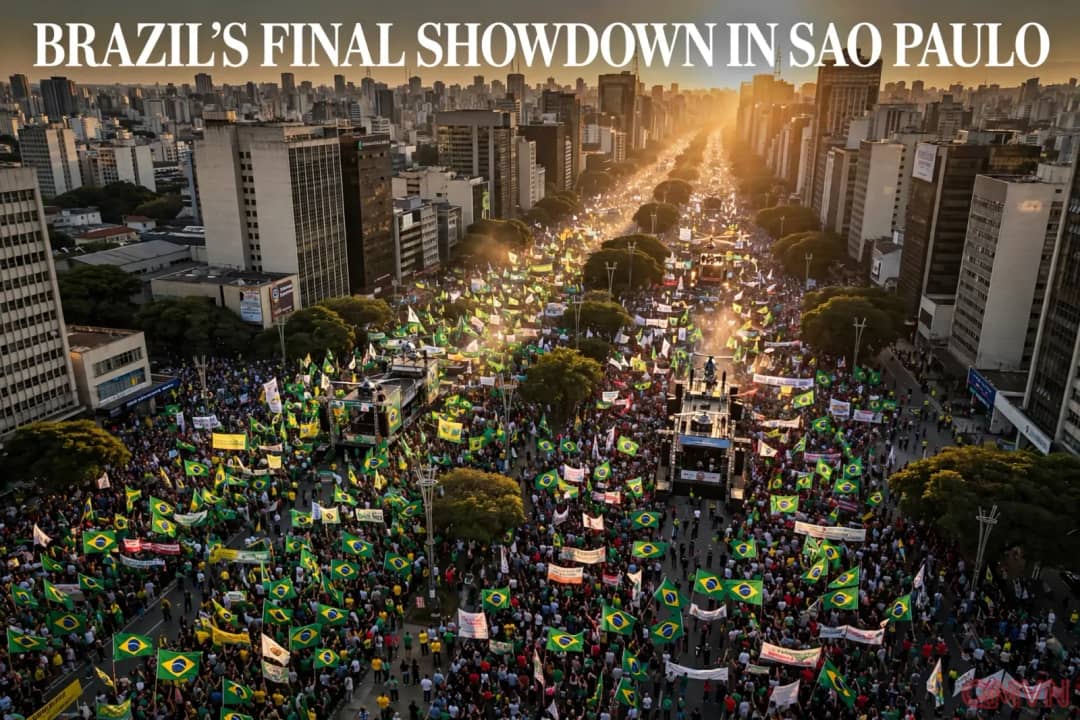
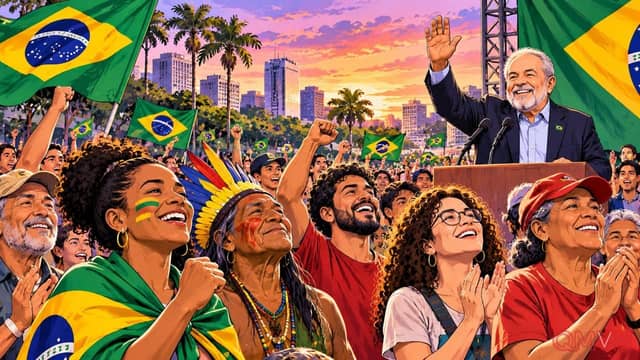
On the other side, President Lula, who trailed by two percentage points after the first round, headlined a large rally “in defence of democracy” on Avenida Paulista. Before taking the stage, the leftist leader promised to redouble efforts on public safety.
For the working people, for the community, for the territory, protection; for criminals, prison.
From atop a sound truck, he urged young people – who made up much of the crowd – to turn out, while also appealing to citizens over 70, for whom voting is optional under Brazilian law.
Public safety, a shared concern
Although they stand at opposite ends of the political spectrum, both candidates recognise that crime and violence weigh most heavily on voters. Their pledges reveal two different approaches:
Flavio Bolsonaro: more federal funding for municipalities to fight crime themselves.
Lula: an overhaul of the national approach to crime, with direct federal government involvement.
Both: putting public safety at the centre of their campaigns in the final two weeks.
That both rivals have converged on the same theme reflects a reality: in Brazil, a sense of safety on the streets may well decide who walks into the Planalto Palace.
The votes of the old and the young
In the crowd stood Carlos Teobaldo da Silva, 79, a retired Petrobras employee who rose from bricklayer to maintenance supervisor, wearing his orange company uniform. He said he felt compelled to vote for Lula, even though voting is optional at his age.
I believe in a turnaround, and I will keep fighting for Lula's reelection and his projects.
The image of the old worker alongside young voters speaks to something deeper than a political contest: for many Brazilians, the ballot is a way of defending what they have believed in all their lives.
BACKGROUND
The story begins with the 2022 election, when Lula defeated incumbent President Jair Bolsonaro by a razor-thin margin, ending one of the most bitter campaigns in Brazil's history. Just a week after the inauguration, on January 8, 2023, thousands of Bolsonaro supporters stormed Congress, the Supreme Court and the presidential palace in Brasília. In 2025, the Supreme Court convicted Jair Bolsonaro of plotting a coup to overturn the election result; he had also been barred from running for office. Against that backdrop, his son, Senator Flavio Bolsonaro, has taken up the banner of the right. In 2026, Lula, now in his eighties, is seeking a fourth term, while voters are frustrated by crime, the cost of living and social polarisation. That is the crux: Lula's supporters see the election as a battle to defend democracy, while Bolsonaro's backers view it as a chance to correct course and change direction. The October 4 first round showed the two sides almost evenly matched, turning the runoff into a race for every single vote.
Key takeaways
In a divided society, the winning candidate is the one who listens to the fears shared by all sides.
The optional vote of an elderly citizen can be the most powerful declaration of faith.
Democracy is preserved not only at the ballot box but in how rivals compete over people's real problems.
Subscribe to the QMVN newsletter
A daily morning digest - only stories worth reading, no spam.