MAIN ARTICLE
An electoral comeback, not a national consensus
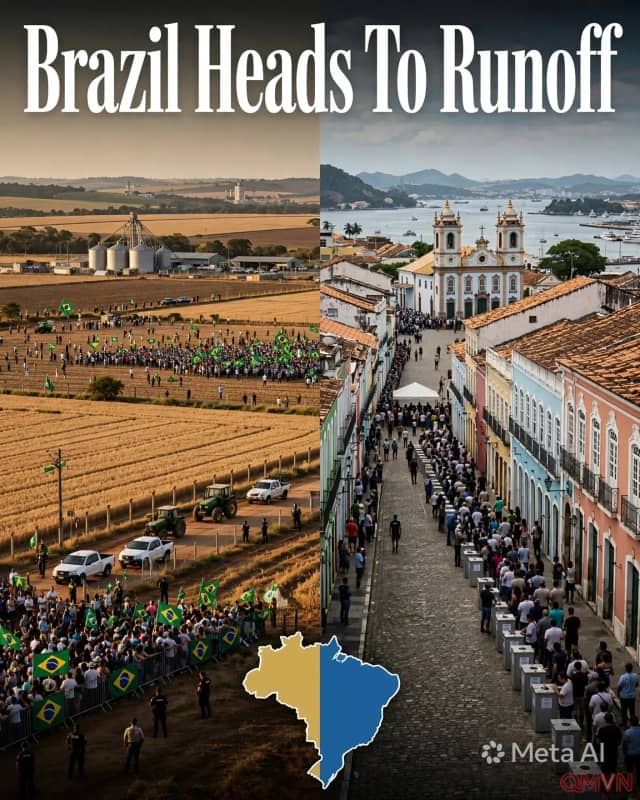
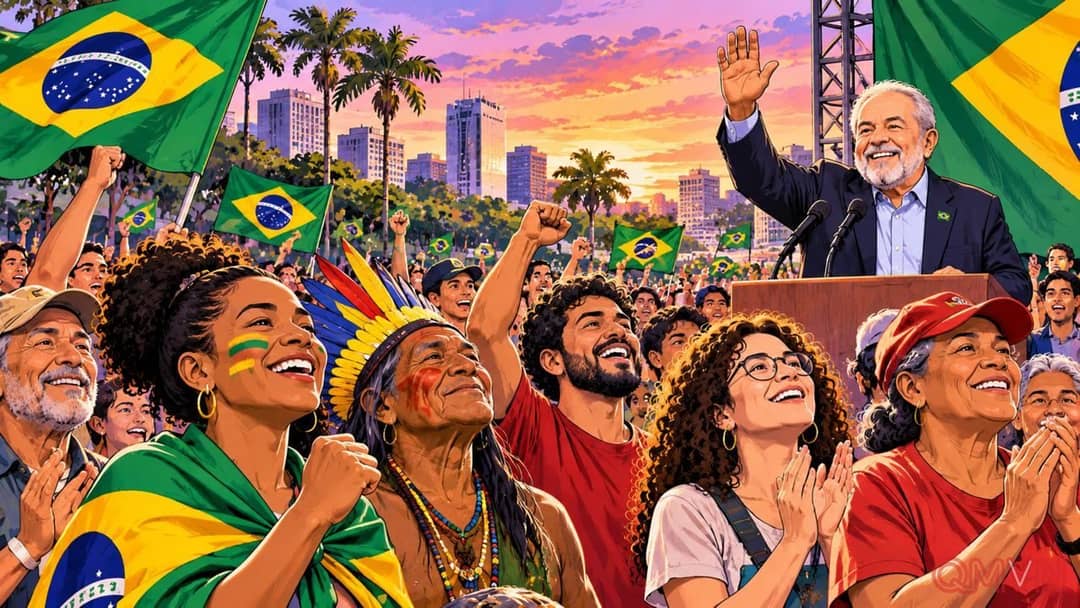
Lula reversed a first-round setback. Flávio Bolsonaro finished ahead on October 4 but failed to secure the majority required to avoid a runoff. On October 25, the incumbent overtook him by almost 4.4 million votes, according to the electoral results reported by Reuters and AP. Grassroots activists, unions and moderate voters contributed to a coalition that found common ground in resisting the political return of the Bolsonaro family.
Still, winning does not erase polarization. The defeated candidate challenged the result after voting hours were extended because of transport disruptions and bad weather. Election authorities maintained that the process was legitimate. Democratic confidence depends not merely on counting ballots, but on resolving disputes through accountable institutions instead of treating every loss as proof of wrongdoing.
A broad coalition with competing priorities
Lula’s political strength has long been his willingness to build bridges among movements that disagree on economics and social policy. Labor organizations and landless workers share an electoral tent with centrist politicians, environmental advocates and pragmatic business interests.