MAIN CONTENT
A diplomatic opening amid a crowded summit
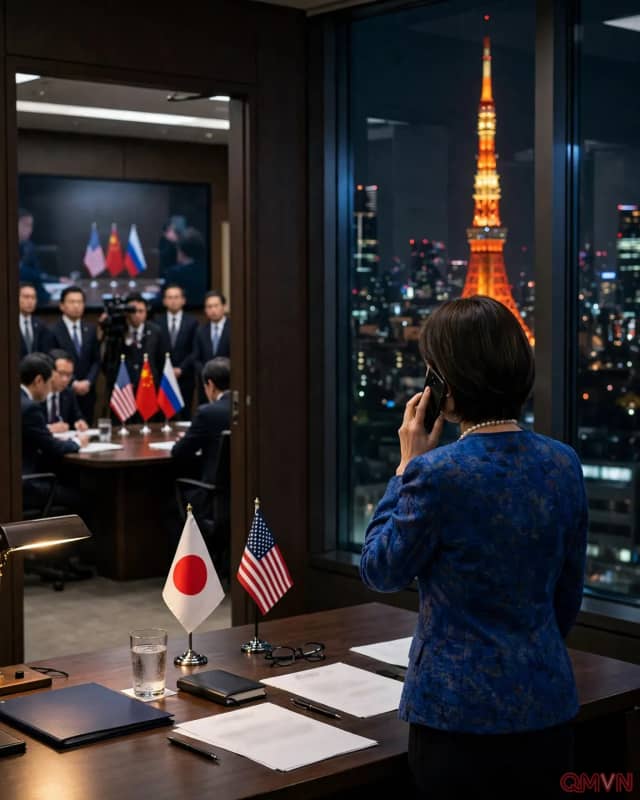
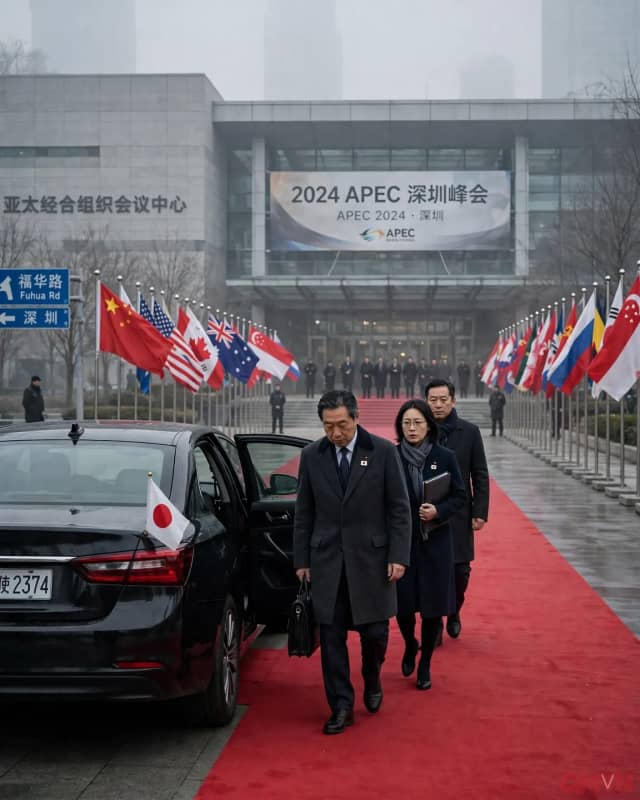
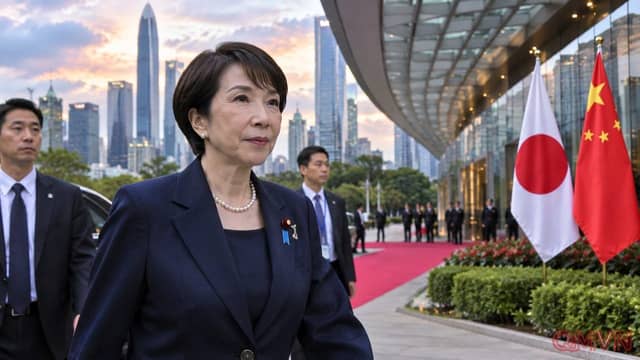
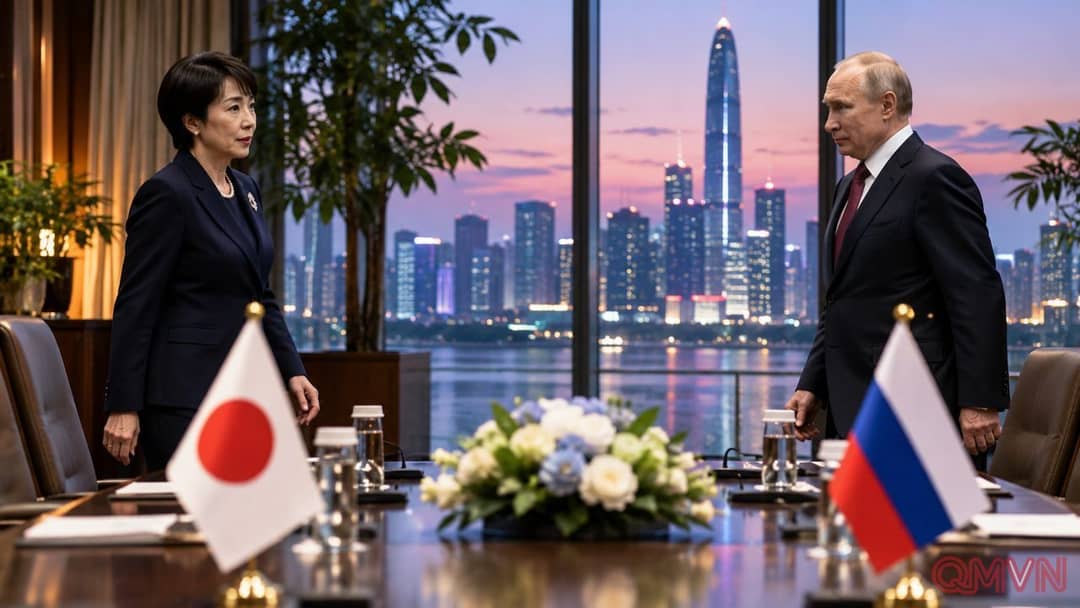
Jiji Press and Nippon.com reported on November 17 that a senior Japanese government official expected Prime Minister Sanae Takaichi and President Vladimir Putin to meet in Shenzhen. The Russian side had earlier left open the possibility of brief contact. With no jointly announced schedule or outcome, the encounter remains prospective rather than an accomplished diplomatic event.
A discussion on the fringes of APEC may be short and focused on immediate concerns. Such exchanges rarely resolve fundamental disputes overnight, but they can establish positions, lower the risk of misunderstanding and keep communication functioning when formal relations are badly strained.
China’s role as APEC host adds another dimension as major powers prepare meetings watched across the world. For Tokyo, speaking to Moscow would not necessarily signal a change in its approach to Russia’s war in Ukraine; it could instead provide a channel for addressing specific human and commercial concerns.
Difficult issues between Tokyo and Moscow
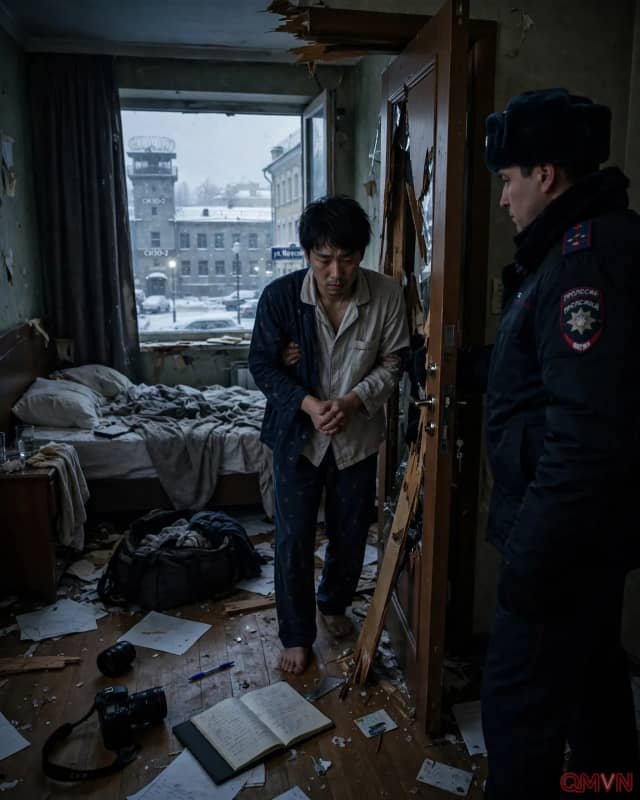
One issue identified by Japanese reporting is the detention in Russia of Japanese journalist Yuki Imai. Allegations made by Russian authorities and Tokyo’s demands for his release are distinct matters and should not be conflated.