MAIN CONTENT
Polling numbers expose political pressure
A Yomiuri survey of 1,033 respondents put positive assessments of Takaichi’s China policy at 44%, compared with 46% in October and 62% in November 2025. The shift suggests waning confidence in the handling of a crucial relationship. It should not, however, be interpreted as proof that every respondent withholding approval wants a softer approach. Approval of a foreign-policy position and approval of the cabinet as a whole are separate measurements.
Other polling points to a broader sense of unease. An Asahi Shimbun survey reported that 67% doubted Takaichi could improve ties with China. Different questions produce different percentages, but together they reveal an uncomfortable political reality: Japanese voters want their government to uphold security interests while managing the economic and diplomatic costs of confrontation. For households and businesses, the relationship is not an abstract strategic debate. It can influence investment confidence, trade and the predictability of supply chains.
Why a handshake carries diplomatic weight
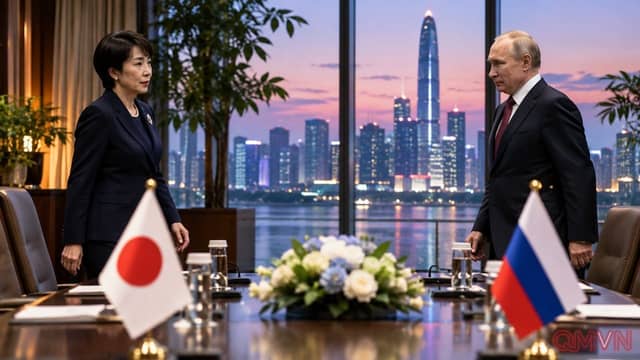
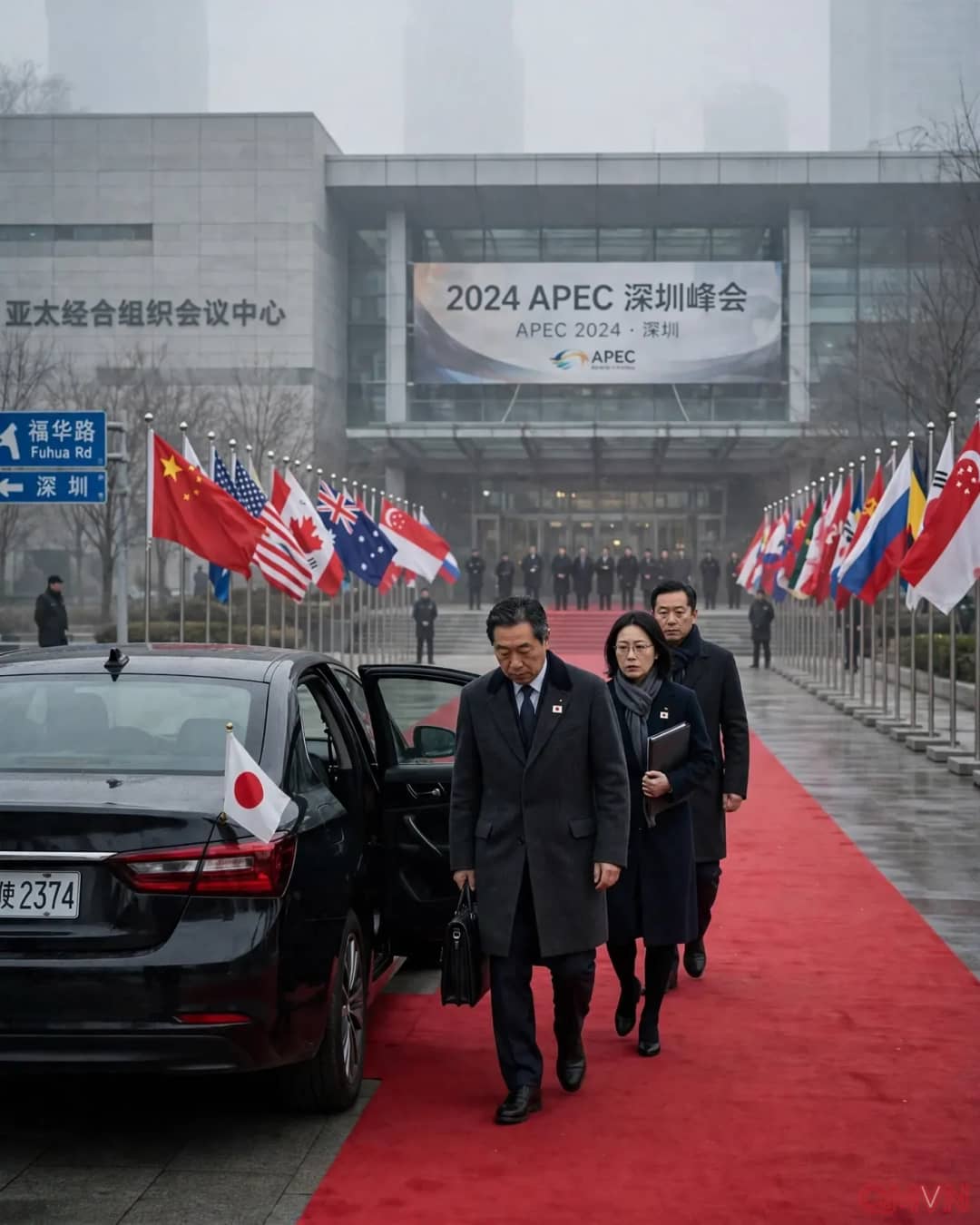
The Shenzhen summit brings together leaders representing APEC’s 21 member economies. Its formal agenda emphasizes regional economic cooperation, but the conversations around the conference can be just as consequential.