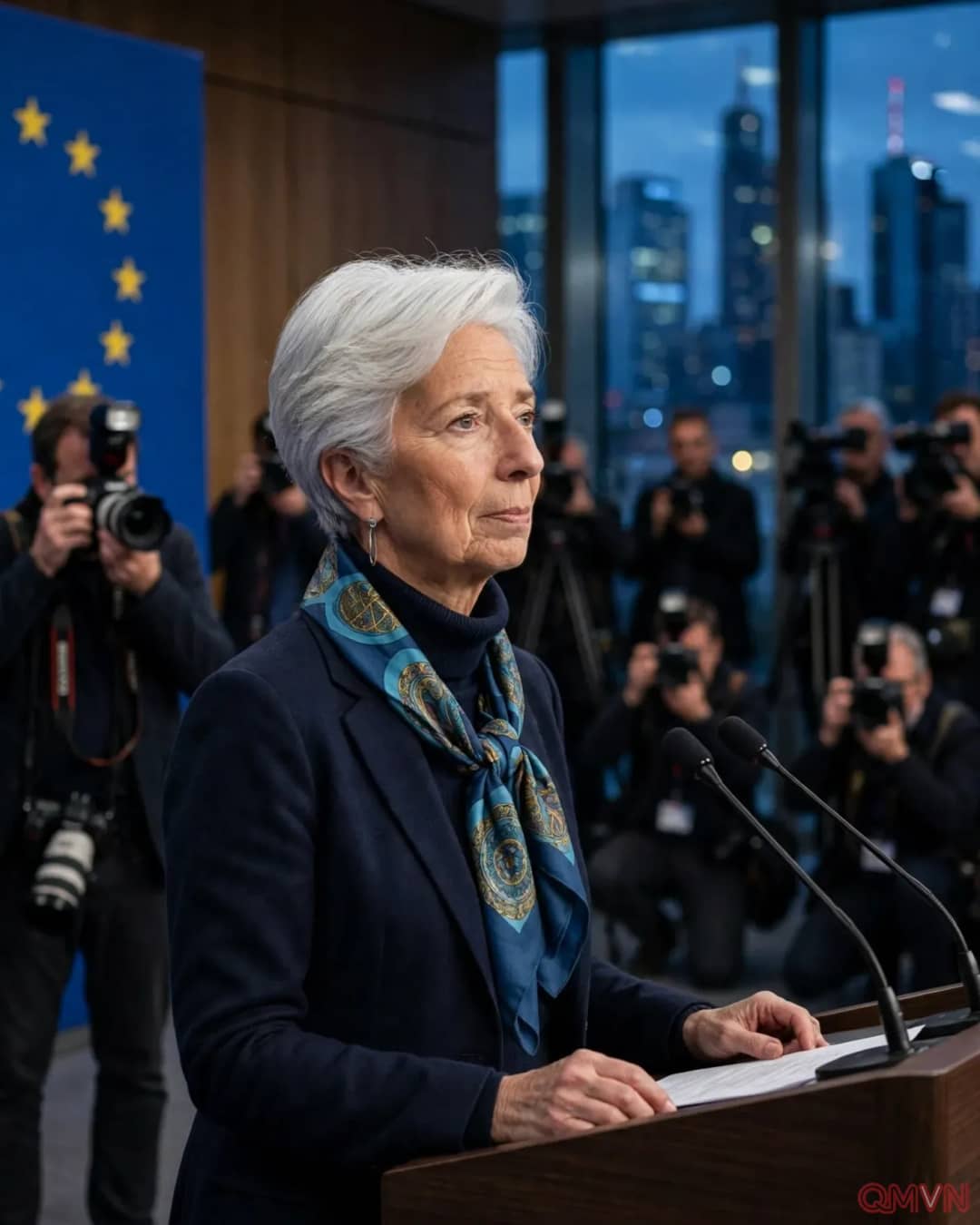
Rates on hold despite inflation near double the target
Although euro zone inflation rebounded to 3.8% in September – nearly double the 2% target – the ECB's Governing Council decided not to act immediately. Lagarde explained that the “second-round effects” of inflation, particularly wage pressure, were for now no greater than the ECB had anticipated; inflation excluding energy was “broadly stable,” while uncertainty “is building and increasing.” The decision was unanimous, though she acknowledged it sparked debate within the Council.
The ECB will continue to decide “meeting by meeting” and on a “data-dependent basis,” pushing any potential hike to December 17, the next Council meeting. Ann-Katrin Petersen, chief investment strategist for Germany, Austria, Switzerland and Eastern Europe at the BlackRock Investment Institute, said the ECB could raise rates to 2.75% in December if energy-linked price pressures persist. That would be the third hike of the year after June and September – increases that have already pushed up long-term borrowing costs for households and businesses, potentially weighing on growth.
France and yields above 5%
Lagarde was also expected to address France, where borrowing rates surpassed 5% on October 21 for the first time since 2002. She kept her distance, saying highly indebted countries will need to take rate levels into account in future budget policy, without naming France, and reiterating that the ECB has “instruments” if necessary without alluding to their use.