MAIN CONTENT
What changed, and who bears the cost?
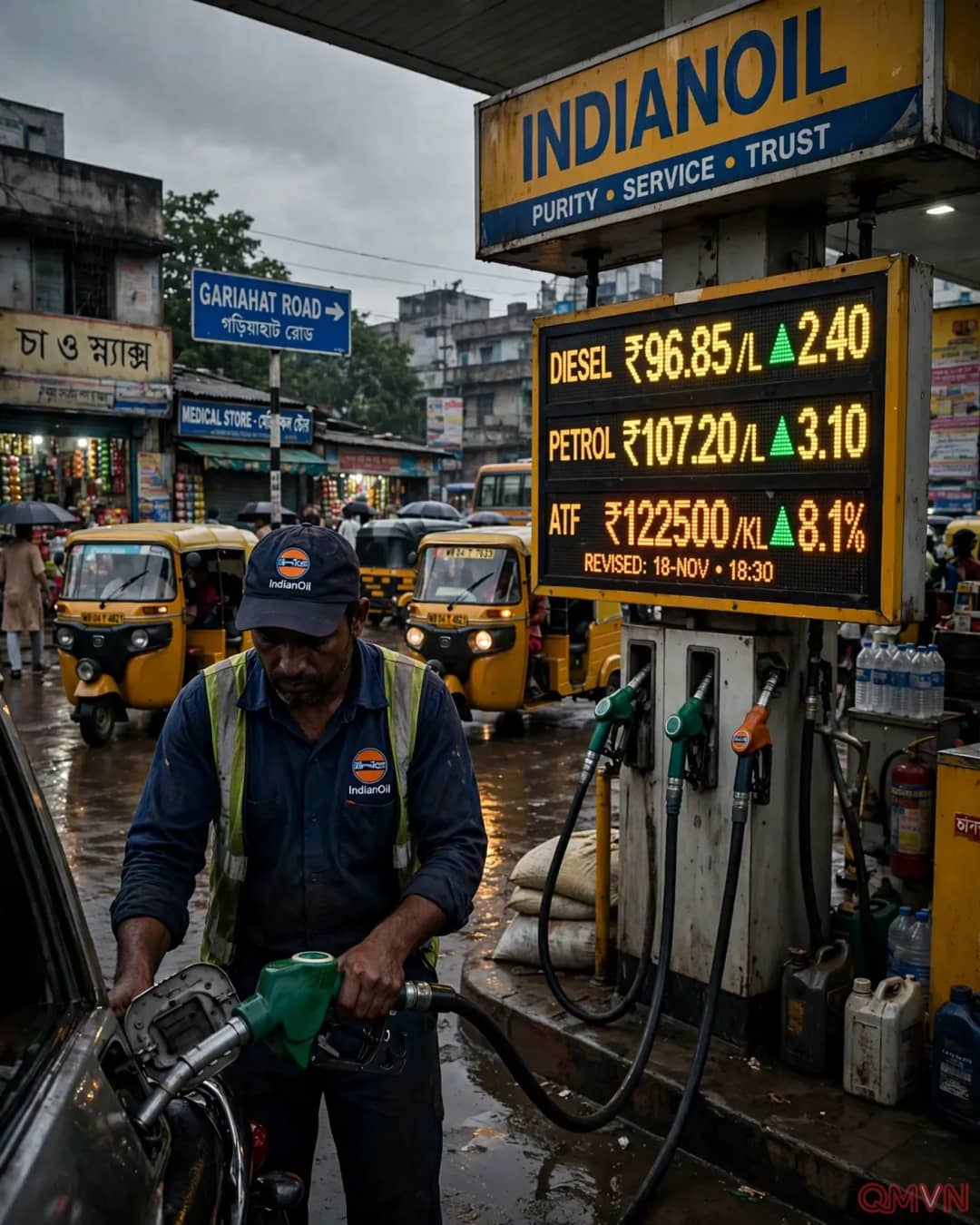
The November 16 decision lifted the diesel export levy by 2.50 rupees per litre, an increase of roughly 21.7% on the previous rate. Aviation turbine fuel, or ATF, faces an additional 1.50 rupees per litre, about 13.6% more than before. The export levy on petrol remains zero. These are charges on overseas shipments, not a fresh increase in the domestic tax on motorists.
For companies selling refined products abroad, a higher levy can reduce the commercial attraction of an export shipment. It could encourage a refiner to direct more output to Indian buyers instead. Yet that result depends on demand, available production, existing contracts and the gap between international and domestic prices.
The distinction matters: an export tax does not mechanically lower the amount households pay at filling stations. Its immediate effect falls on exporters’ calculations and potentially government revenue, while the eventual domestic impact must be measured rather than assumed.
Why inflation places energy at the centre
Official Indian data put October wholesale inflation at 12.29% year on year, up from 11.39% in September. The fuel and power component accelerated to 32.84%, highlighting how sharply energy costs are moving through the economy.