Four shocks at once
In the minutes, the central bank explained why prices are climbing again even as growth loses momentum. It traced the deterioration to four distinct supply-side forces:
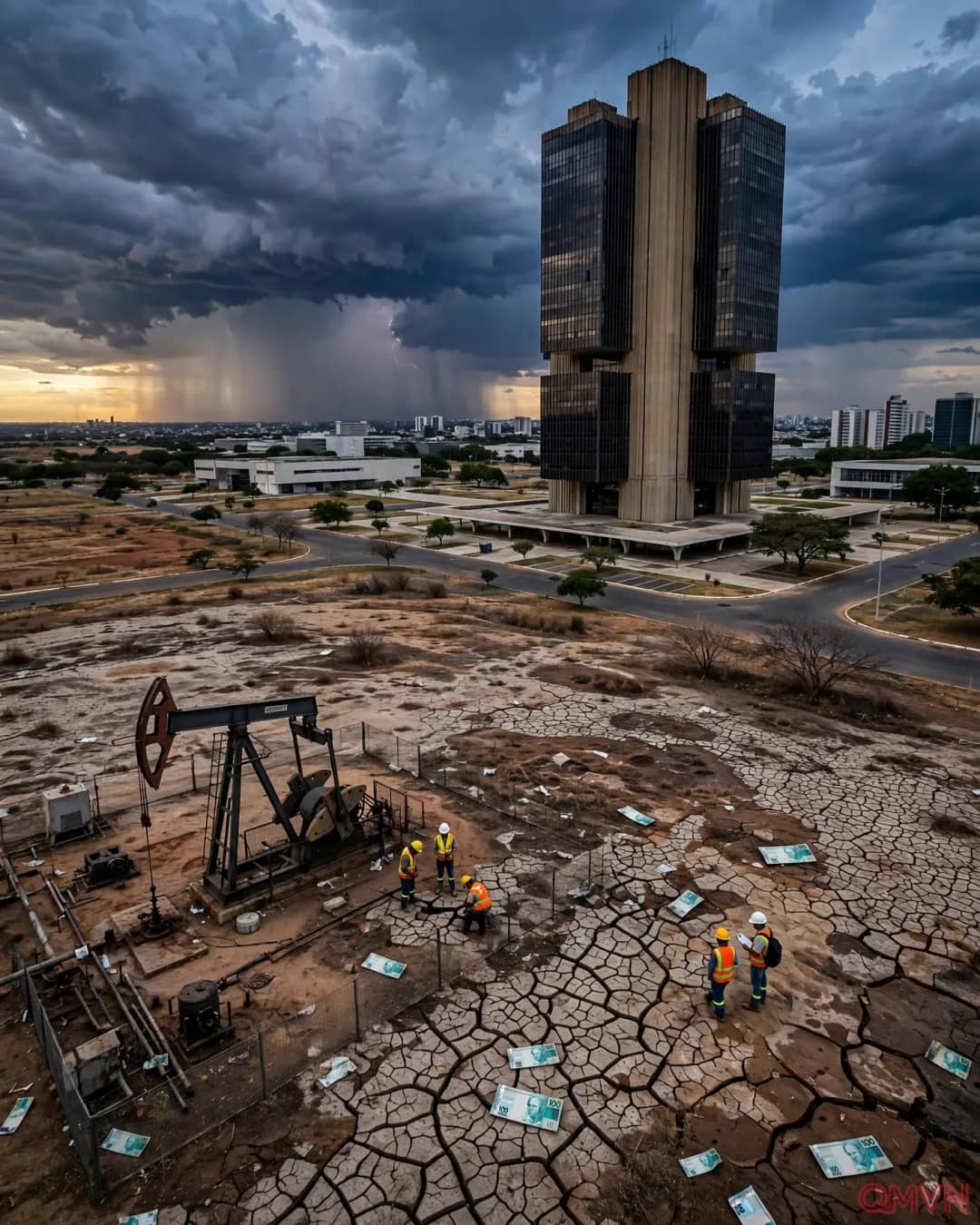
Higher oil prices, feeding through to fuel and transport costs.
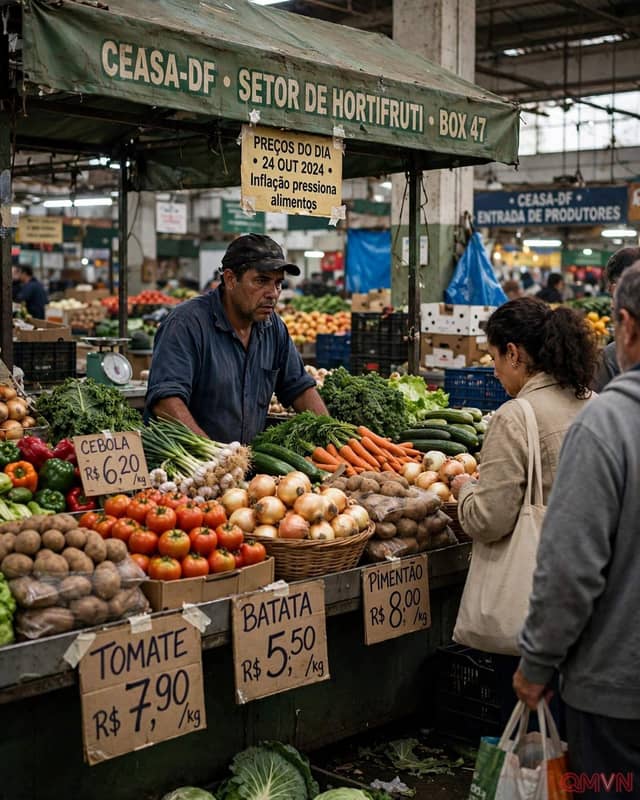
Pressures related to El Niño, which threaten harvests and food prices.
The end of the 44-hour work week, which raises labour costs for employers.
A weaker real, driven by uncertainty over domestic economic policy.
Central banks usually prefer to look through supply shocks. But policymakers stressed that headline and underlying inflation had accelerated beyond the upper limit of the tolerance band, while expectations had moved further from the 3% target, a combination that makes such shocks far harder to ignore. The bank added that weaker domestic demand and growth below potential could help keep the shocks from spreading into broader and more persistent inflation.
An easing cycle cut short
The Selic had been held at 15%, its highest level in nearly two decades, from June 2025 to March 2026, before the Copom began a cautious series of quarter-point cuts that brought it to 13.75% in September. At its November 4 meeting, the first after the presidential election, the committee voted unanimously to stop there.