MAIN ARTICLE
Malaysia: an astronaut search becomes a national scientific ambition
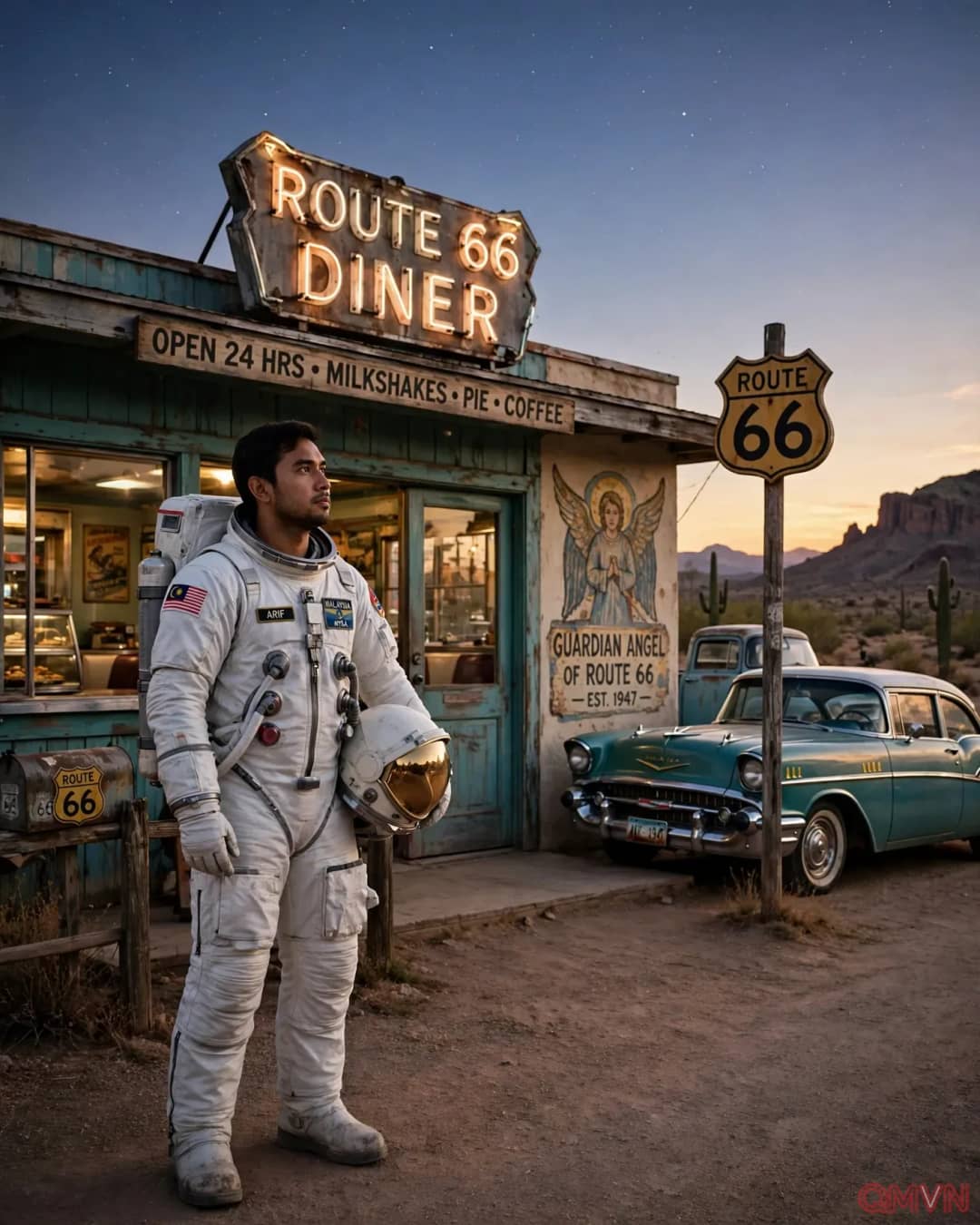
In 2002 Malaysia set out to establish a national space agency and opened a public competition to select a future astronaut. Astrophysicist Mazlan Othman, a founding figure in the country's space effort, recalls for the BBC the difficulty of turning political ambition into a credible programme. Around 11,000 people applied. The eventual choice, physician Sheikh Muszaphar Shukor, travelled aboard a Soyuz spacecraft to the International Space Station in October 2007. It was both a national spectacle and a way of introducing scientific research to schools and households.
The journey did not begin on launch day. International partnerships, scientific capacity and public education helped turn an extraordinary individual achievement into a broader story about a country's aspirations. Its lasting measure is whether that enthusiasm can be translated into sustained learning and institutions.
Texas in 1982: a new method does not settle the death-penalty debate
On December 7, 1982, Texas executed Charles Brooks Jr. by lethal injection, the first such execution in the United States. Former corrections official Bill LaRowe contributes to the BBC's recollection of this controversial transition. Officials presented injections as an alternative to older methods, yet the change never resolved arguments about suffering, miscarriages of justice, transparency and whether the state should take a life at all.