MAIN ARTICLE
A power system built around the computer
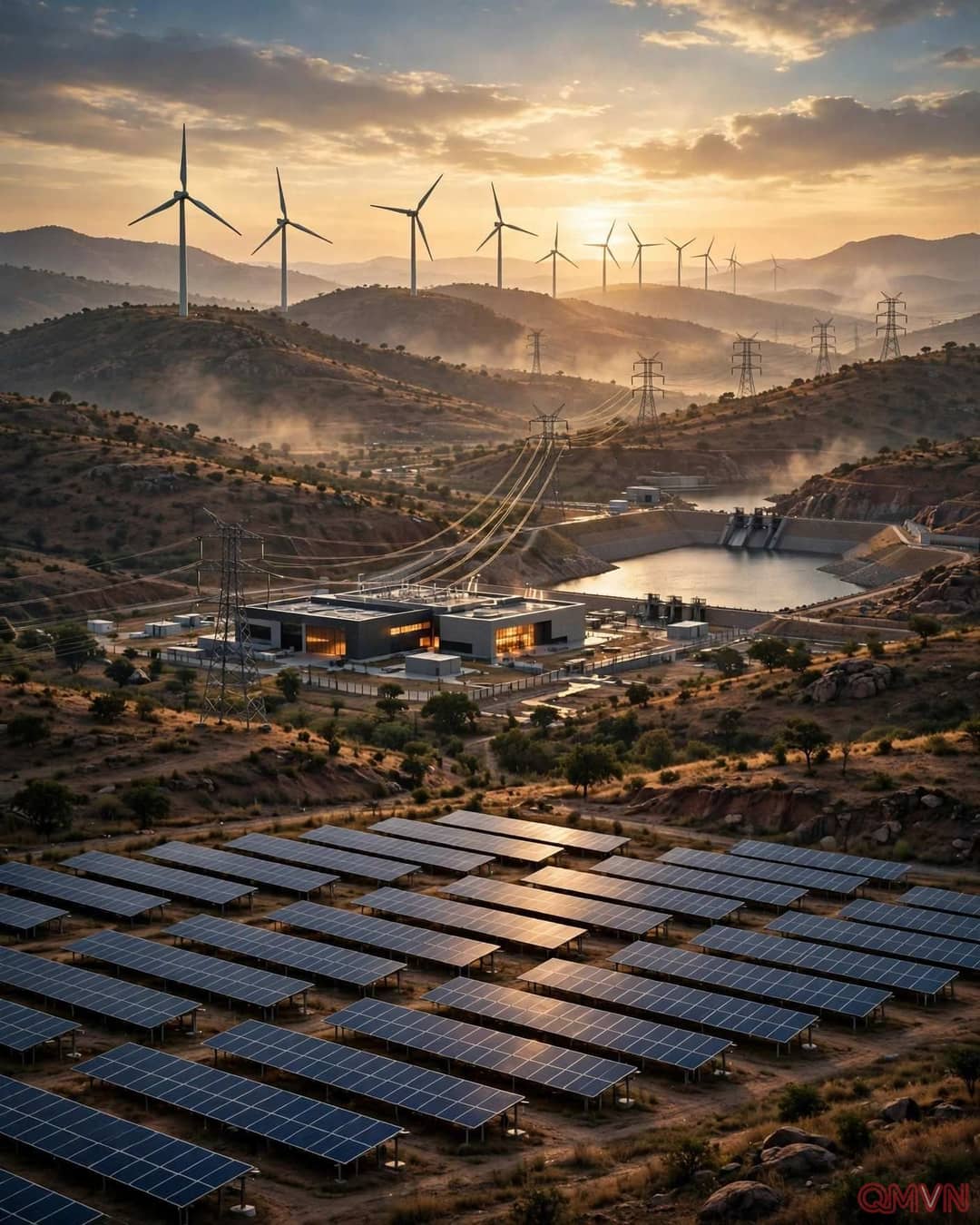
At first glance, the figures describe a conventional renewable build-out: 3 GW of wind and solar generation coupled with 1 GW of pumped hydro storage. Their significance lies in the intended customer. A 2 GW computing campus is not a typical office development; an AI facility must keep servers, networking systems and cooling equipment running continuously. Clean Max is proposing to develop the associated generation, storage and distribution infrastructure as one coordinated system.
Neysa, the Blackstone-backed AI cloud provider, is expected to anchor the Kurnool complex with 1 GW of computing capacity. That anchor commitment may help clarify demand for the wider project, although it does not by itself guarantee that every planned facility will be built or used at full capacity.
The companies’ roles also illustrate the growing overlap between energy and digital infrastructure. A cloud company can build computing services only if it secures electricity that is affordable, reliable and deliverable. Clean Max is positioning itself not simply as a seller of renewable power, but as a partner in the physical foundations of an AI economy.