When memory is wiped from the web
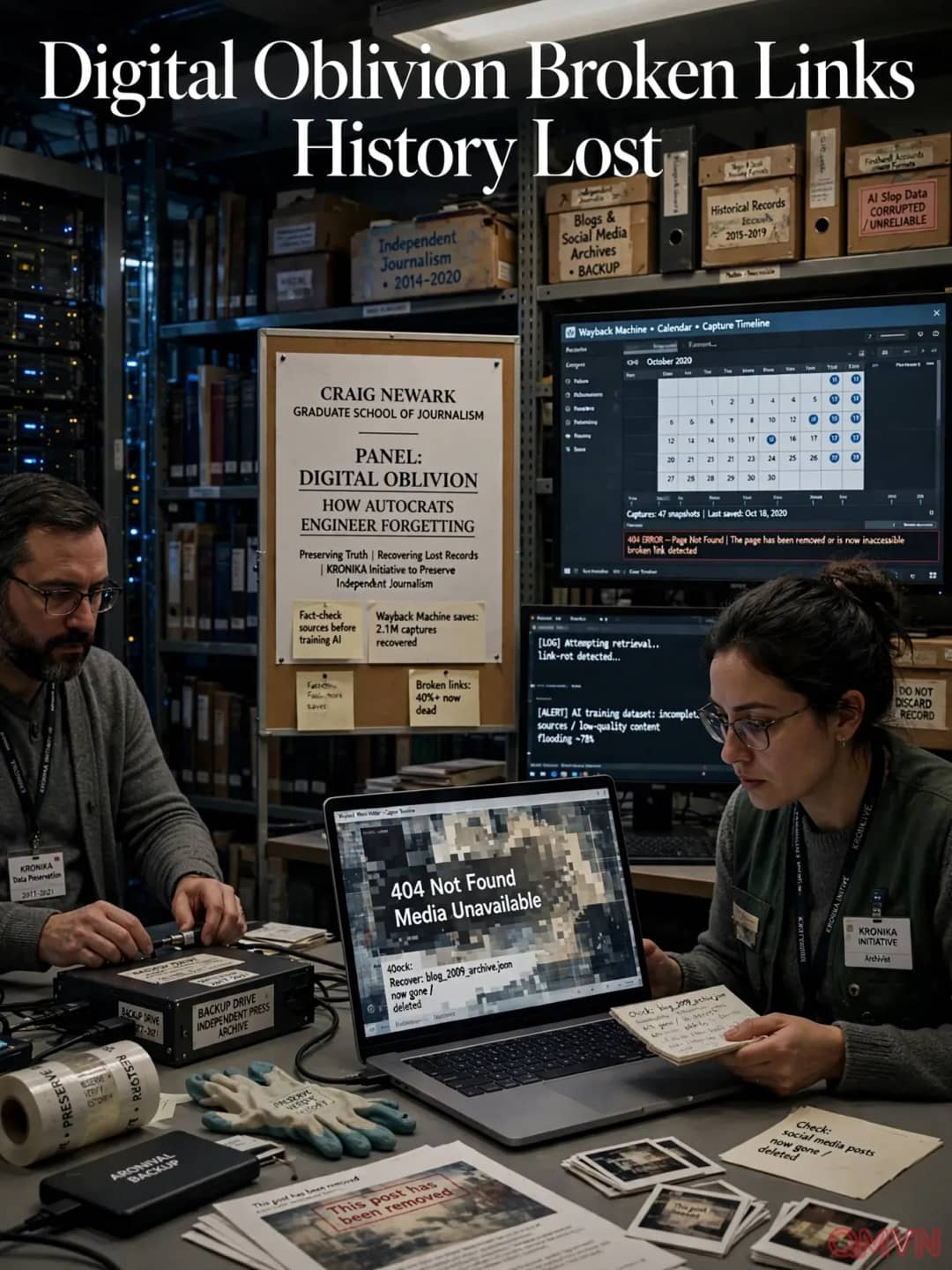
At a panel at the Craig Newmark Graduate School of Journalism at the City University of New York, experts described digital oblivion as a process broader than old-school censorship. It can mean a government or company deliberately removing a website or archive; the quiet disappearance of photos, blogs or social media posts; or simply broken links and obsolete formats that make records inaccessible.
Steven Feldstein of the Carnegie Endowment for International Peace said digital tools are consolidating what would once have been a more painstaking process. Autocrats who long relied on violence, intimidation and legal harassment now have digital weapons that make independent accounts harder to find, unsafe to publish or impossible to verify.
Contemporary autocratic politics is all about a ‘glorious past.’ The thing that needs to happen is the ‘past’ needs to be cleaned up.
Pages of history rewritten
M. Gessen, co-founder of Kronika, an initiative to preserve independent journalism, and other researchers cited several concrete examples: