MAIN CONTENT
A bridge from laboratories to practical use
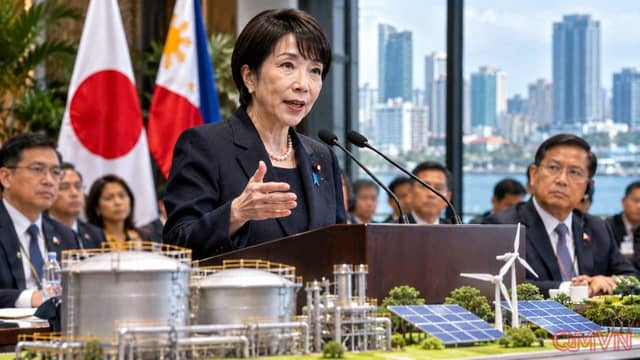
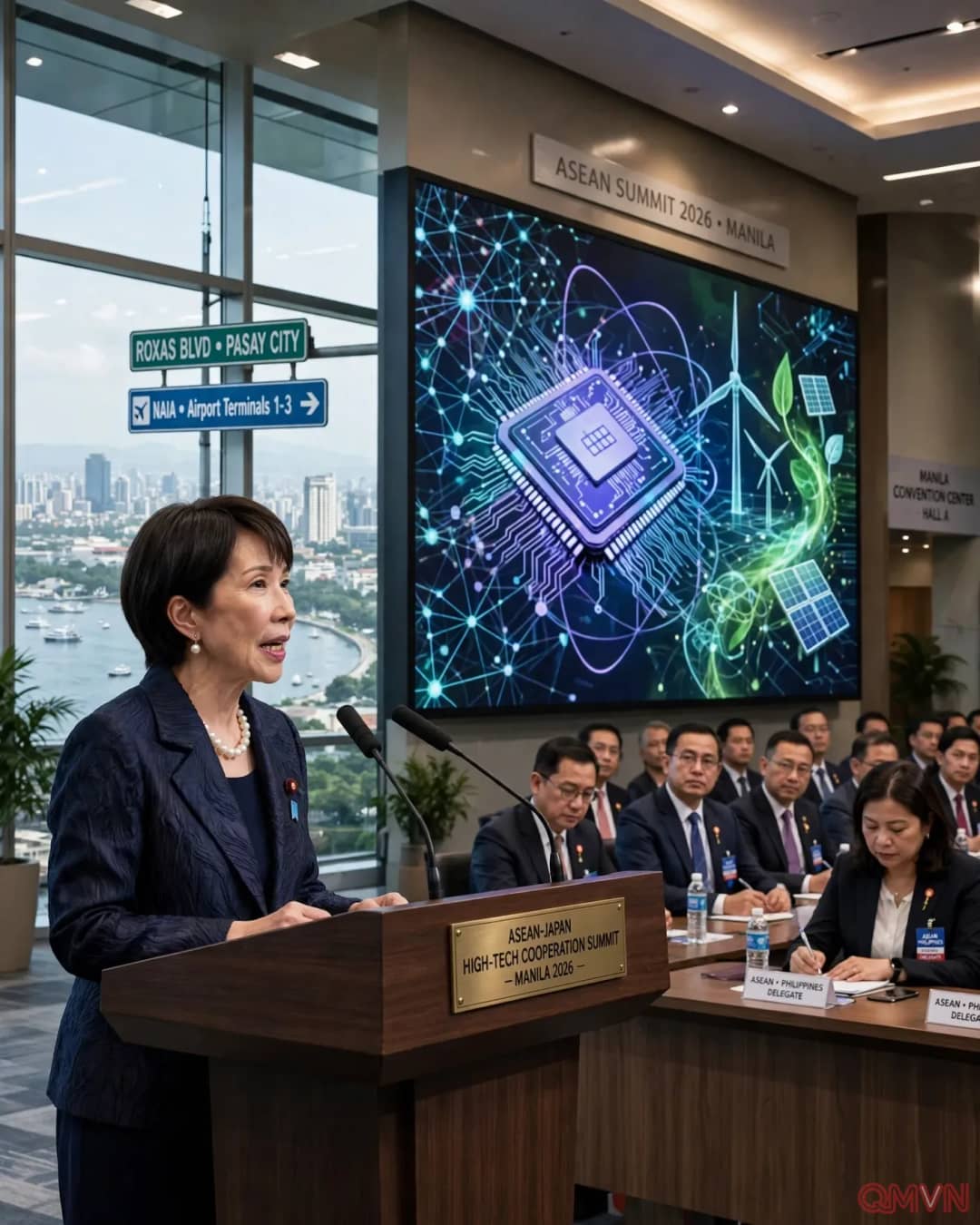
NHK reported on November 16 that Japanese officials were arranging for Takaichi to present the Bridge Asia Initiative at a summit in Manila. The purpose is not simply to assemble scientists around shared interests. It is to establish routes by which international research can evolve into products, services and practical responses to needs in industry, public infrastructure and energy systems.
The three focus areas sit at different stages of development. AI already supports business operations and public services; many quantum technologies require lengthy fundamental research and testing; decarbonization solutions often demand physical infrastructure and costly deployment. A credible initiative must therefore identify partners, viable projects and standards for evaluating progress.
ASEAN as a co-creator, not merely a customer
Southeast Asia offers large markets, varied industrial capabilities and practical challenges, from managing electricity grids to improving agricultural productivity. ASEAN institutions can contribute local knowledge, researchers, datasets and implementation experience. Such a role would make the region a contributor to innovation rather than simply a buyer of finished Japanese technologies.
Yet research capacity and investment resources vary widely among ASEAN members. Lasting cooperation needs provisions for skills development, intellectual-property arrangements, data protection, access to equipment and opportunities for smaller firms. If most gains accrue to a few established technology hubs, the language of shared prosperity will be difficult to sustain.
Energy provides an early test
The proposed initiative comes ahead of the Asia Zero Emission Community summit scheduled for November 17 in Manila. In a November 16 article, Takaichi said Japan would seek to develop the framework into “AZEC 2.0,” placing greater emphasis on economic and energy resilience.
Research policy and energy security are increasingly part of the same discussion.
AI tools for forecasting demand, new materials, industrial efficiency and emissions reduction may offer areas for collaboration. But an announcement alone does not deliver investment or verified carbon savings. Governments will need transparent budgets, implementation timetables and metrics, alongside safeguards for the communities affected by the technologies they adopt.
Cooperation in a competitive region
The strategic setting matters. China is strengthening its competitiveness across advanced technological fields, while Japan is looking to widen partnerships and preserve its research capabilities. A regional research platform can consequently serve commercial objectives and diversify supply chains and sources of expertise.
ASEAN members, however, have interests in maintaining ties to multiple technology powers. Working with Japan need not require a choice of sides across every geopolitical dispute. An open framework with fair rules, respect for national priorities and credible access for different participants would be more persuasive than competitive rhetoric alone.
The evidence will come after the summit
On November 6, Japan’s Foreign Ministry and the OECD convened a dialogue with Southeast Asian participants on economic security, including AI, quantum technology and investment. Japan and Australia also signed a quantum cooperation memorandum in July 2026. These steps provide policy foundations, but they do not mean that Bridge Asia has already been formally adopted.
What matters next will be funding announcements, cross-border research teams, training opportunities, pilot deployments and published outcomes. Takaichi’s subsequent visit to Shenzhen for the APEC meeting also situates the technology proposal within broader economic diplomacy. A bridge should ultimately be judged by the people and ideas it allows to cross, not the attractiveness of its name.