MAIN CONTENT
A network fault becomes a national aviation emergency
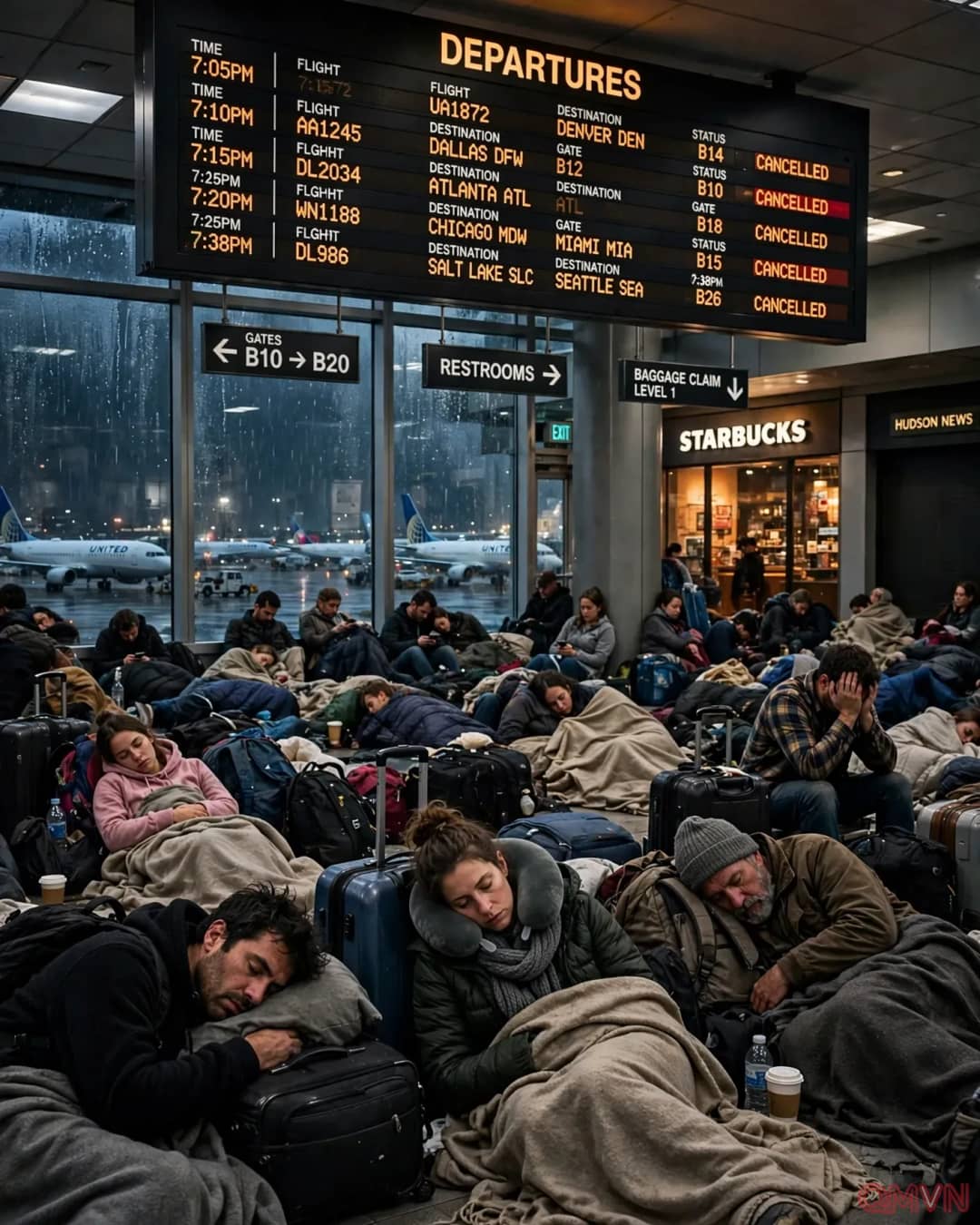
Around 3:30 p.m. Eastern on November 13, the FAA detected instability in the telecommunications network supporting air-traffic control. The agency ordered a nationwide ground stop as a safety precaution and resumed departures at 8:15 p.m., after isolating the disruption and observing system stability. Airborne aircraft continued receiving assistance from controllers and landed safely.
The FAA said the network experienced bursts of about 1,000 connection attempts every four to five seconds, affecting communications and radar feeds at 17 of its 22 en-route control centers. An early investigation identified possible sources in Texas and Arkansas. Contractor L3Harris had been installing a router at the Arkansas communications site. Officials have not established whether the root cause was a device defect or installation and configuration errors.
Why reopening the skies did not restore the schedules
The disruption outlasted the formal order because an airline timetable is an interlocking system. Aircraft must reach their next departure points, flight attendants and pilots must comply with duty and rest limits, maintenance slots must be available, and connecting passengers must arrive in time.