MAIN STORY
A disagreement over a decade of weak growth
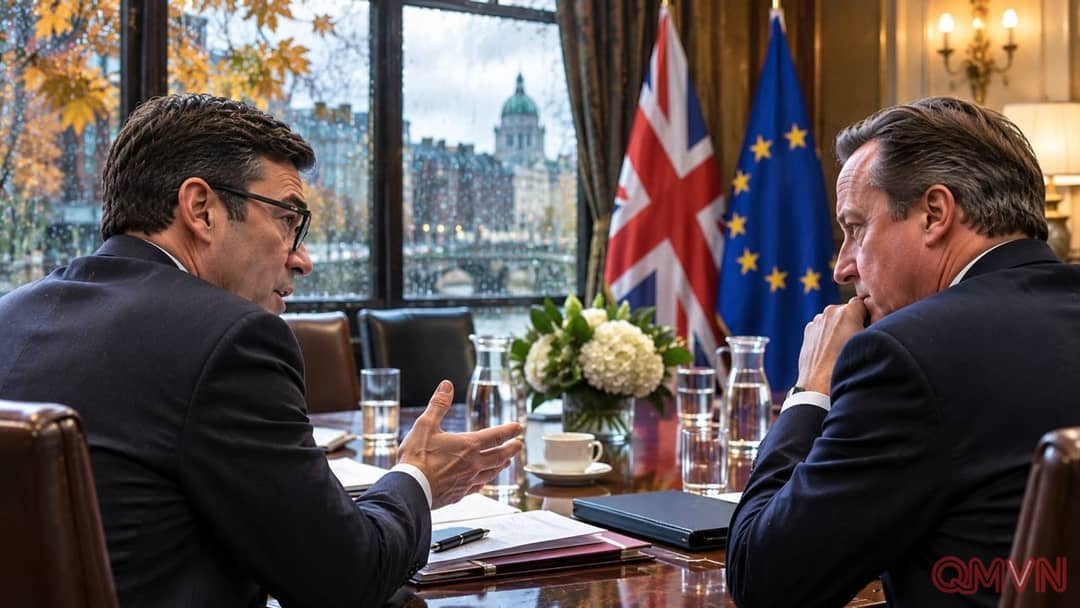
At the European Political Community gathering in Ireland on November 12, Burnham disputed Cameron’s contention that the country’s economic troubles had nothing to do with Brexit. He said Treasury analysis pointed to economic costs associated with withdrawal. His case was not that every difficulty stemmed from leaving the EU, but that removing trade barriers and rebuilding cooperation could improve the outlook for investment and productivity.
Cameron, who campaigned to remain in the bloc before the 2016 vote, has a different diagnosis. He cites excessive spending, borrowing, taxation and regulation, alongside pressures involving welfare, as more immediate obstacles. In his view, attempting to rejoin would revive an exhausting political battle and might distract from domestic reforms. The clash reveals the difficulty of disentangling Brexit from other forces shaping Britain’s economy.
The Brussels agenda: measurable gains rather than slogans
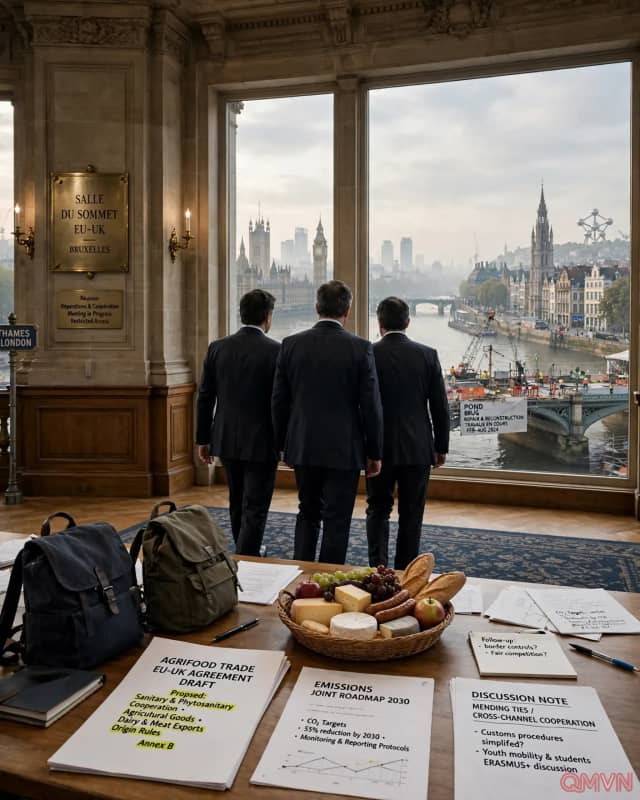
Burnham’s immediate test is not another membership referendum but a package that citizens and businesses can use. Proposals under discussion would reduce administrative checks on food and drink trade, coordinate carbon-pricing regimes and open a route for structured youth exchanges.