MAIN ARTICLE
Why the permitting clock matters
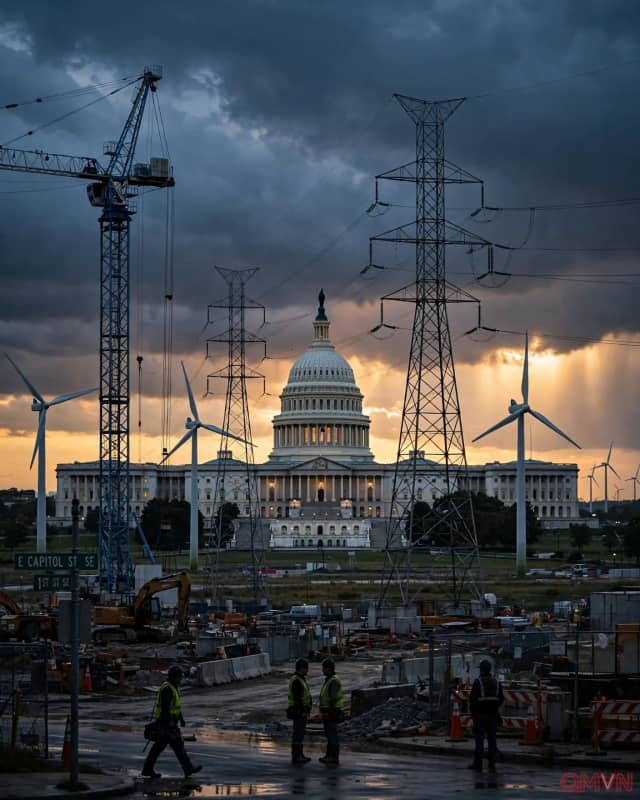
America's energy challenge is not simply producing enough electricity. New transmission lines must connect generation sites to consumers, while regulators examine ecological damage, public rights and the interests of communities along a project's route. Supporters of reform argue that overlapping reviews and uncertain litigation schedules make projects expensive before construction begins.
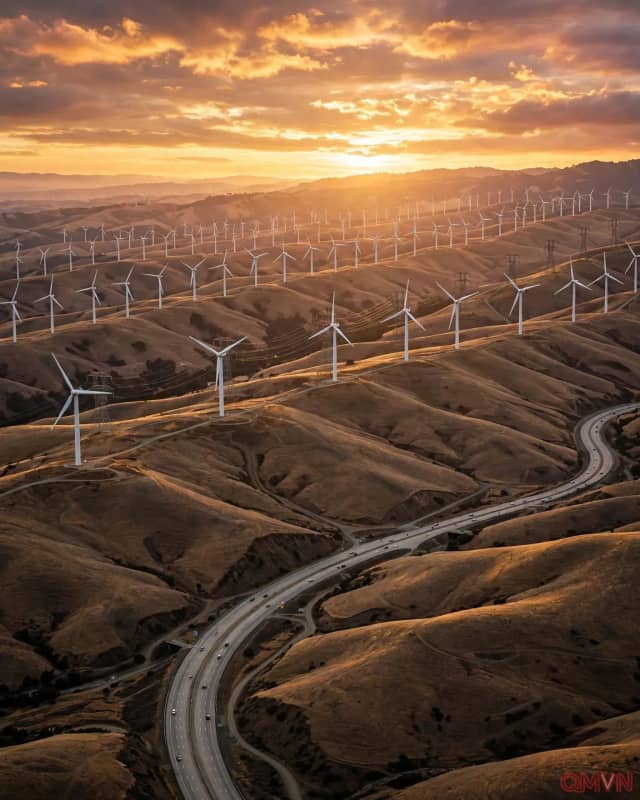
The SunZia transmission project, linking wind resources in New Mexico with markets to the west, illustrates the patience required: its development stretched across roughly two decades. One project cannot stand for an entire permitting system, yet it helps explain why lawmakers from both parties now see delay as an economic and climate problem.
What the legislation would change
The roughly 400-page proposal would set deadlines for many environmental reviews, encourage federal agencies to coordinate decisions and create more transparent tracking of authorisations. Its stated goal for major reviews is about two years, compared with a reported average exceeding four years. A deadline, however, cannot guarantee that an agency has sufficient staff or good-quality information to reach a sound decision.