A promise from Marseille
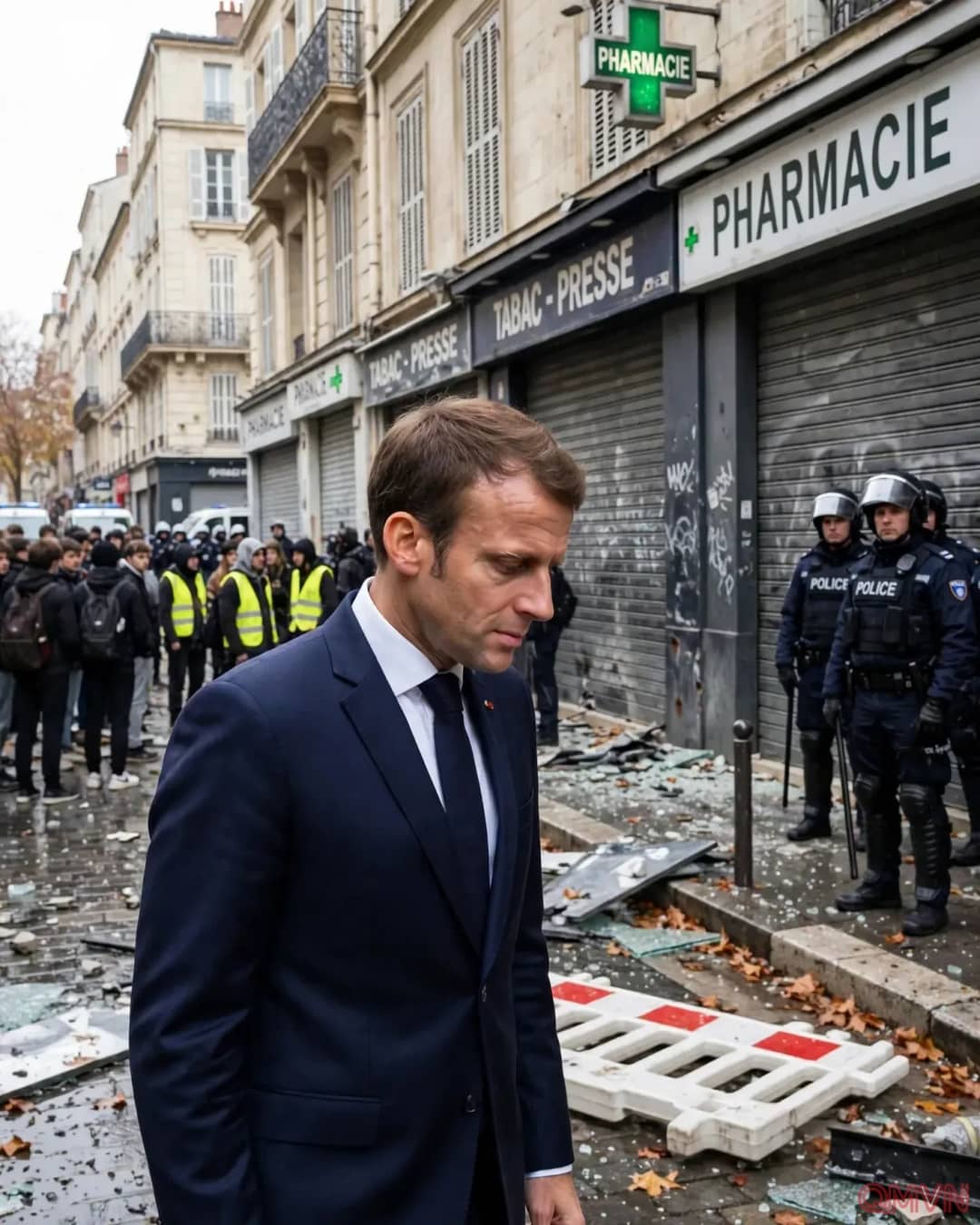
Macron travelled to Marseille, the city hit hardest during Saturday's protests, to inspect the damage himself. There, he said he had asked the government to respond to the legitimate demands at the root of this social movement. The president also echoed Interior Minister Laurent Nuñez's warning that more unrest could come next weekend.
Respond to the legitimate demands that lie at the root of this social movement.
What are students demanding?
The movement began in high schools before spreading across society. Protesters' main demands include:
- More resources for education, from teaching staff to school facilities.
- An overhaul of the university admissions process, which students say entrenches inequality.
- Curbs on the cost of living, especially fuel prices.
- Protection and improvement of public services.
Prime Minister Sébastien Lecornu was due to hold a news conference after meeting high school student unions, following a nationwide consultation with students. It is seen as a first test of whether the government is truly listening.
Security remains on a knife-edge
On Saturday, October 24, the interior ministry deployed 70,000 police for union-called protests. According to Nuñez, 1,435 people were arrested nationwide, and police recorded a new phenomenon: organised far-right groups appearing in Nice, Montpellier and other cities to confront the far left, officially to "defend businesses".
Government spokeswoman Maud Bregeon insisted the state had held firm, but acknowledged that protesters had legitimate grievances and said calm was a prerequisite for any negotiations.
Tight finances, little room for concessions
Unlike in earlier crises, Macron now has very few financial tools to defuse the situation. His term ends in spring 2027, and public finances are under severe strain. Meanwhile, the economic damage keeps spreading: according to Alain Di Crescenzo, head of the CCI France network of chambers of commerce, many shops have stayed closed as a precaution since the violence of October 17, causing sales to drop by about 80% and leaving shopkeepers demoralised.