MAIN CONTENT
A night of alarms in two Russian cities
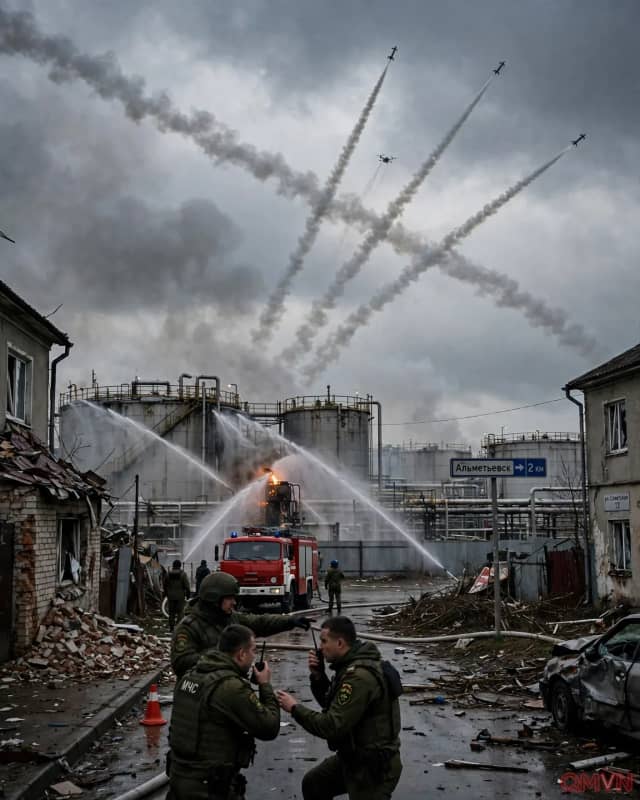
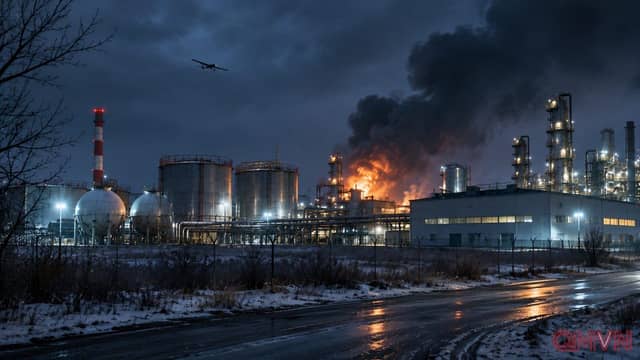
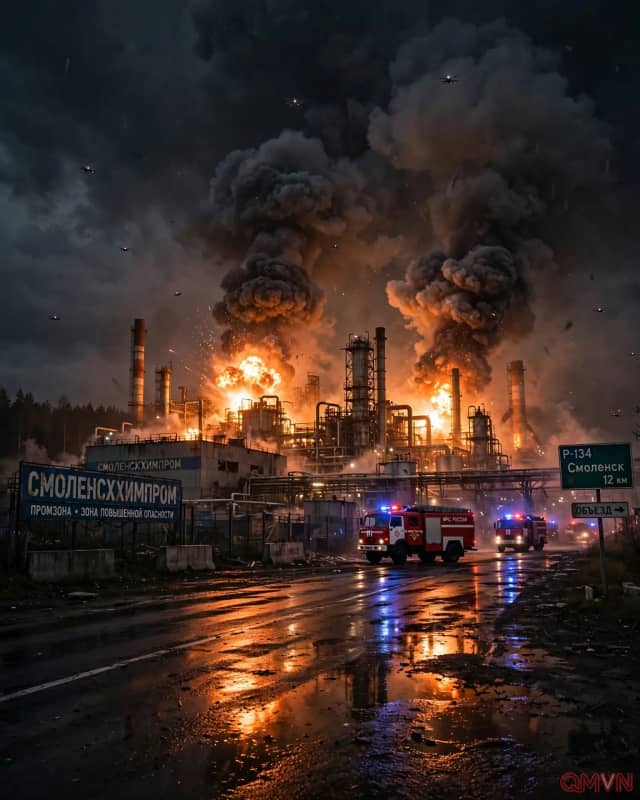
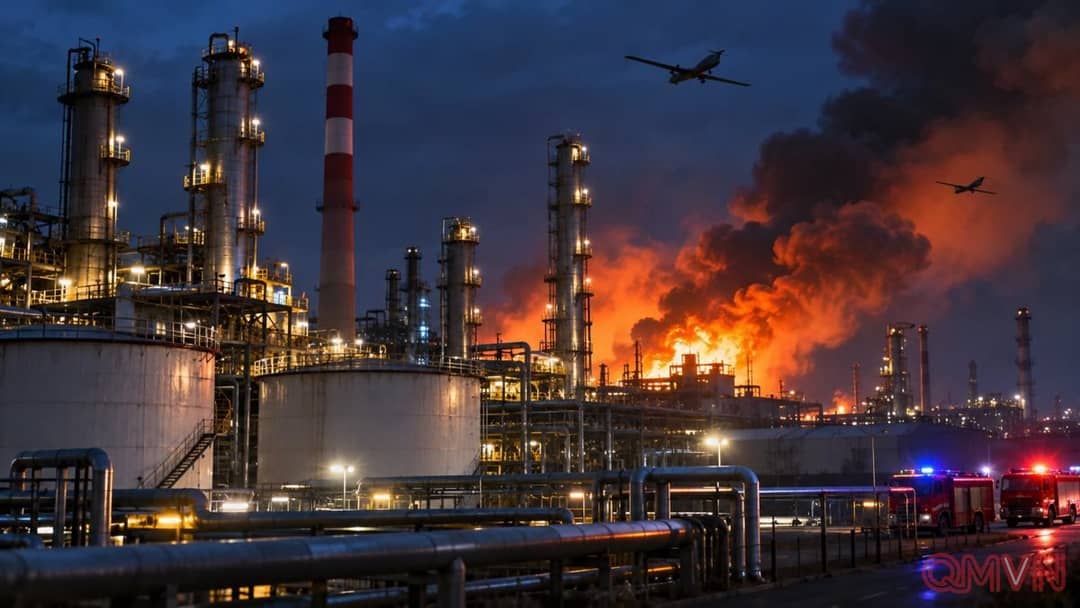
In Volgograd, Russian authorities said air defenses confronted a major drone attack before fires were reported in the southern industrial area. Videos posted by the Ukrainian monitoring channels Exilenova+ and Supernova+ showed bright flames and apparent explosions during the night. Independent confirmation of their precise location, timing and complete circumstances remained limited. A striking image cannot, on its own, establish that a refinery was destroyed or that all operations have stopped.
In Rostov-on-Don, governor Yury Slyusar acknowledged fires at a production site and a warehouse. He also reported damage to residential property from falling drone debris. Both cities occupy important positions in southern Russia’s industrial and logistics network. The attacks therefore raise two distinct challenges for local officials: protecting economically sensitive facilities and safeguarding nearby civilians who may be endangered even when a drone is intercepted.
Why refining capacity matters
Ukraine’s armed forces describe the Lukoil-owned Volgograd refinery as having design capacity of roughly 15 million metric tons of crude annually, producing gasoline, diesel and aviation fuel. Design capacity is not the same as the volume actually processed on the night of an attack.