MAIN STORY
Two policy moves, distinct pressures
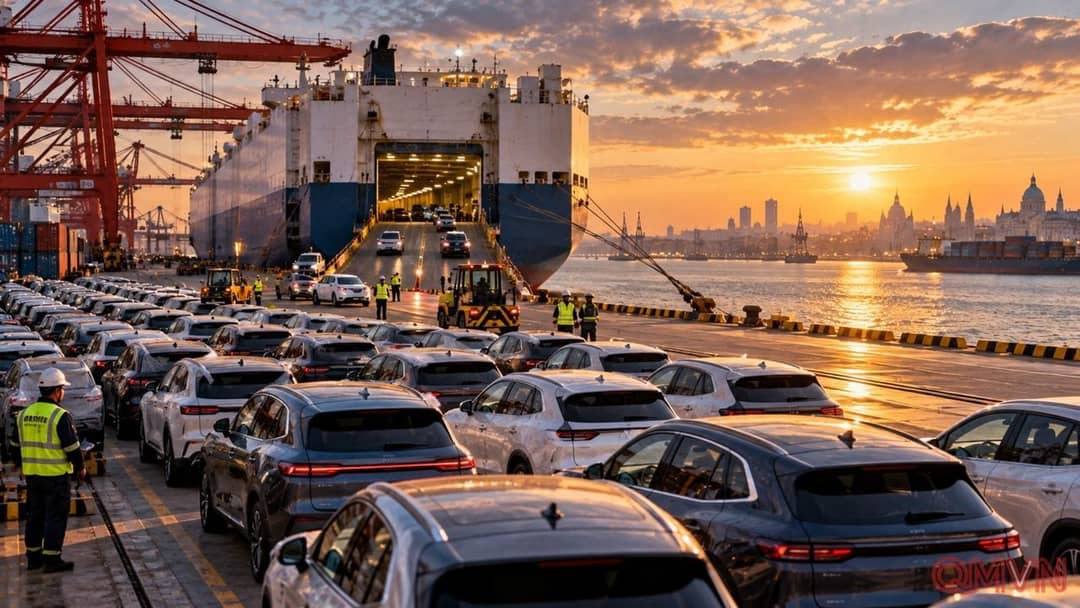
The first change stems from negotiations between Brussels and Beijing. Reporting by The Wall Street Journal, AP and others describes an initial annual limit of approximately 350,000 China-built hybrid vehicles, rising by about 6% a year. This is a preliminary trade understanding, not a completed regulatory process: AP reports that endorsement by EU member countries remains necessary. Nevertheless, if adopted on those terms, the cap would substantially constrain a fast-growing export channel for Chinese automakers.
The second change originates in China itself. Its Finance Ministry and tax authority say the value-added-tax rebate on new-energy vehicle exports will fall four percentage points on April 1, 2027. The new-energy category encompasses battery-electric and plug-in hybrid cars, whereas the reported EU import cap focuses on hybrids. Because the measures do not precisely overlap, individual manufacturers will feel different effects depending on where their cars are built, what technology they use and which markets they serve.
Export volume is not the same as profit
Years of fierce price competition at home have prompted Chinese automakers to pursue more attractive margins overseas. But the profitability of exported cars is not simply the difference between showroom prices and factory costs.