Belarus bars some goods from Latvia as tensions on the EU’s eastern border spill onto the trade front
LEDE
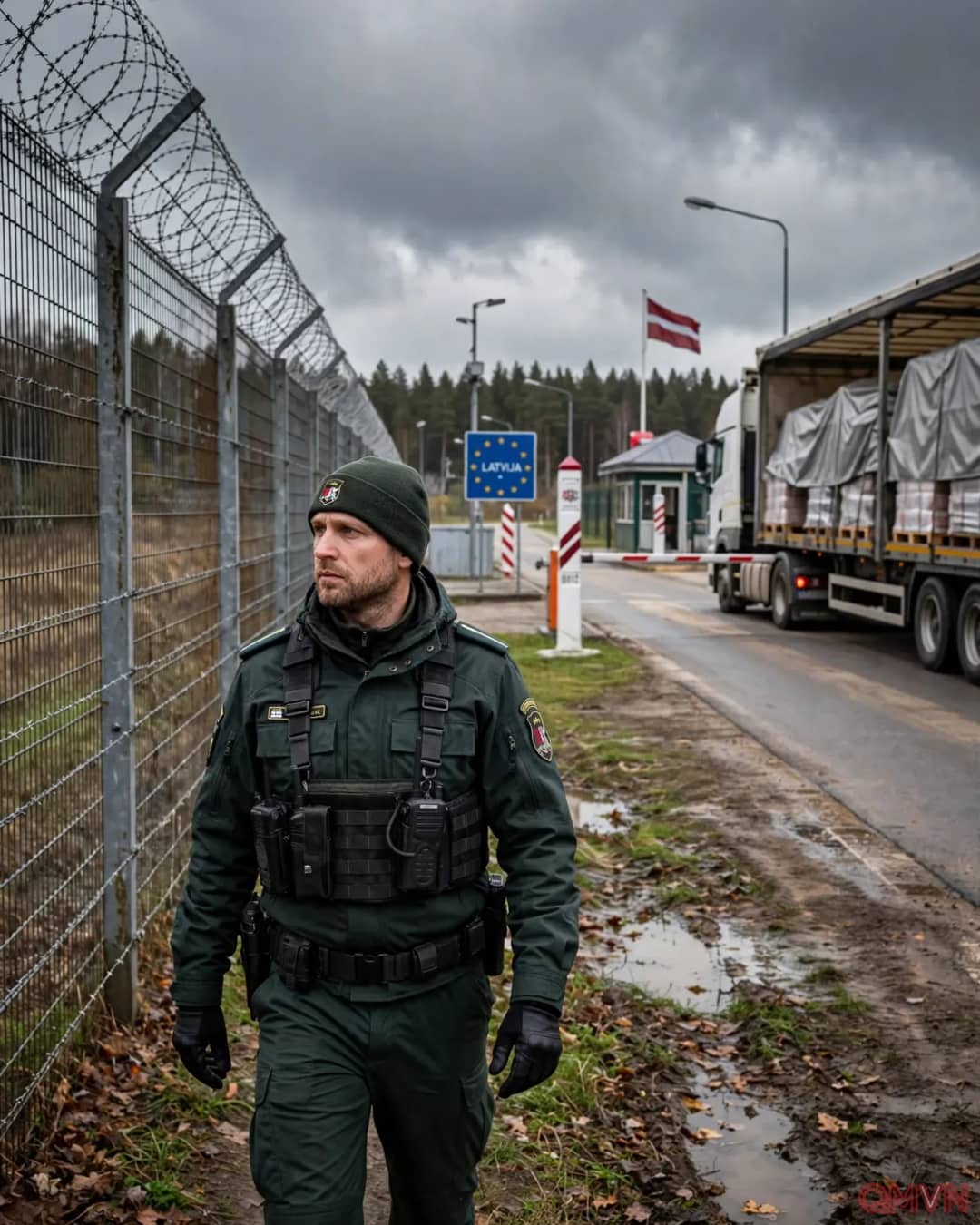
On October 19, Belarus – one of Russia’s closest allies – said it was barring the entry of a number of goods from neighbouring Latvia, including canned fish and various industrial products, citing the Baltic state’s “unfriendly” relations. The decision comes nearly three months after Latvia closed its border with Belarus at the end of July, amid a surge in illegal migrant crossings from Belarusian territory. Riga accuses Minsk of waging a “hybrid war” by pushing migrants towards the European Union’s border, a charge Belarus firmly denies. The new move shows the confrontation between Minsk and the Baltic states is no longer confined to border fences but has spread to the economy, as Belarus remains under Western sanctions over human rights abuses and its role in the war in Ukraine.
Edite QUANG MINH·2 min read · 3 min listen·19 October 2026, 22:04 EDT·
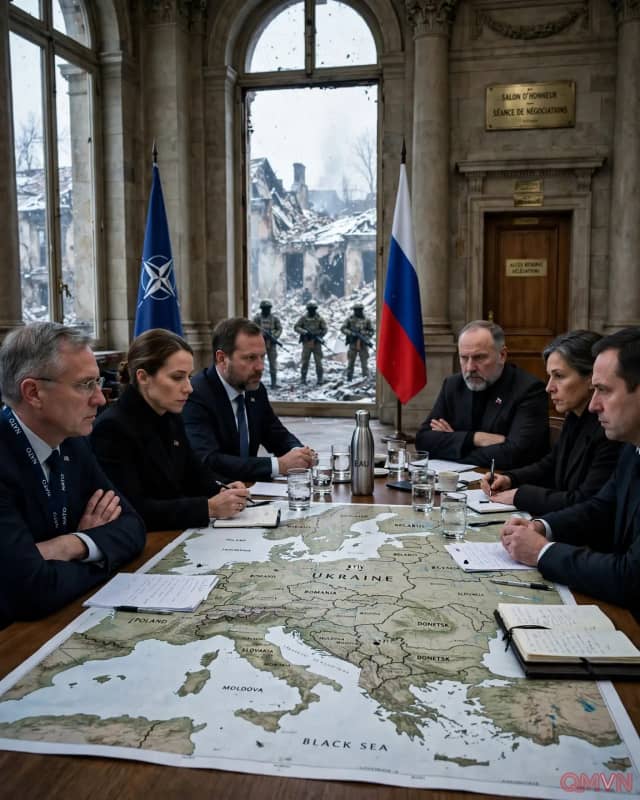
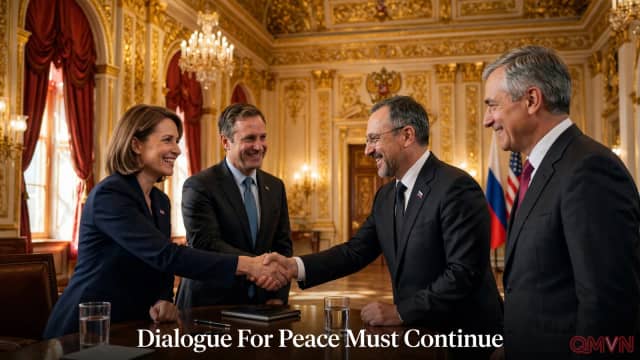
AI-generated illustration
MAIN CONTENT
A ban with a political message
According to state news agency Belta, the Belarusian government imposed the ban on a range of Latvian products. The decision text makes clear its reasoning is more political than economic.
Advertisement300 × 250
*“This decision was taken in connection with the Latvian side maintaining an unconstructive approach and unfriendly rhetoric in relation to Belarus.” — Belarusian government decision*
The banned list includes canned fish – a traditional Latvian export – as well as various industrial goods. Although trade between the two countries has fallen sharply in recent years, the ban carries symbolic weight as a direct retaliation.
A border closed by a migrant surge
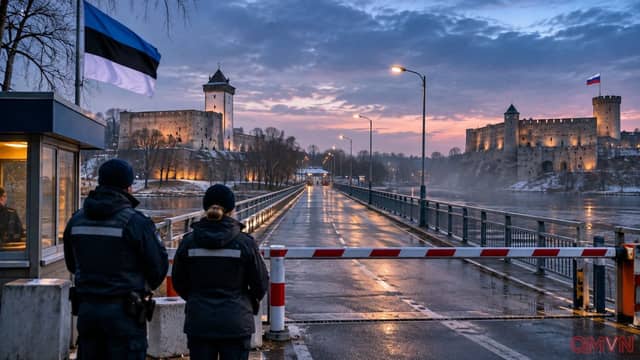
Tensions escalated this summer as the number of migrants trying to cross illegally from Belarus into Latvia rose sharply. On July 31, Latvian Interior Minister Jānis Dombrava announced the closure of the last operating border crossing between the two countries, officially citing “technical reasons”.
On July 1, Latvia recorded a record 232 migrants attempting to cross in a single day.
Since the start of 2026, Latvian border guards have stopped more than 9,000 illegal crossing attempts.
Latvia extended its enhanced border security regime until December 31, 2026.
Latvian officials say they have gathered evidence of Belarusian security forces’ involvement in organising illegal migration, including communication devices seized from migrants and images of transport in military vehicles. Belarus denies colluding with or encouraging migrants to cross into the EU.
Two views of one crisis
For Latvia and neighbours such as Lithuania and Poland, these migration waves are a form of “hybrid warfare” aimed at pressuring and dividing the European Union. Guntis Pujats, head of Latvia’s State Border Guard, has said his country has become the main target of that war.
Minsk, for its part, views Riga’s border closures and tough rhetoric as hostile acts, and the import ban as a proportionate response. Caught between these opposing arguments, border residents – from truck drivers to families with relatives on both sides – bear the most direct losses.
BACKGROUND OF THE EVENT.
The story begins in 2021, when thousands of migrants from the Middle East suddenly arrived at Belarus’s borders with Poland, Lithuania and Latvia. The EU accused President Alexander Lukashenko – in power since 1994 – of “weaponising” migrants in retaliation for sanctions imposed after the disputed 2020 election and the crackdown on the opposition. Since then, the Baltic states and Poland have repeatedly built fences and tightened border controls.
In 2022, Lukashenko allowed Russia to use Belarusian territory to launch its invasion of Ukraine, though he declined to commit troops, bringing further Western sanctions. The crux is that Belarus is increasingly dependent on Russia, while its border with the EU has become a front line of East-West confrontation, where both migrants and trade are turned into instruments of pressure.
KEY LESSONS FROM THE ARTICLE
When a border becomes a front line, both goods and people can be turned into weapons.
Closing a door may secure today, but it also shuts out tomorrow’s opportunities.
Border communities are often the first to pay for any confrontation between governments.
Subscribe to the QMVN newsletter
A daily morning digest - only stories worth reading, no spam.