MAIN ARTICLE
Returning to the place where a life was cut short
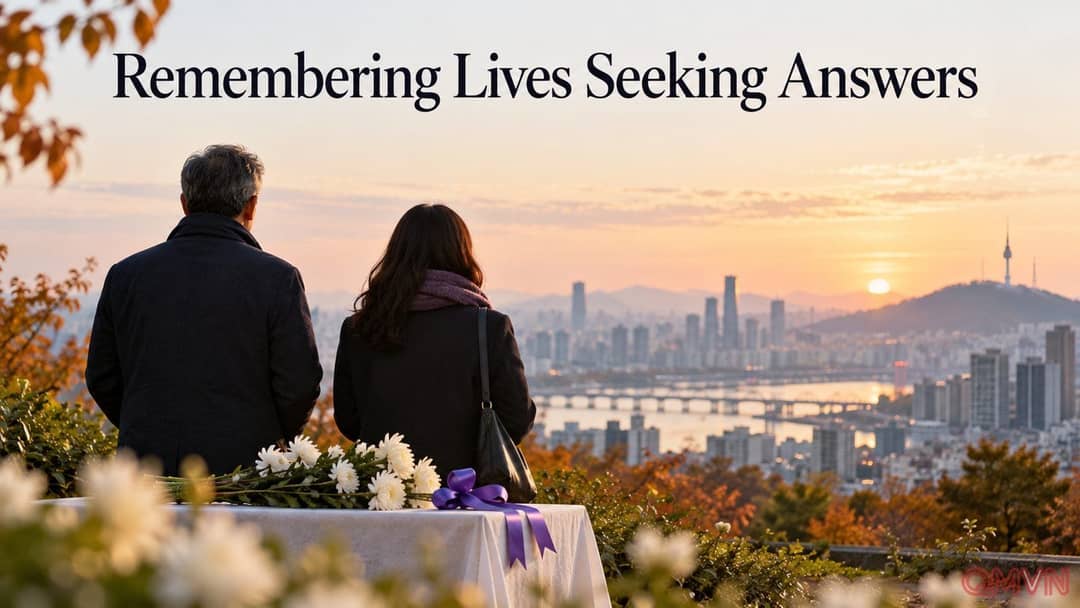
Grace Rached, an Australian travelling in South Korea with friends, was 23 when she died in the Itaewon crowd crush on October 29, 2022. Four years later, her father told The Korea Herald that pain and sleepless nights remained part of his life. The family returned to Seoul for remembrance, carrying a loss that cannot be reduced to the number of years since it occurred. A date on a public calendar measures something different from a parent’s experience.
The disaster killed 159 people. On October 24, thirty-five relatives from ten countries joined a march from the alley where it happened towards Seoul City Hall, wearing purple jackets in remembrance. Their presence shows the international reach of this gathering, without implying that every overseas bereaved family attended or shares an identical experience. Within the collective demand for answers are different relationships, languages and circumstances that should remain visible when the event is described.
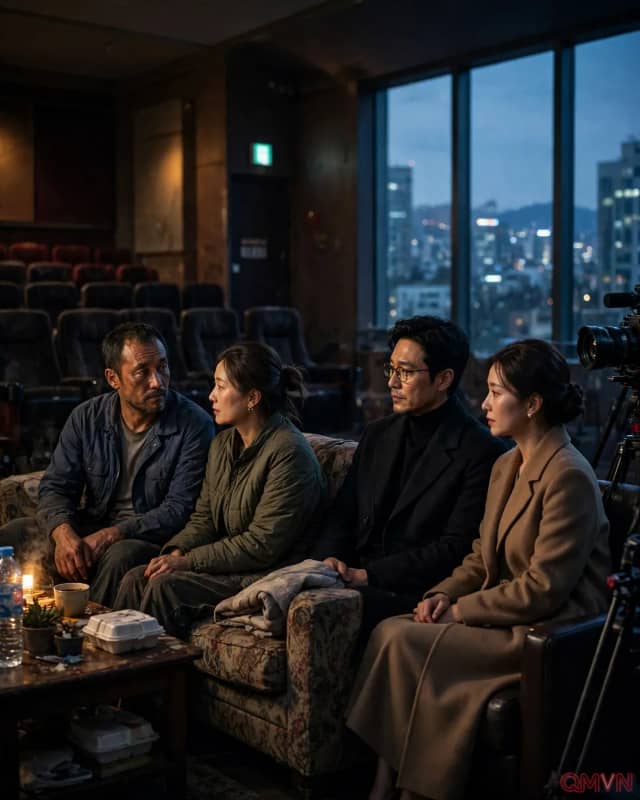
A return visit can offer contact with people who understand a similar loss without making the journey easy. Places once associated with travel, study or work are now also connected to questions about a death. Reporting those journeys should preserve the identities and lives of those who died, rather than using them only as illustrations of a debate over responsibility. The continuing inquiry matters partly because it concerns people whose lives extended far beyond the circumstances of their final night.