MAIN TEXT
The seal whose journey went dark
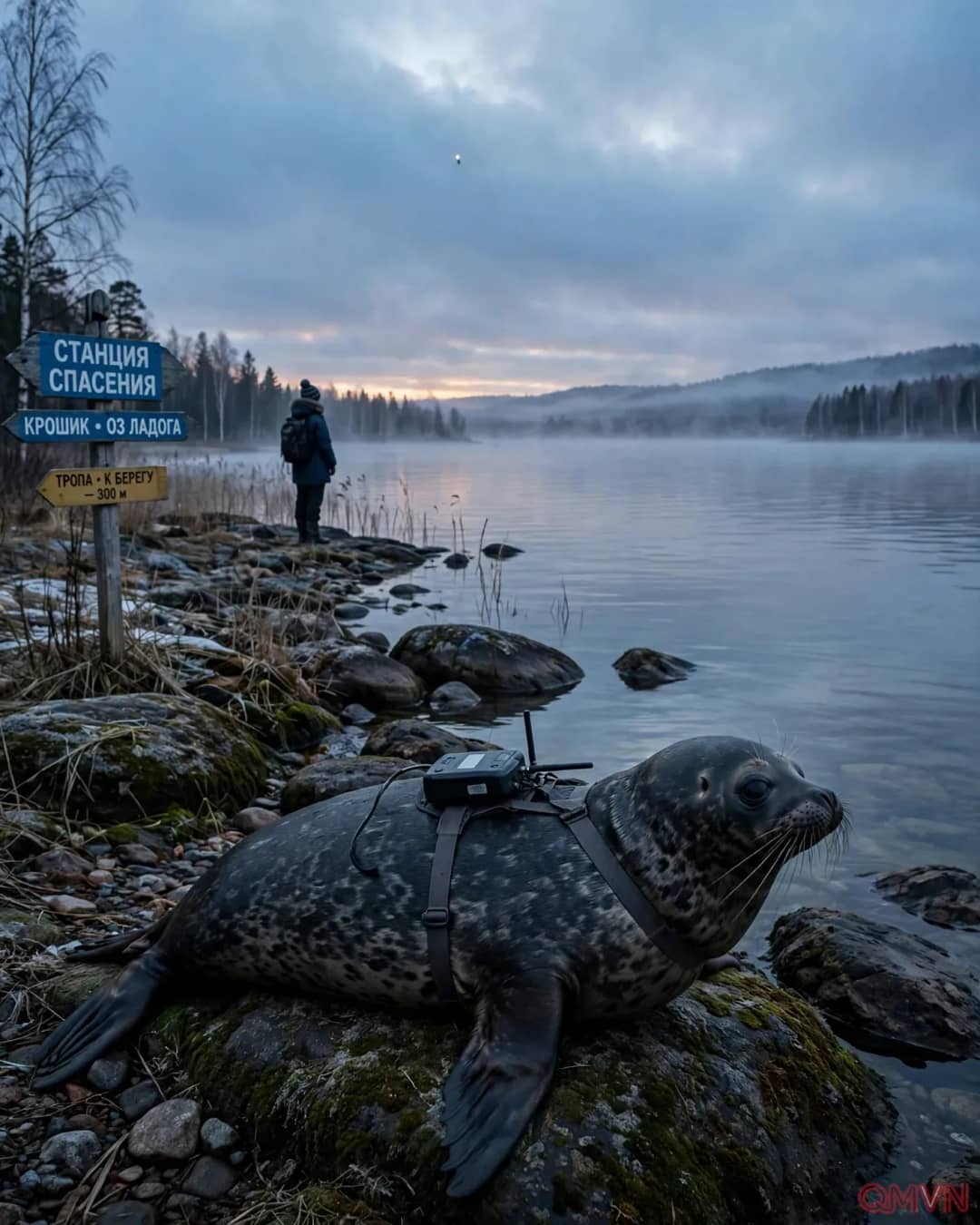
Kroshik, a ringed seal whose name means Little Crumb, spent nearly a decade in the care of a rescue group near St Petersburg. Previous releases ended when the animal returned to its carers. In September 2026, it finally resumed life in the wild on Lake Ladoga. A lightweight transmitter attached to its fur allowed conservationists to follow its movements between fishing grounds and safer waters, offering an unusually intimate view of a rehabilitation effort.
The journey attracted thousands of followers. Local Russian reporting said Kroshik travelled roughly 150 kilometres in the first three days after release. Then the locations stopped appearing. Conservationist Vyacheslav Alexeyev told Reuters that updates about the seal’s adventures could no longer continue. An essential distinction matters: the disappearance of a location feed is not evidence that Kroshik died or that its transmitter necessarily failed. Access to the service that delivers the information has been suspended.
Why a satellite signal matters for conservation
Argos receives signals from devices operating far beyond mobile telephone coverage. Researchers have relied on it to follow seasonal movements, locate feeding and breeding areas and identify risks involving fishing activity, vessels and changing habitats.