MAIN CONTENT
A four-hour shutdown with a multi-day aftermath
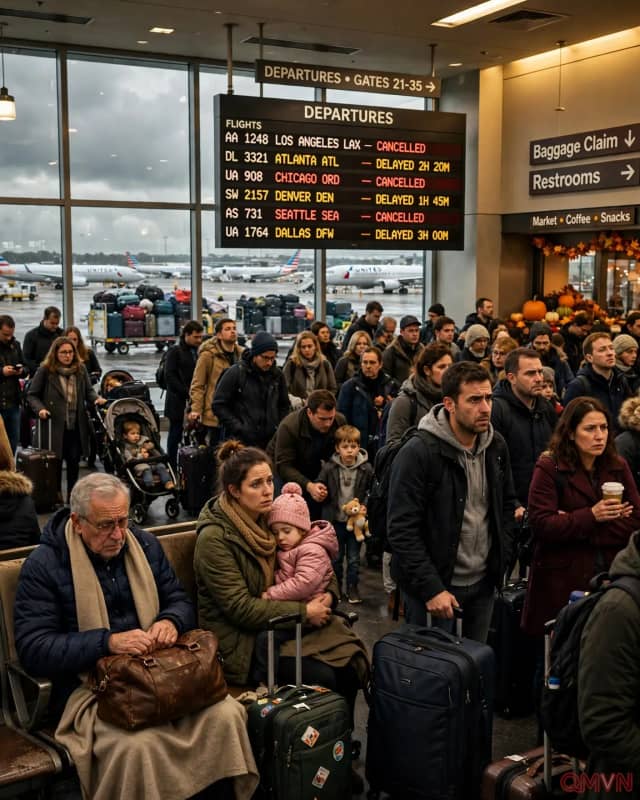
At about 3:30 p.m. Eastern on November 13, the FAA ordered a nationwide ground stop because anomalies threatened the stability of communications between controllers and pilots and affected radar feeds. Departures resumed at 8:15 p.m., after officials isolated suspect network components and watched for stability. The decision was precautionary; it did not mean aircraft already flying had become uncontrollable.
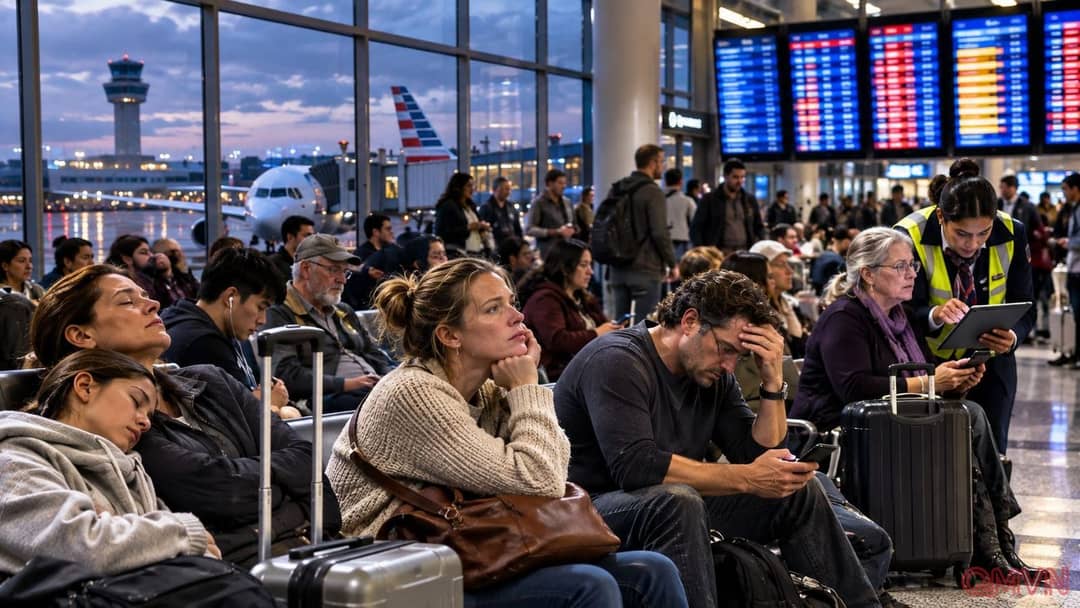
Reopening the skies, however, could not immediately put aircraft and crews back in position. Cirium figures cited by The New York Times put Friday cancellations at roughly 9,000, followed by 6,649 Saturday. By Sunday afternoon its cumulative total had exceeded 17,000. Reuters, using FlightAware, separately reported more than 2,300 cancellations and 7,700 delays on Sunday. The figures reflect different tracking methods and reporting cutoffs rather than a single uniform count.
How a remote router strained a national network
The FAA said its legacy telecommunications network was flooded by around 1,000 connection attempts every four to five seconds. Investigators identified two possible originating sites: a radar facility in Amarillo, Texas, and a radio communications facility in El Dorado, Arkansas.