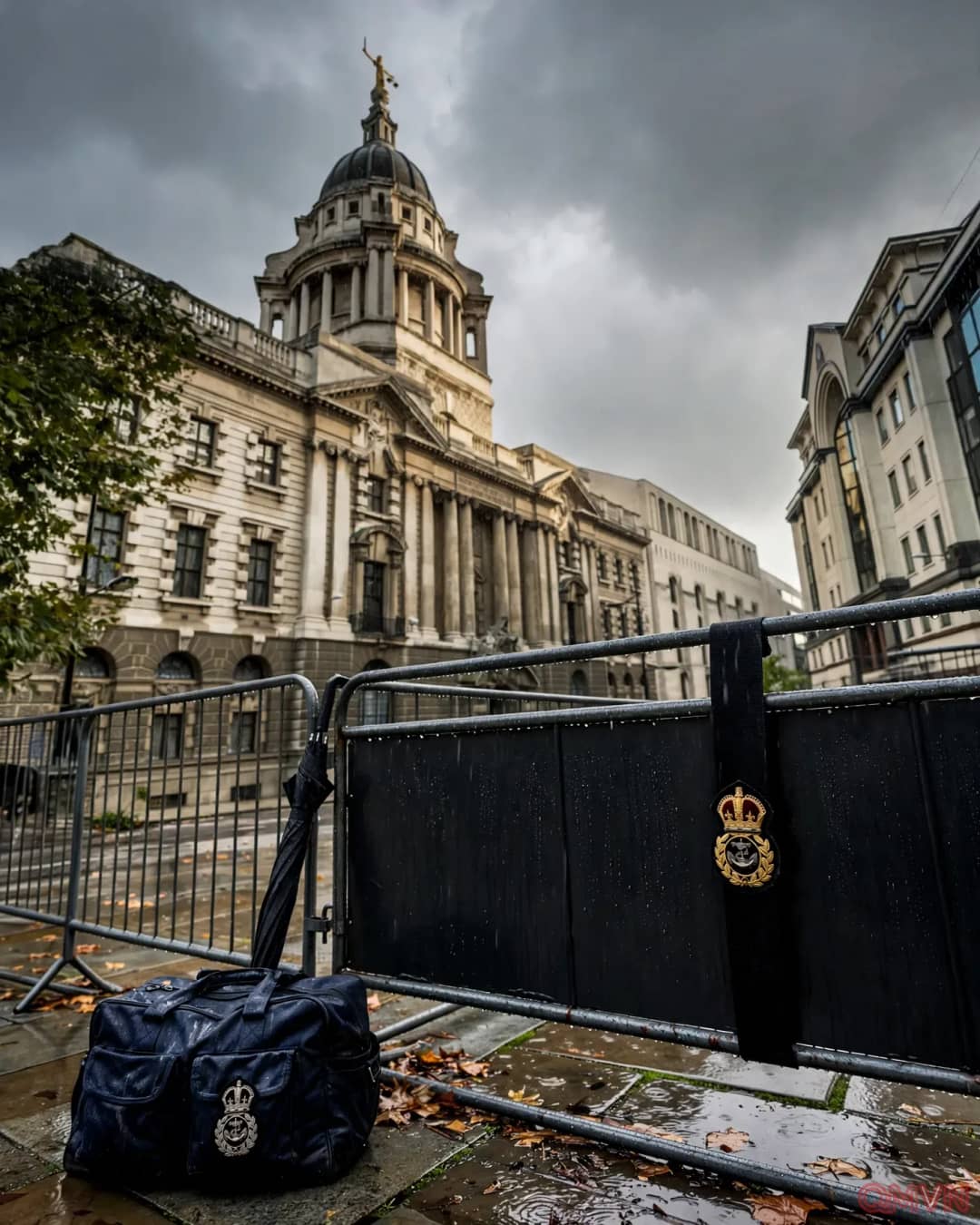
Old Bailey Court Appearance and State Espionage Charges
Appearing via secure video link from high-security Belmarsh prison, Royal Navy sailor Teddy Young attended preliminary proceedings at London's Central Criminal Court. Crown prosecutor Kelly Brocklehurst laid out a severe five-count indictment against the junior serviceman, comprising two distinct offenses under the National Security Act and an additional count of misconduct in public office.
Prosecution filings allege that between November 2024 and May 2025, Young unlawfully obtained, copied, recorded, or retained sensitive protected official documents. British counter-espionage investigators revealed that the defendant exhibited sustained digital interest in specialized web infrastructure maintained directly by Moscow's premier overseas clandestine agency, the SVR.
The website that he appears to have taken a particular interest in is the foreign intelligence service of Russia, the SVR.
Warfare Intelligence Clearance and Statutory Timelines
The strategic gravity of the allegations stems fundamentally from Young's operational posting within the senior service. Crown attorneys previously disclosed that the 24-year-old sailor occupied an operational posting explicitly tied to warfare intelligence, giving him authorized access to sensitive maritime tactical assessments and mission planning datasets.
Confronted by grave statutory penalties upon conviction, the defendant entered no formal plea during Friday's hearing. Judicial authorities provisionally fixed his formal trial commencement for October 2027, remanding the serviceman into continued high-security custody pending extensive evidentiary preparations.
Teddy Young is charged with having obtained, copied, recorded or retained protected information while serving in naval intelligence roles.
Internal Security Scrutiny and Independent Base Probes
National counter-terrorism police commands clarified that the formal prosecution of Young remains strictly detached from an ongoing, separate security investigation concerning an incident at the RAF Fairford airbase, a strategic facility from which American long-range bombers previously executed overseas sorties.
The prosecution highlights the urgent imperative across Western defense establishments to modernize internal vetting protocols. As hostile foreign intelligence organs transition from physical espionage handlers toward opportunistic digital recruiting portals, insider threats among junior technical personnel represent an acute operational vulnerability for allied forces.
Police confirmed that the charges brought against Teddy Young are not connected to the recent ongoing inquiry at the RAF Fairford base.