MAIN ARTICLE
A historic table, a cautious declaration
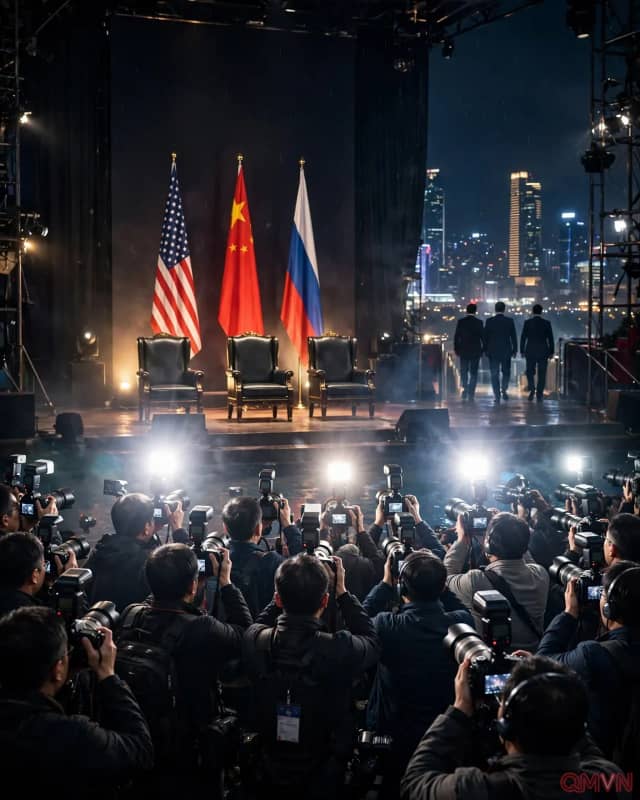
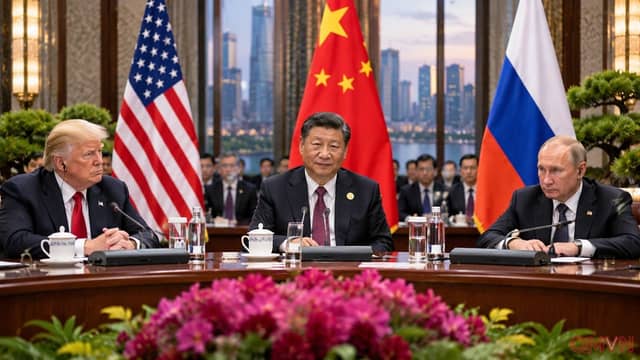
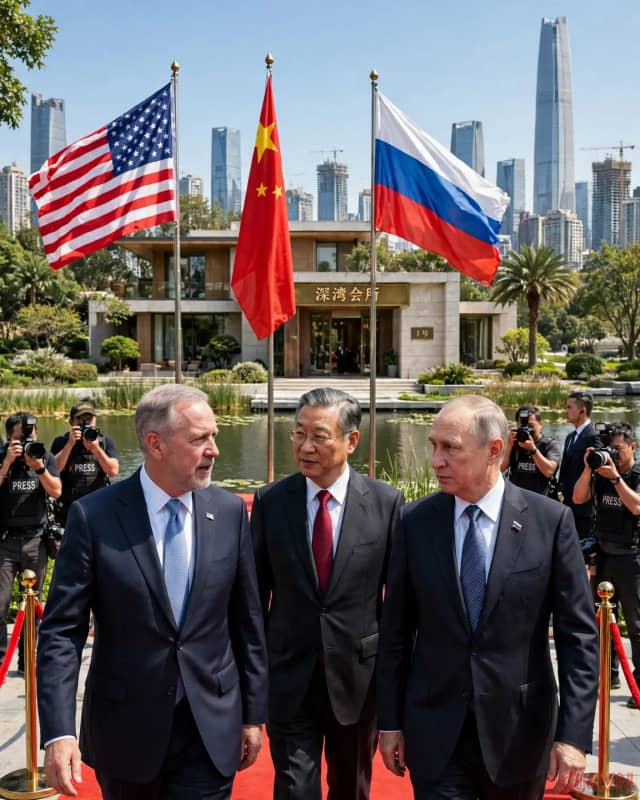
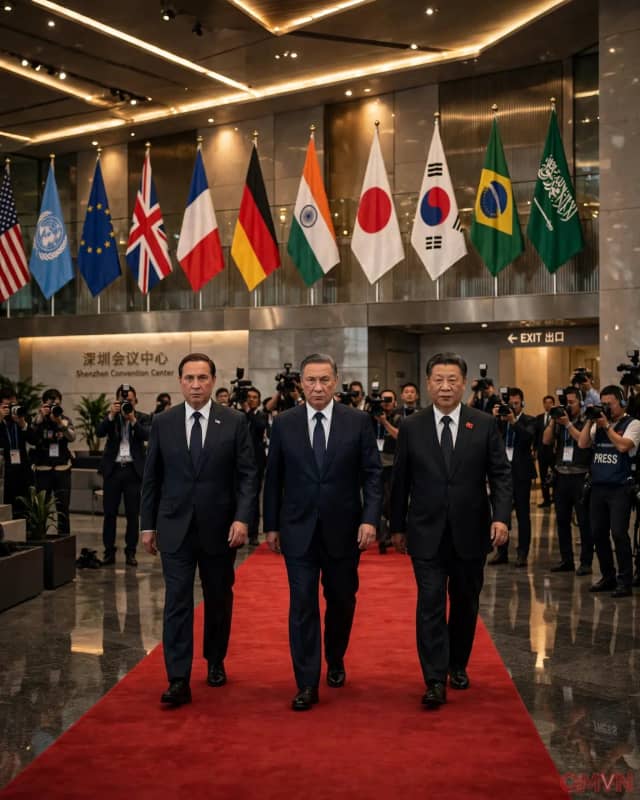
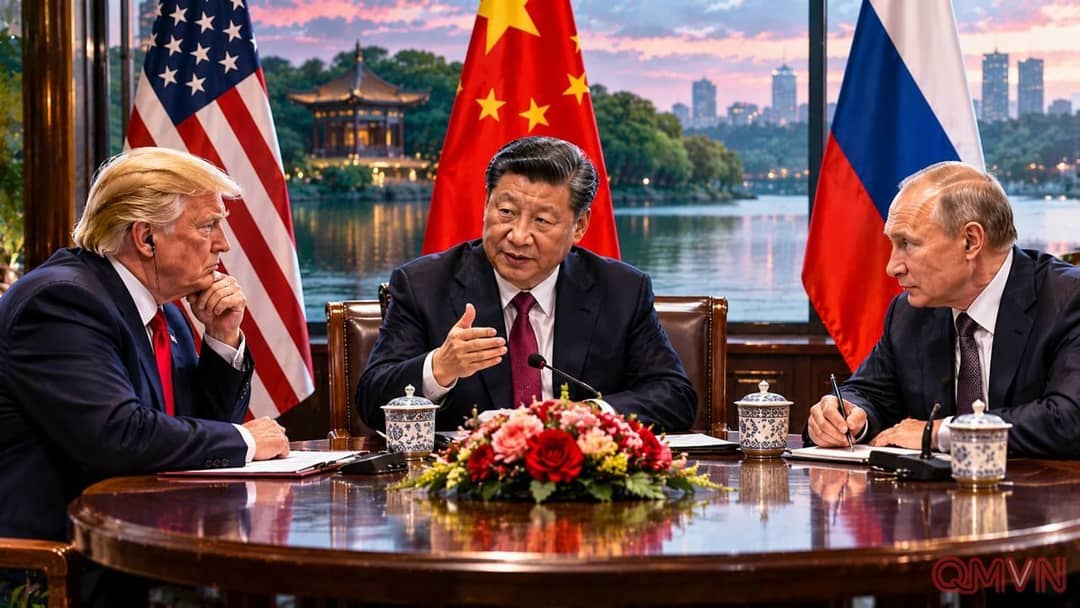
At a lakeside venue in Shenzhen, Trump, Xi and Putin convened a meeting watched closely by governments around the world. The ceremonial welcome provided all three with a chance to present continued high-level communication as a virtue despite conflicting interests. Trump argued that talking to adversaries was preferable to isolation; Xi highlighted a shared responsibility to avoid catastrophe; and Putin underscored the role of major powers in international security.
Their declaration endorsed dialogue to reduce nuclear danger and prevent proliferation. It also discussed reform of the United Nations, petroleum supplies and concerns over the International Criminal Court. Those subjects provided a broad vocabulary of cooperation without binding the governments to deadlines or implementation mechanisms. The political significance of the statement is genuine, but its practical significance remains limited until officials translate its principles into specific measures.
Nuclear arithmetic complicates the promise
The United States and Russia continue to possess the overwhelming majority of the world's nuclear warheads, while China's smaller arsenal is growing. That asymmetry has long complicated proposals for a trilateral treaty.