MAIN CONTENT
An unusually candid warning from Rome
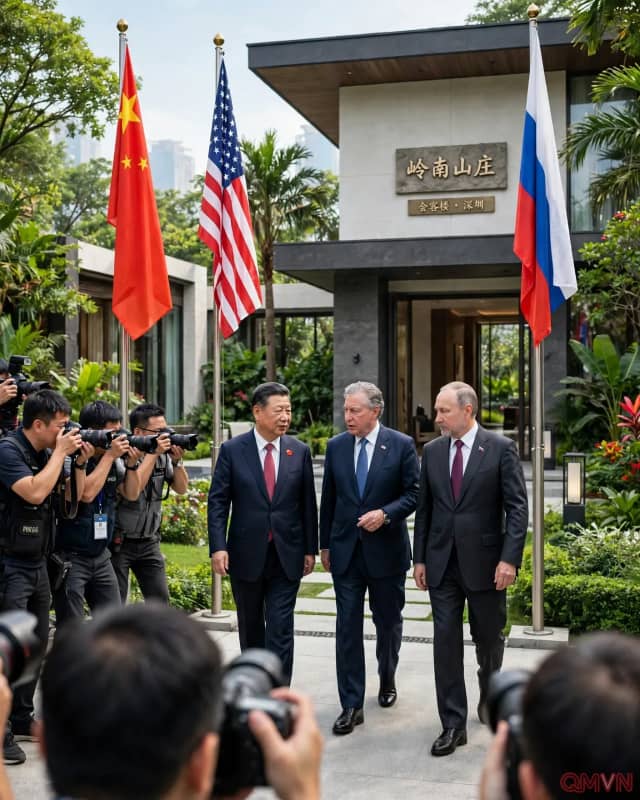
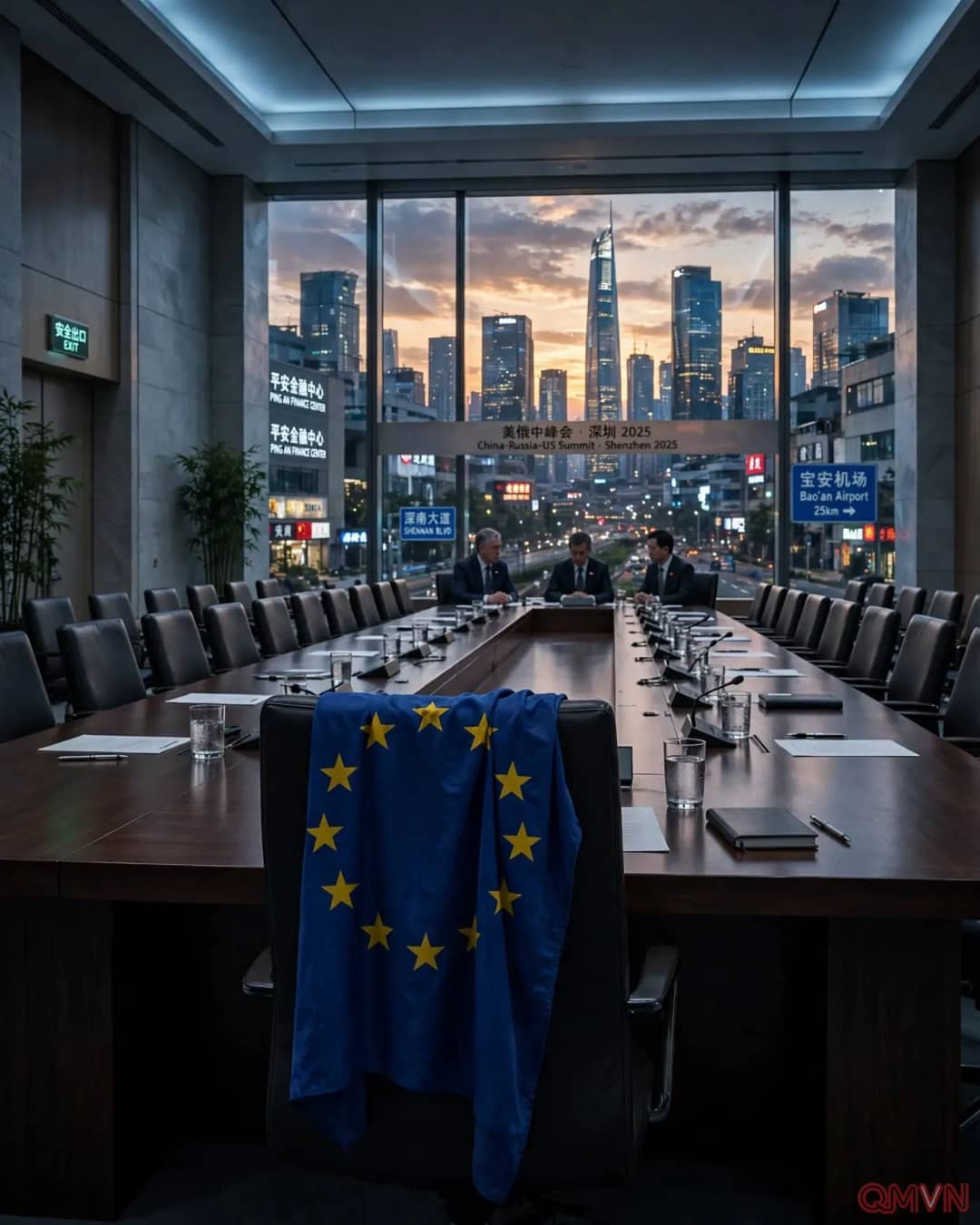
Speaking at an event near Rome on November 19, Panetta asked what the trilateral meeting had achieved and said he hoped it had not achieved much, Reuters reported. He characterized the gathering as an attempt by three powers to divide influence globally while the EU was absent. That is Panetta’s interpretation of the meeting, not a description adopted by its participants in their joint declaration.
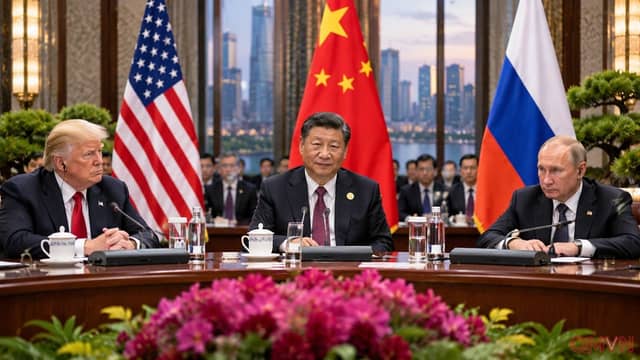
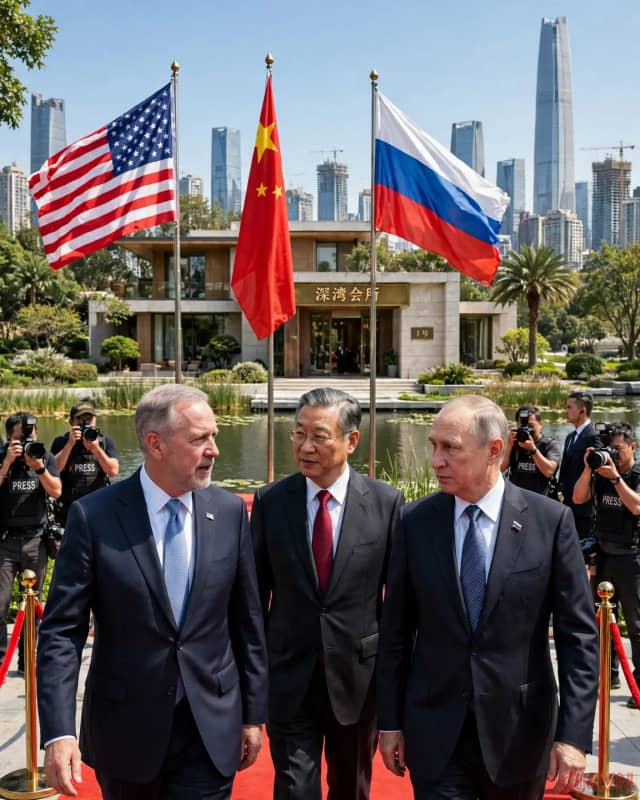
The contrast is striking. In Shenzhen, the leaders wished to signal that great-power dialogue could reduce danger. In Italy, a senior European monetary policymaker feared that talks conducted without Europe might shape its future nonetheless. The fundamental issue is not whether the three leaders should speak, but how affected states secure a voice in setting the agenda and assessing any eventual deal.
A peace declaration is not an arms-control treaty
The declaration published by the White House and China’s foreign ministry affirmed that a nuclear war cannot be won and must never be fought. It also addressed dialogue on nuclear risk, nonproliferation and areas for wider international cooperation.