Help for households in a stormy world
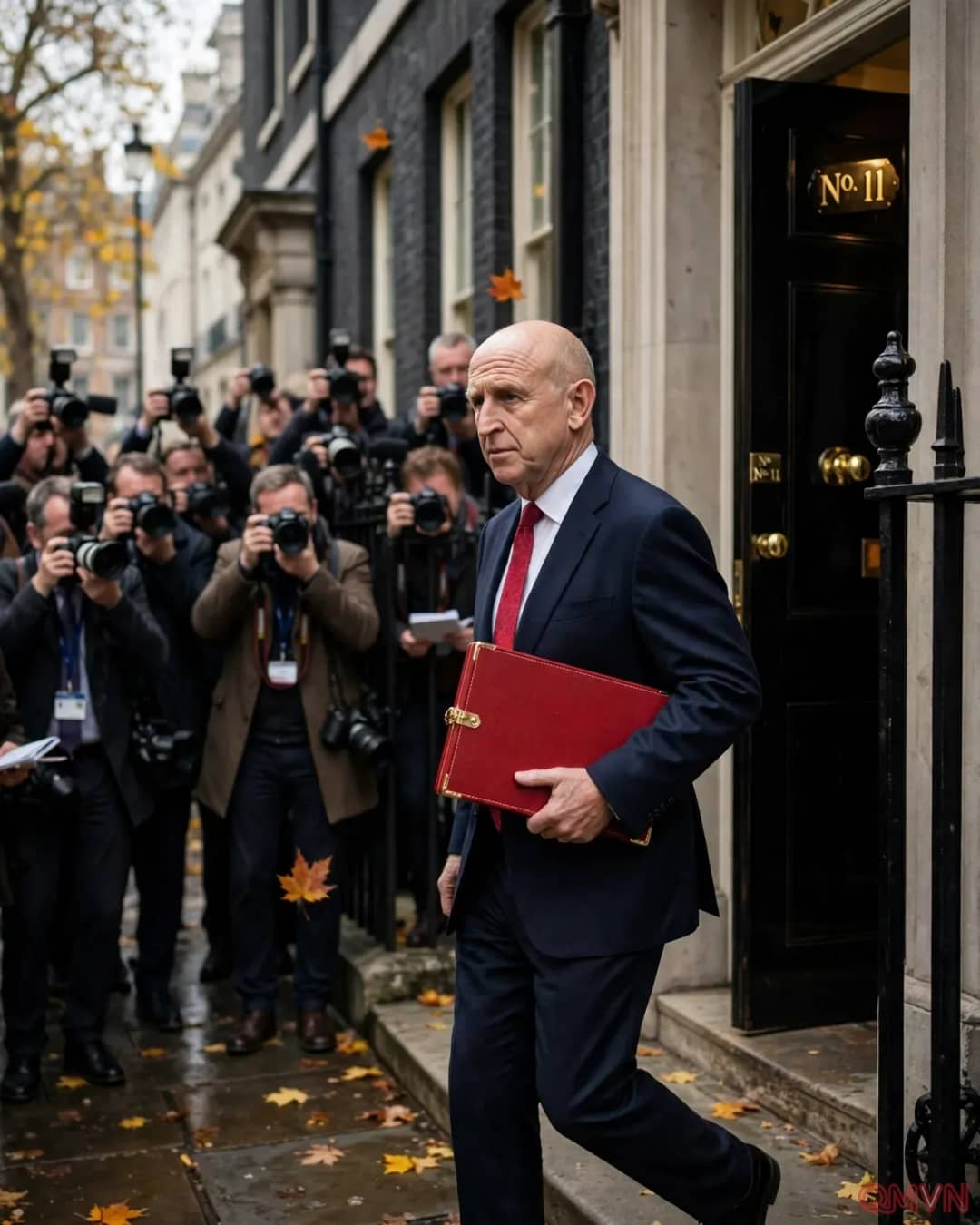
Healey framed his first budget around forces beyond Britain's control. The energy price shock from the Iran war, tariffs and trade frictions, and the long shadow of the conflict in Ukraine have pushed up costs for families and businesses alike. His answer was targeted relief rather than sweeping giveaways: a £100 payment for roughly 20 million households in lower-valued homes, the removal of standing charges on gas bills for most households, and a continued freeze on fuel duty.
“Those are the storms we face. We can't wish them away.” — John Healey
The measures are modest per household but significant in scale, and they reflect a lesson learned across Europe since 2022: when energy prices spike, help that reaches the most exposed homes quickly can soften the blow to consumer confidence without blowing a hole in the public finances. The Treasury also announced tariff cuts on some imported goods, from gherkins to marmalade, a small but symbolic gesture against rising prices.
Who pays the bill
To fund the package, Healey chose levies that spread the burden across sectors he judged able to bear it. Banks and gambling operators face higher taxes, as do savers and landlords on their income, while VAT rules for online marketplaces will be tightened so that platforms such as Amazon and Temu collect more of the tax owed on goods sold through them.