MAIN CONTENT
Washington remains the priority, but not the only option
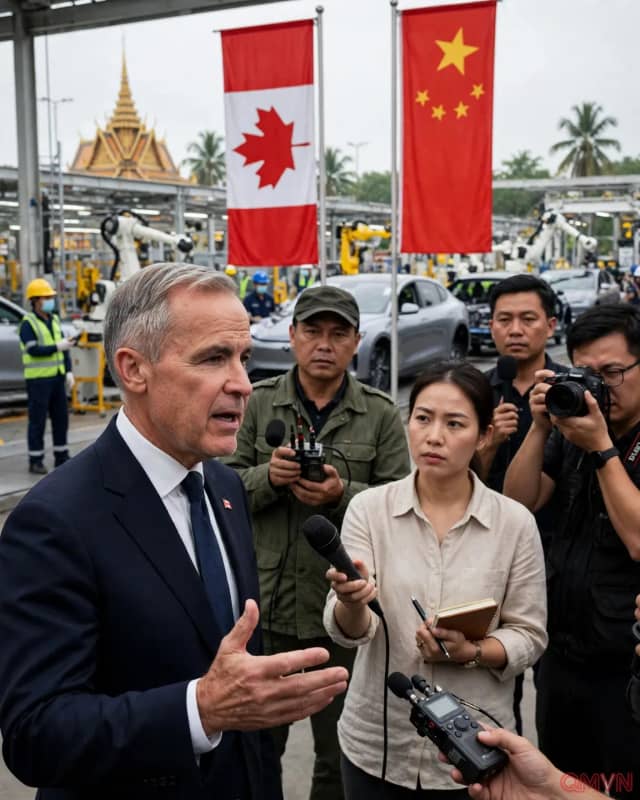
Speaking to reporters in Cambodia on November 16, Carney said Canada wants its automotive workforce fully employed in an integrated continental market. Yet US trade measures, he argued, have weakened that integration. The government therefore needs alternatives if the existing arrangement no longer provides a credible future for Canadian assembly plants and suppliers.
He rejected the idea that potential Chinese investment was merely a negotiating weapon. European and Japanese companies were also mentioned as possible partners. That distinction matters: diversification does not amount to an announced break with the United States. Its scale would depend on talks with President Donald Trump and on the terms offered to manufacturers operating in Canada.
Real production, not imported assembly kits
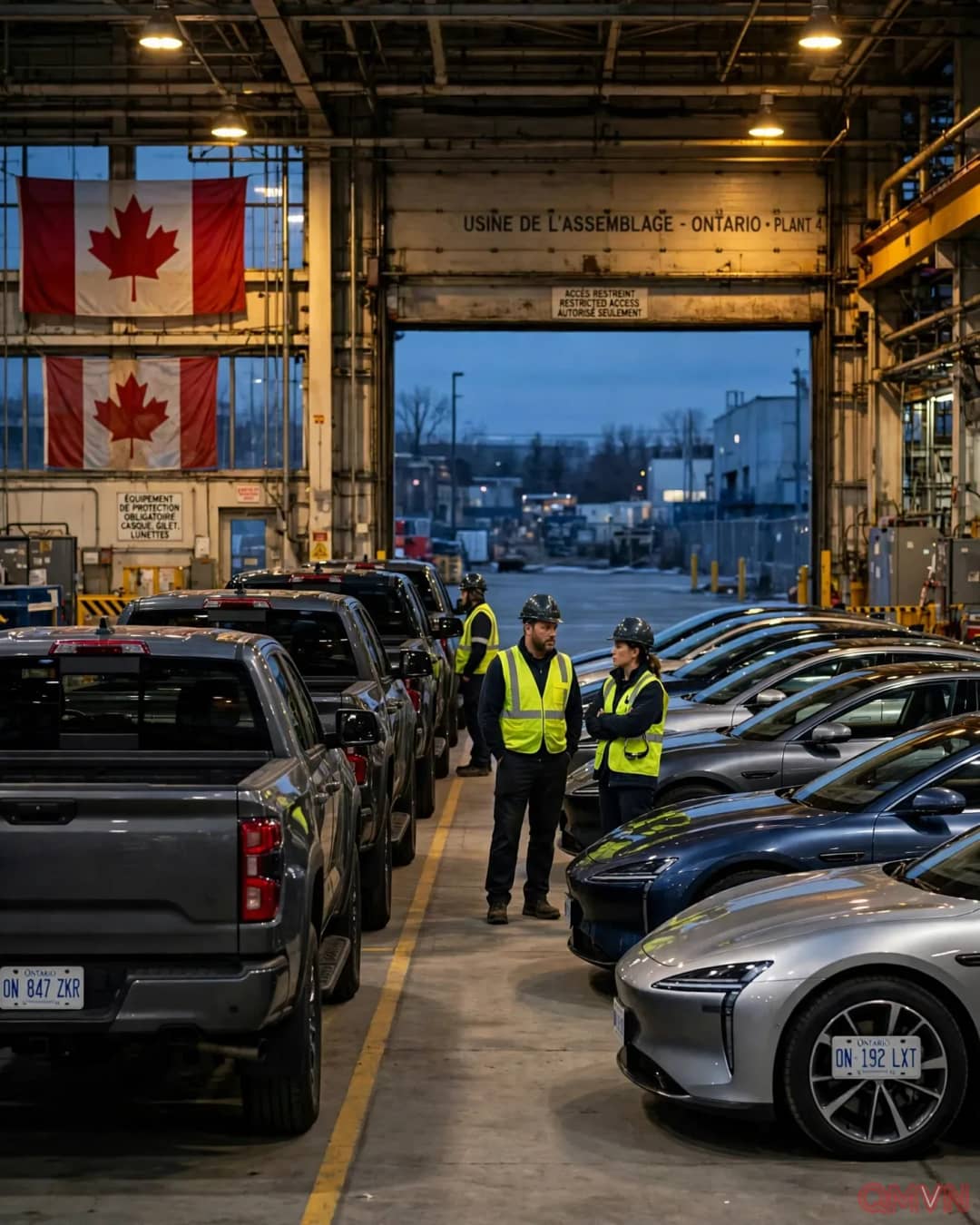
Ottawa is not proposing to exchange a protected market for a flood of inexpensive imports. Carney said potential investors would need factories, credible labor practices and local supplier networks that expand over time. Canadian critical minerals, essential for electric-vehicle batteries, could help retain more value and technical capabilities within the country.