MAIN CONTENT
From emergency rescue to an investment proposition
Uniper's announcement marks another stage in a remarkable reversal. In 2022, Germany stepped in with €13.5 billion to rescue the gas importer after Russian supply disruptions left it exposed to extraordinary replacement costs. The intervention protected an important part of the country's energy system, but it also created a long-term question: when, and on what terms, could taxpayers' ownership be reduced?
Berlin now intends to bring its 99.12% holding down to a blocking minority. An outright transaction involving a strategic or financial buyer and a return to the stock market are potential routes, not completed decisions. Uniper has indicated that a relisting is its preferred option. Management's new spending commitments therefore serve a double audience: electricity customers concerned about resilience and prospective shareholders concerned about returns.
Gas power and data centres reshape the growth case
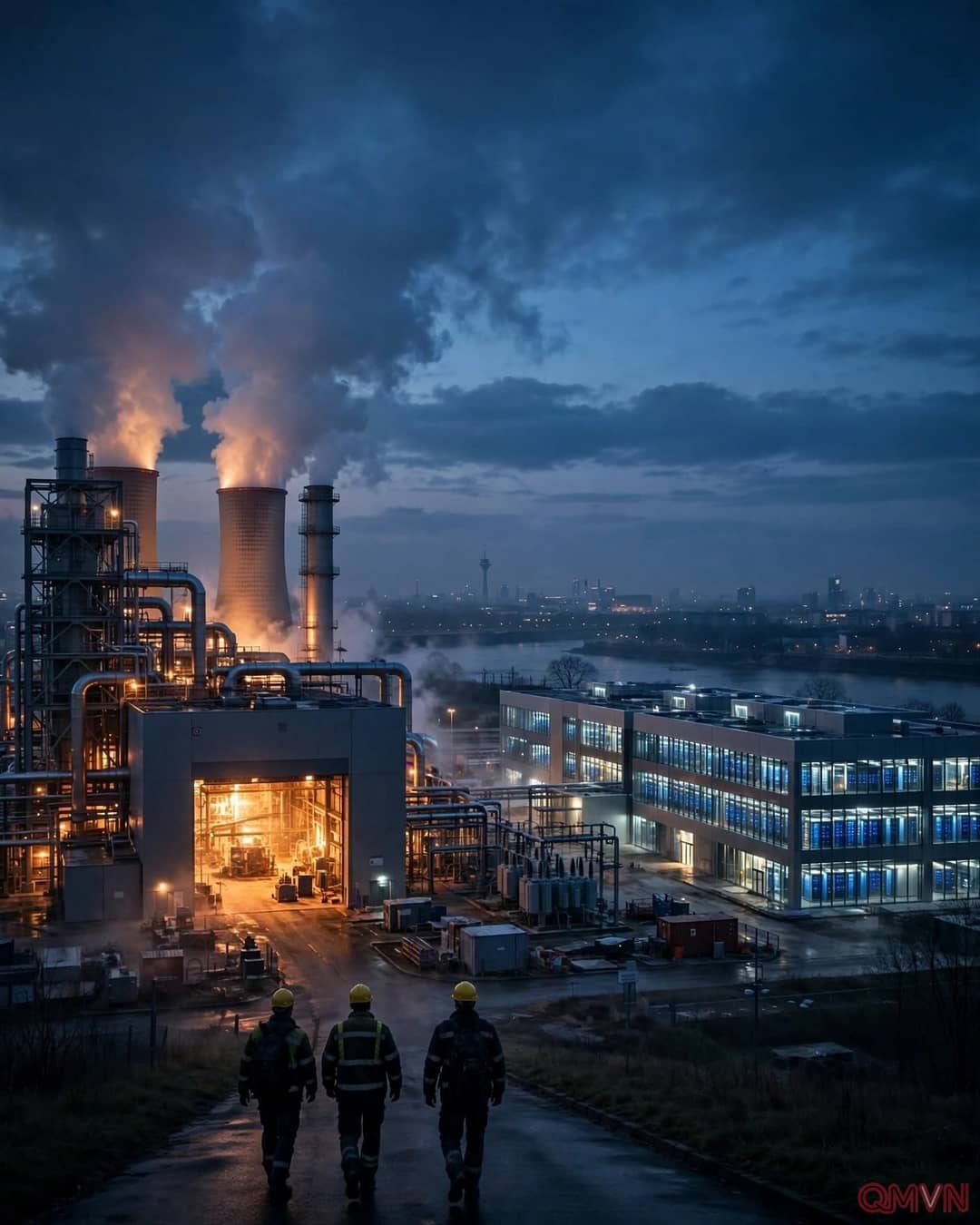
About two-thirds of the €6 billion programme is assigned to new gas-fired power stations and the redevelopment of existing sites, including for data-centre uses. Flexible gas generation can help balance intermittent renewable output, although its long-term climate contribution will depend on emissions, future fuel choices and how frequently plants operate. This makes the strategy commercially pragmatic but not free of transition risk.