MAIN CONTENT
An opening warning against delay
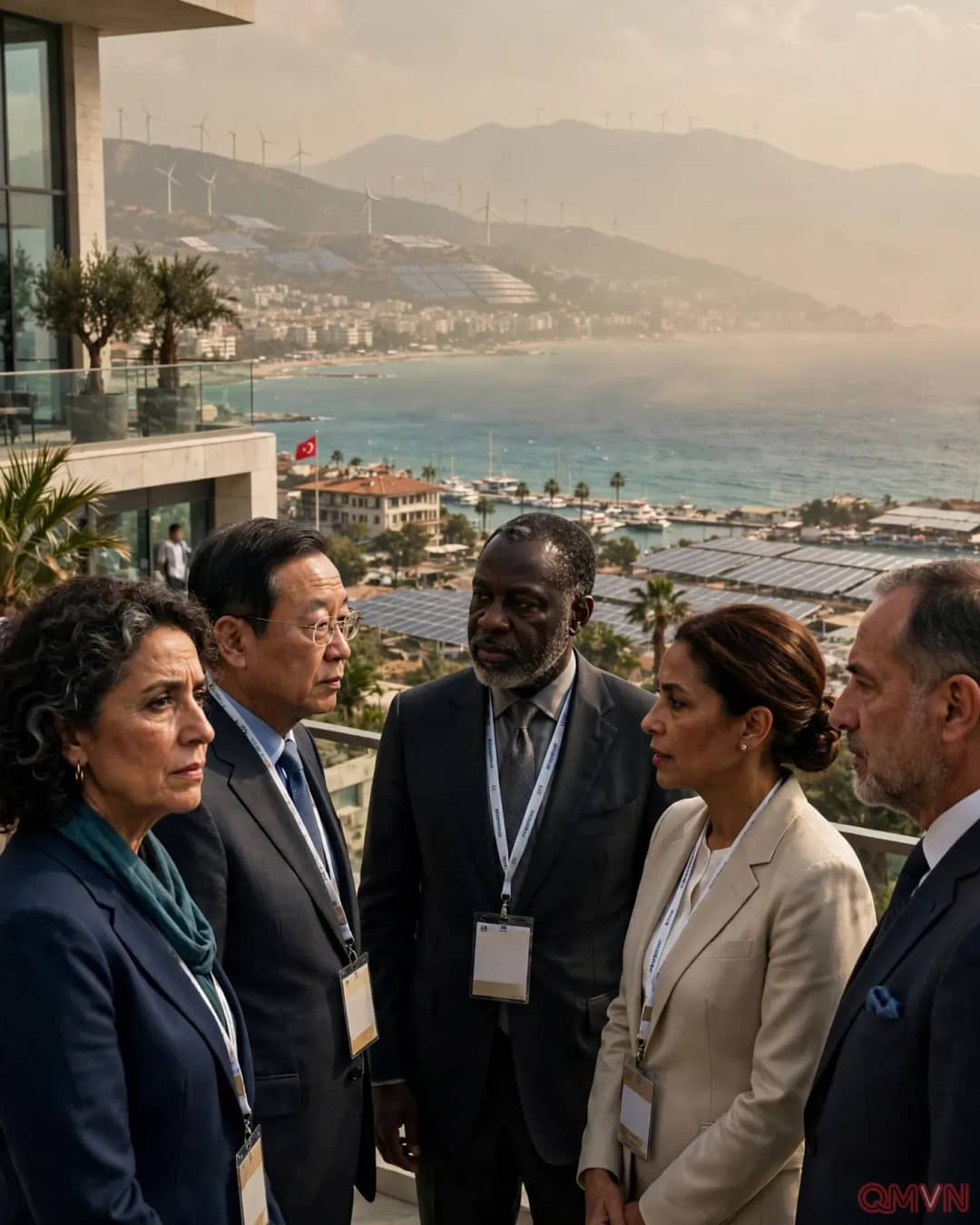
At the opening of the November 9–20 gathering, Stiell argued that the world cannot confuse progress with adequacy. The UN climate process has helped countries set common goals, but greenhouse gas emissions and the effects of warming continue to expose a gap between agreements and implementation. An October assessment by the United Nations Environment Programme indicated that exceeding 1.5°C of warming above pre-industrial levels is increasingly difficult to avoid under existing trajectories. That figure describes a long-term global temperature threshold, not a verdict based on a single hot year.
The urgency is visible far beyond the negotiating hall. Reuters reported intense Western European heatwaves and a devastating flood linked to a glacier collapse in Nepal among the year's disasters. A strong El Niño has further influenced global temperatures. Individual events require careful scientific attribution, but the broader scientific finding is clear: warming raises risks from many kinds of extremes. Climate diplomacy therefore has consequences for public health, agriculture, infrastructure and insurance, rather than merely environmental policy.
The promise and limits of electrification
The host country's flagship '35-by-35' initiative seeks to increase electricity's share of worldwide final energy consumption to 35% by 2035, from roughly one fifth today. Transport, buildings and industry are central targets: electric vehicles, heat pumps and cleaner industrial processes can displace direct combustion of coal, oil and gas.