MAIN CONTENT
An energy giant facing a winter deficit
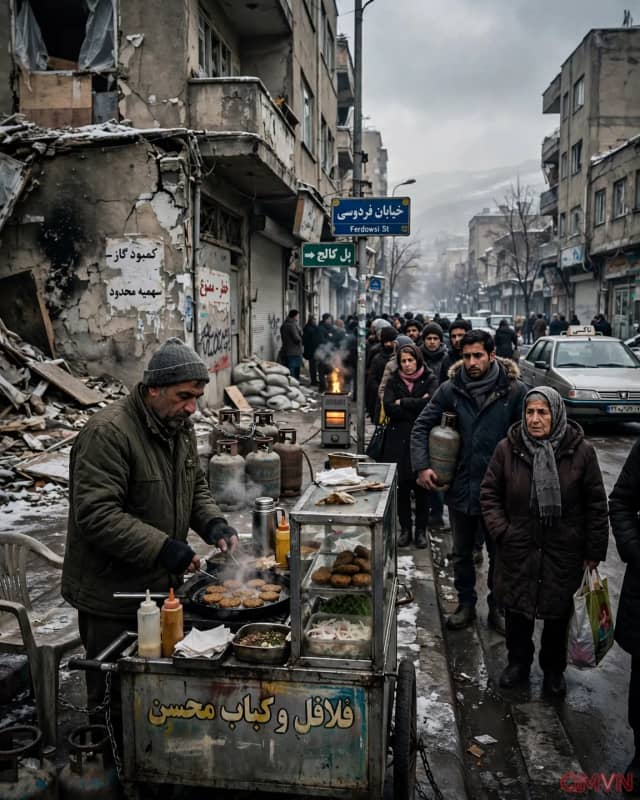
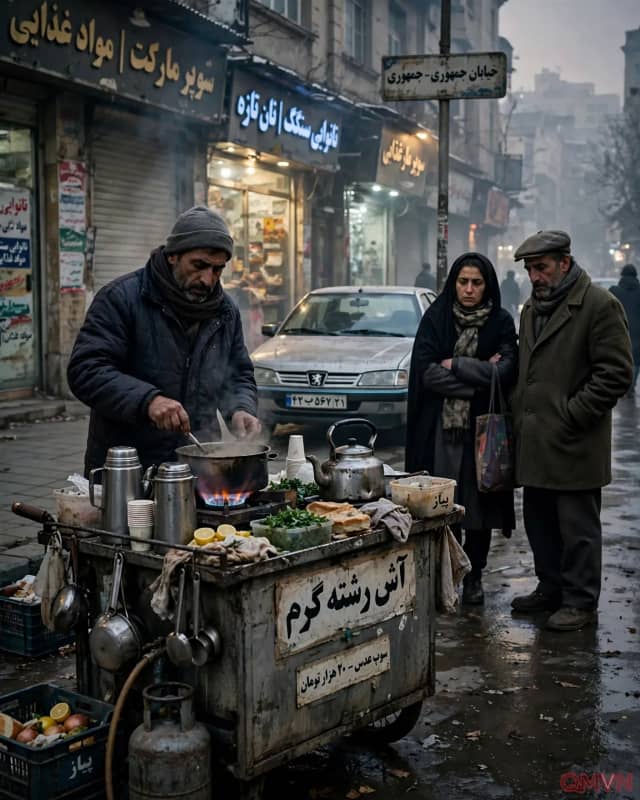
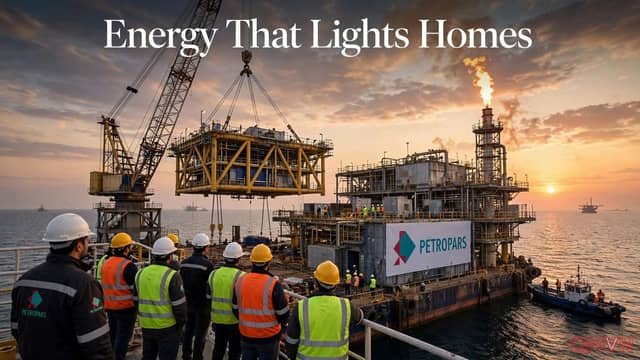
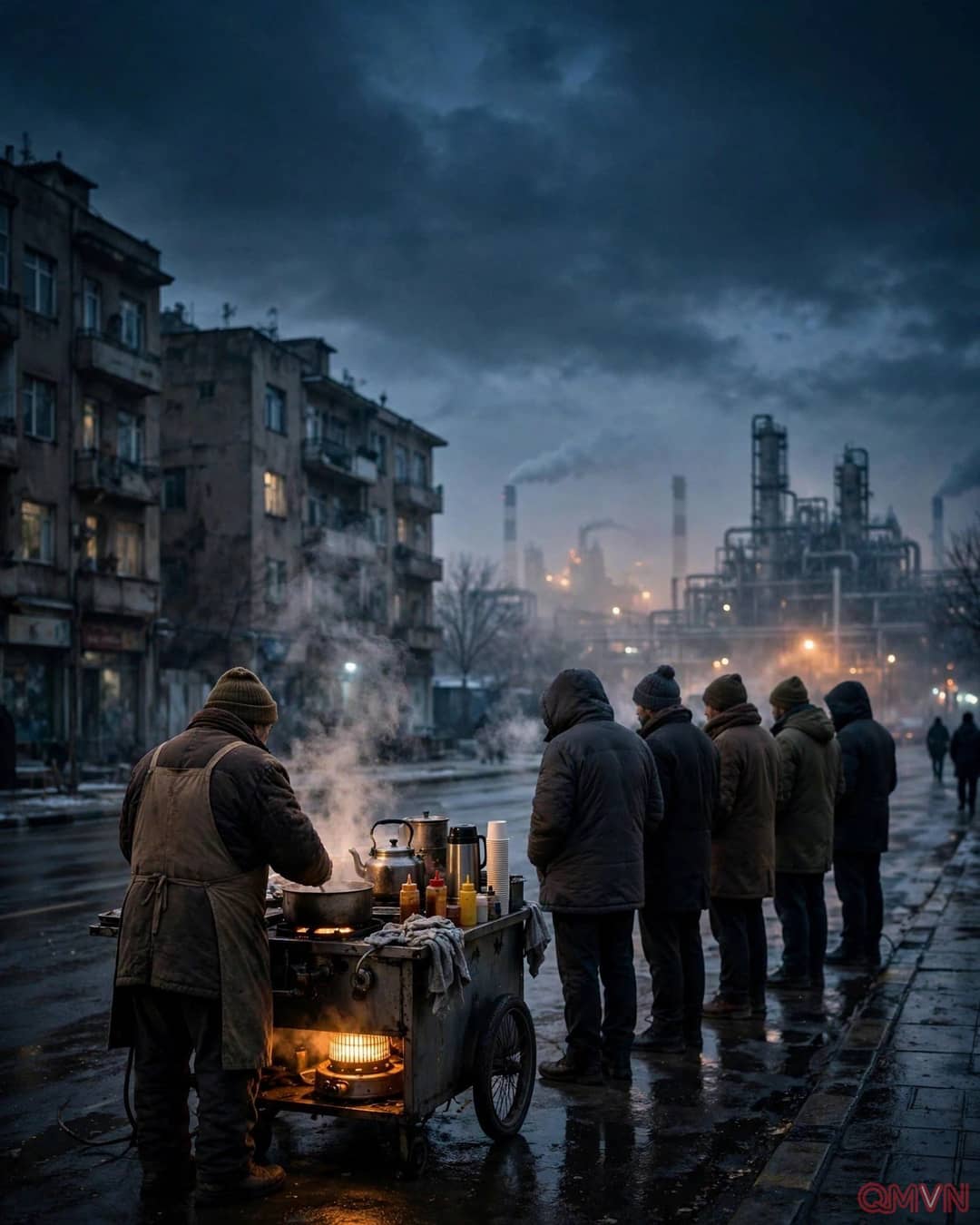
The paradox is striking. Iran possesses some of the world’s largest natural gas reserves, but production alone does not guarantee reliable supplies at the moment they are needed. Government spokesperson Fatemeh Mohajerani has warned that shortages could reach 430 million cubic metres at peak demand, up from roughly 300 million previously. The figure is a projection of a supply gap, not a count of households expected to lose service. Authorities have indicated that even Tehran could face cuts if consumption remains elevated.
The National Iranian Gas Company has identified 11 of the country's 31 provinces as potentially vulnerable. Mazandaran, Golestan and North Khorasan have been highlighted because winter demand rises sharply in colder areas. Officials are encouraging consumers to reduce usage; parliament speaker Mohammad Baqer Qalibaf called for a 10% saving. Conservation may ease immediate pressure, but it cannot substitute for damaged processing capacity or a reliable delivery network.
Damaged plants and the limits of quick repairs
According to the gas company, four processing facilities were hit early in the conflict, initially removing around 230 million cubic metres of processing capacity; roughly 100 million had been restored by early November. Those estimates indicate substantial unfinished repair work.