MAIN CONTENT
A gas giant with a winter vulnerability
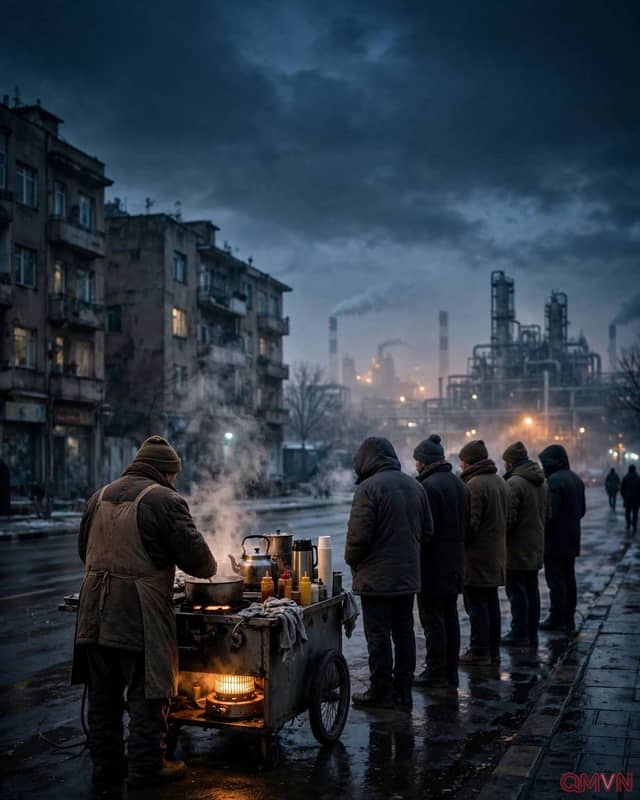
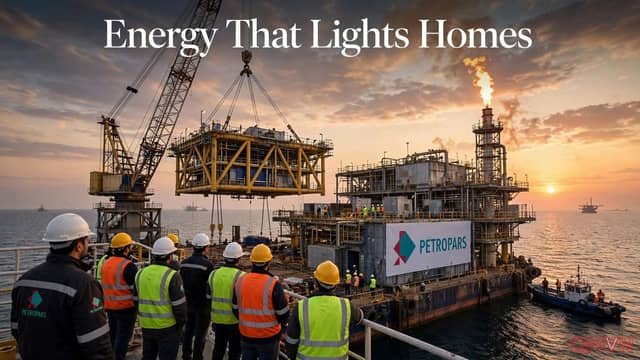
Iran shares the vast South Pars gas field and ranks among the world’s largest holders of natural-gas reserves. But resources underground do not automatically translate into reliable heating in homes. Gas must be extracted, processed and moved through infrastructure that depends on investment, maintenance and specialist equipment. As temperatures fall, residential demand rises even while factories and electricity generators still require substantial supplies.
The government’s projection, reported by Reuters, puts the possible shortfall during peak demand at 430 million cubic metres per day, against roughly 300 million a day in the preceding winter. This is a forecast supply-demand gap, not a tally of gas already disconnected. The National Iranian Gas Company has flagged 11 of the country’s 31 provinces as exposed, with colder northern districts among the areas of greatest concern.
War strikes a critical processing link
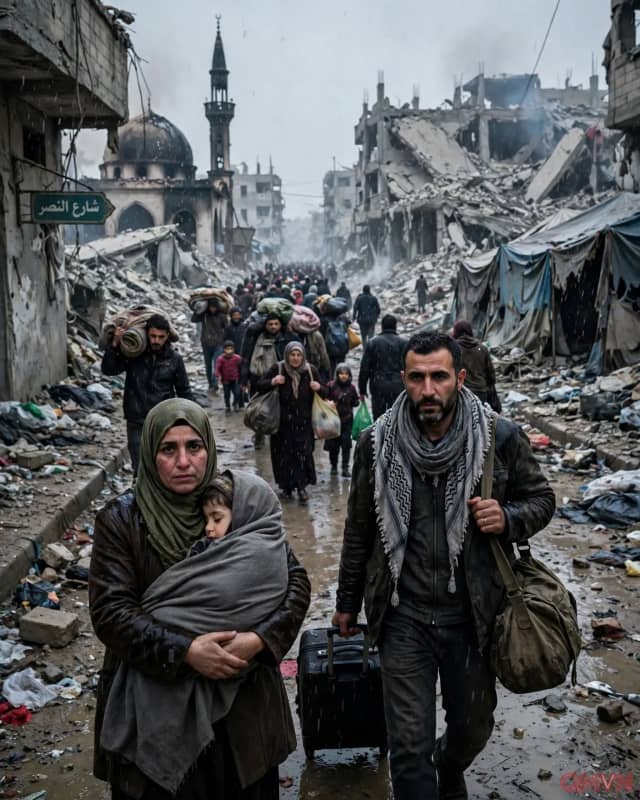
Iranian gas officials say four processing plants suffered damage during the conflict’s early phase. The initial loss of processing capacity was estimated at 230 million cubic metres, with around 100 million restored since then.