MAIN CONTENT
A longer summer, a shorter winter
According to the report, current warming in California is unprecedented compared with the past century and estimates for the past millennium. Warm weather will arrive earlier and persist later each year, affecting fire risk, tourism, agriculture and wildlife.
- Average temperatures rise about 4 degrees Fahrenheit by mid-century.
- Summer conditions last 135 days on average by mid-century, compared with 90 days in 1981-2010.
- The Sierra Nevada snowpack falls 40% by mid-century and 60% by 2100.
What once fell as snow will instead fall as rain and immediately become runoff, rather than melting slowly to feed reservoirs. The result will be more severe droughts, and lower-elevation ski resorts will see rain instead of snow.
Beaches, farms and human health under threat
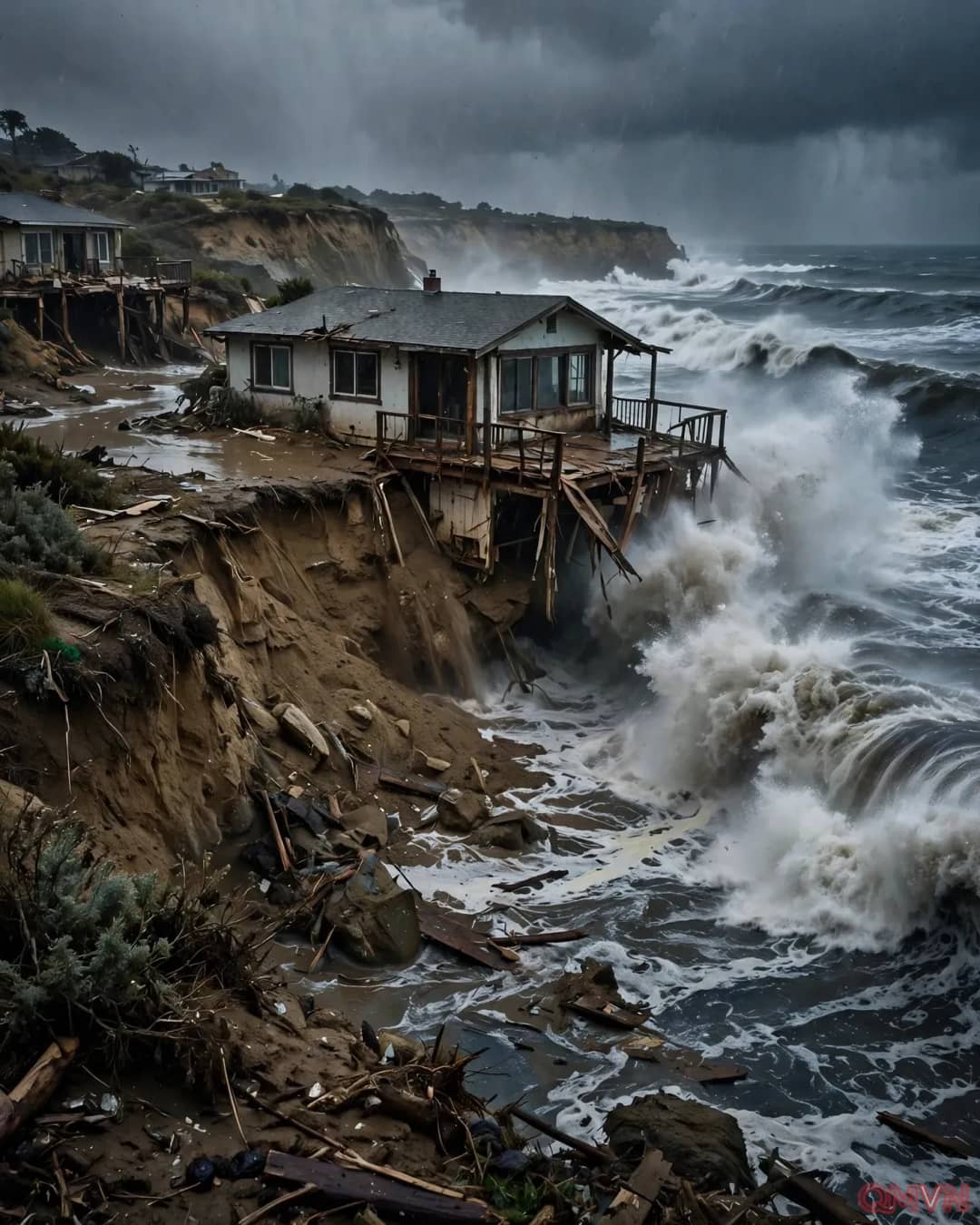
The report shows climate change is not just abstract numbers but touches familiar parts of Californians’ lives. Without major intervention, as much as three-quarters of the state’s beaches could disappear – seasonally or permanently – by 2100 due to coastal erosion, and sea level rise could threaten $78 billion worth of property.