MAIN TEXT
An empty seat and a delayed conversation
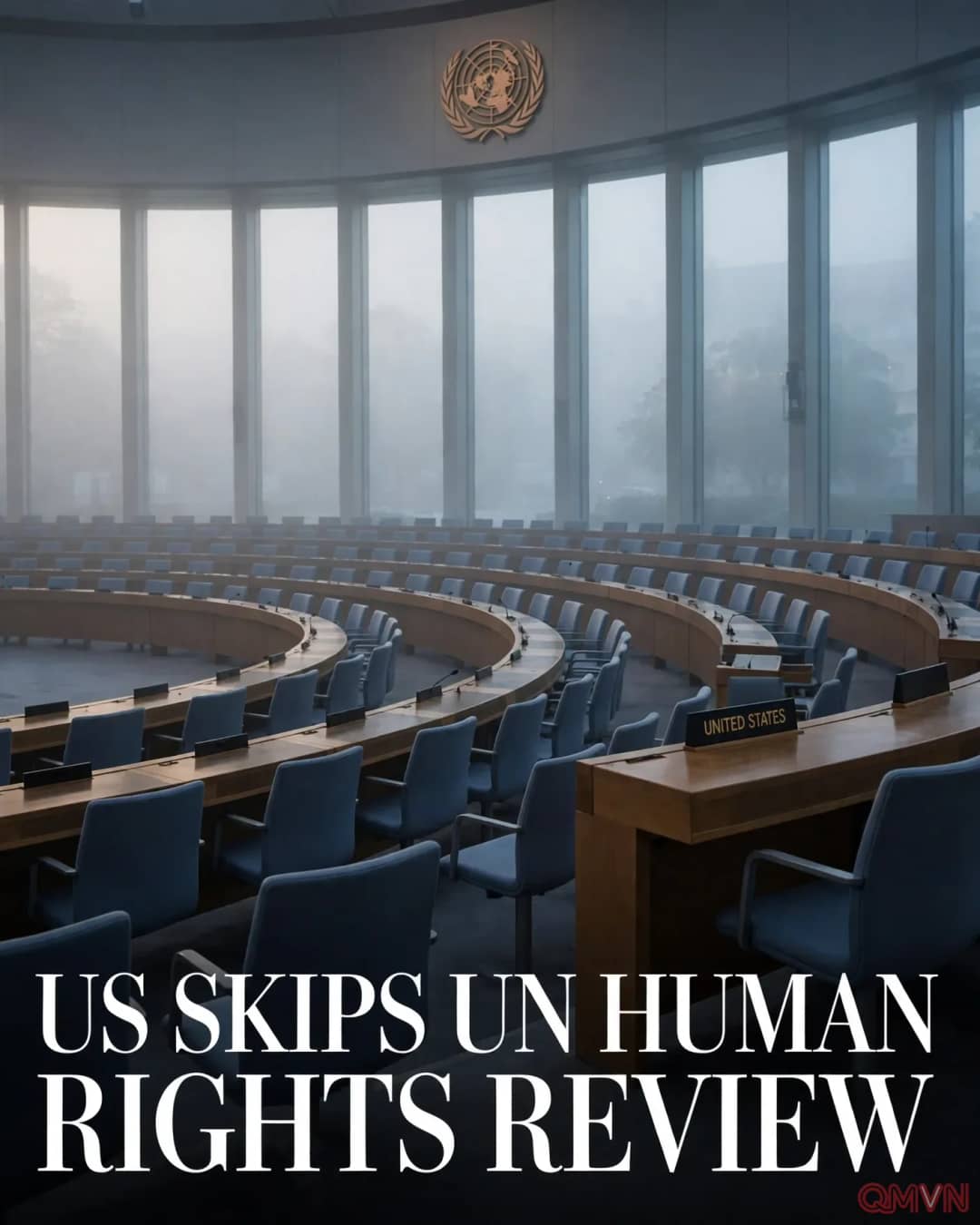
Delegates meeting in Geneva did not receive a US presentation or an opportunity to question American officials face to face. The 47-member Human Rights Council agreed to defer the review until January 2027. Unlike a court, the Universal Periodic Review does not determine criminal responsibility; governments present their records and hear recommendations from other states. Those recommendations are not legally binding, but the process is designed to foster public commitments and follow-up. The absence therefore matters less as a missed ceremony than as a lost occasion for official answers.
The review had already been delayed from November 2025. A second absence raises a practical question for a mechanism built on universality: should a country be allowed repeated postponements when others submit to scrutiny? Rights organizations have warned that a prominent refusal may give governments elsewhere a reason to resist examination. Yet the council's decision to leave the door open also reflects a diplomatic calculation that eventual participation could be more constructive than a confrontation without any US delegation.
Why Washington rejects the forum
The US State Department said attending would amount to endorsing the council's work. Washington has criticized the body for what it describes as anti-American rhetoric and bias against Israel.