A Giant Landfill Under the Satellites’ Gaze
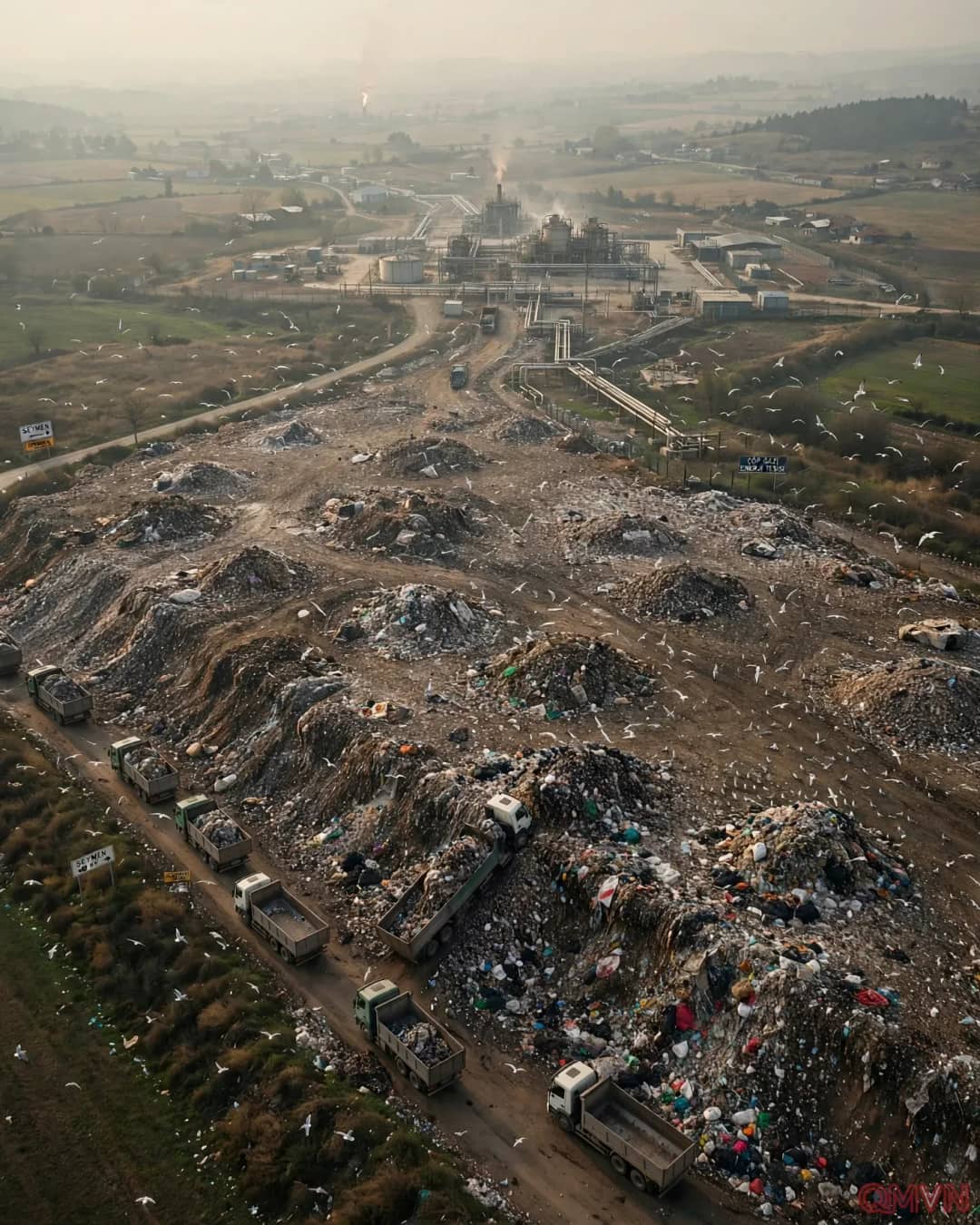
In the countryside west of Istanbul, a city of 16 million, trucks line up to dump household waste at the Seymen landfill, where landfill gas is captured to generate electricity at a nearby plant. But from high above, satellites detect methane escaping that the system fails to capture. Methane is the second-biggest driver of climate change after CO2 and over 80 times more potent than CO2 in its first 20 years in the atmosphere. Key findings include:
- According to emissions tracker Climate TRACE, Turkey is the world’s fifth-biggest emitter of methane from solid waste, behind China, the United States, Russia and Brazil.
- UCLA’s analysis of Carbon Mapper’s Tanager-1 satellite data from January 2025 to end-May 2026 identified 70 plumes from the 10 highest-emitting sites, with average rates from 841 kg to 7.4 tons an hour.
- Three of the sites are around Istanbul, with others near Ankara, Izmir and Antalya, where COP31 is being held.
- Gas capture is widespread at large landfills, indicating that collection systems alone do not prevent large releases.
Disputed Data
Turkey’s Environment Ministry said the satellite data were not continuous measurements and could not be used to estimate annual emissions at Seymen. It said the government’s Zero Waste Initiative aims to reduce waste sent to landfills, and that the national waste recovery rate rose to 37.53% in 2025 from 13% in 2017. Aysen Erdincler of ISTAC, the municipal landfill operator, said emissions typically range from 4 to 6 tons an hour, and that a single 12-ton reading pushed the average up.