MAIN CONTENT
From conference corridors to threatened shores
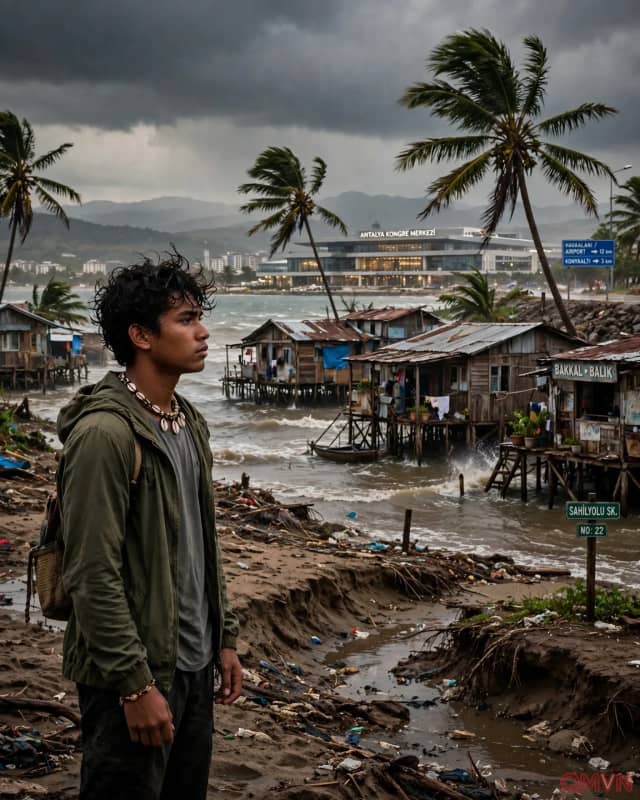
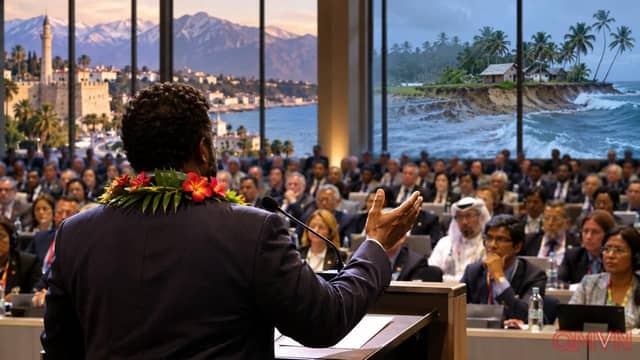
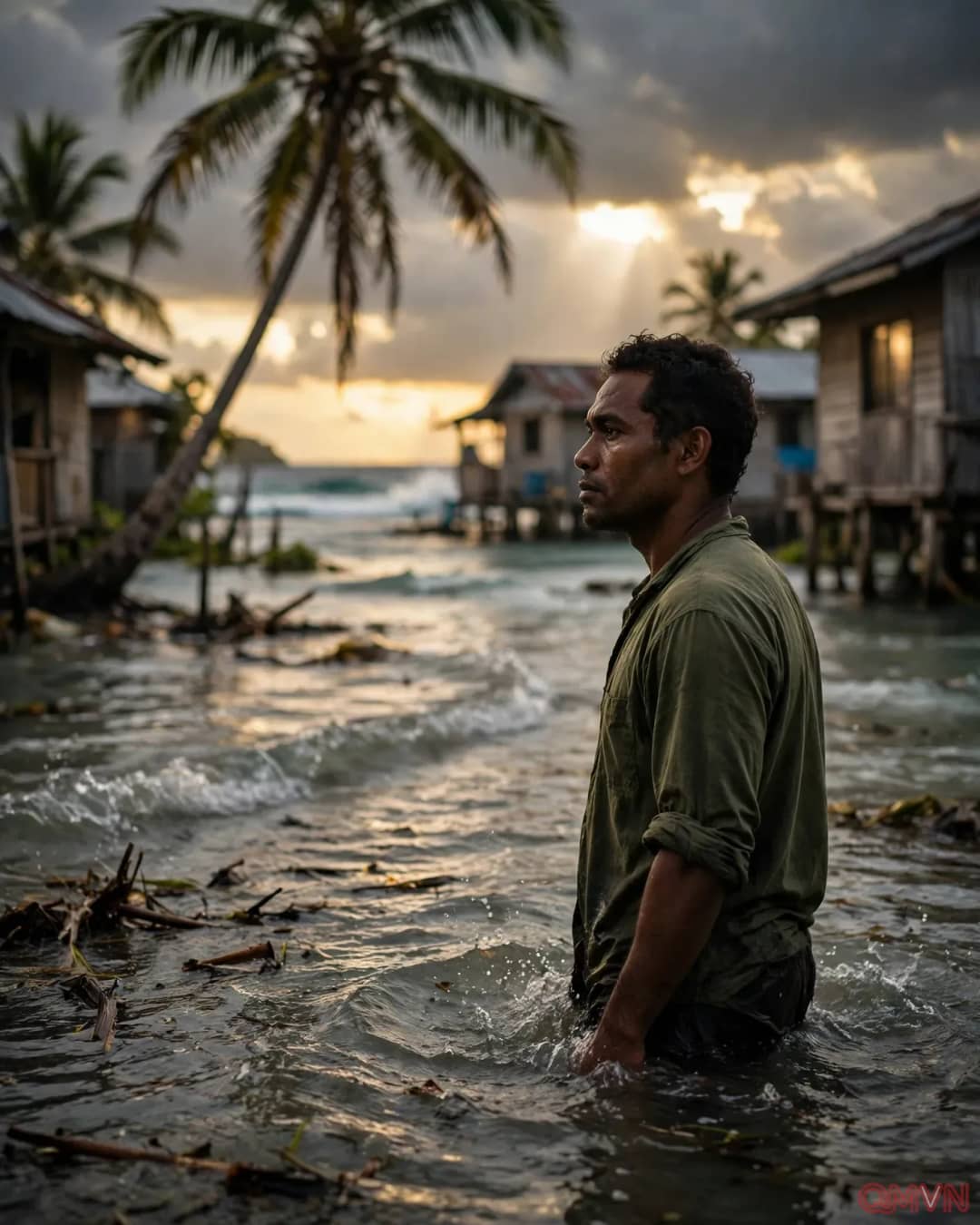
Albon Ishoda, a Marshall Islands diplomat, described to The Guardian how the climate emergency follows him even into the night. For a country of low-lying atolls, the danger goes beyond lost property or diminished economic output. The deeper question is whether communities will be able to preserve their homes, language, cultural memory and connection to ancestral land. The figures discussed in negotiating rooms—emissions pathways and temperature curves—translate into saltwater intrusion, coastal erosion and neighborhoods facing repeated floods.
Research from NASA cited by United Nations agencies projects sharply increasing coastal inundation across parts of the Pacific by mid-century. Islands do not have to disappear beneath the ocean to become difficult to inhabit: freshwater sources, roads, clinics, schools and livelihoods can be damaged long before permanent submergence. That distinction explains why Pacific delegates insist that adaptation, though essential, cannot replace deep emissions reductions.
A draft without fossil fuels and the 1.5°C dilemma
A revised central decision circulated on November 19 omitted explicit language about moving away from coal, oil and gas. Reuters and the Financial Times reported the deletion, while campaigners warned that vague commitments could weaken the political signal to investors and governments.