MAIN ARTICLE
A verdict with consequences beyond the courtroom
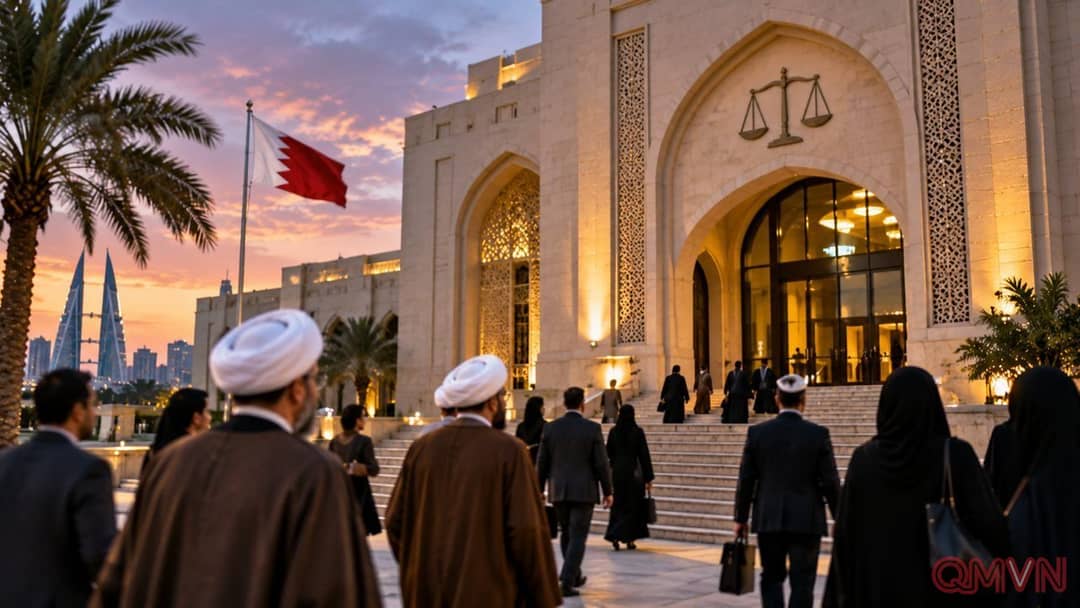
The Bahrain Institute for Rights and Democracy says the November 16 judgment covered 69 defendants, among them 60 Shia clerics and nine people linked to religious activities. The 20-organization statement issued before sentencing described 56 detainees, with 13 clerics being tried in absentia. The scale alone makes the case a major moment in the kingdom’s long-running debate over its relationship with Shia religious institutions.
A conviction does not automatically settle questions about the process that produced it. Rights advocates have asked for independent monitoring, access to case files and meaningful review of disputed statements. Publicly available reporting does not establish every alleged instance of mistreatment, but the gravity of life sentences makes an impartial investigation especially important.
Security allegations and disputed evidence
According to Reuters and the Financial Times, Bahrain’s prosecutors said the defendants took part in a group linked to Iran’s Islamic Revolutionary Guard Corps and sought to undermine the constitutional system. Authorities also linked the case to promoting Iran’s political doctrine through mosques and community gatherings.