MAIN REPORT
One chair, more than one voice
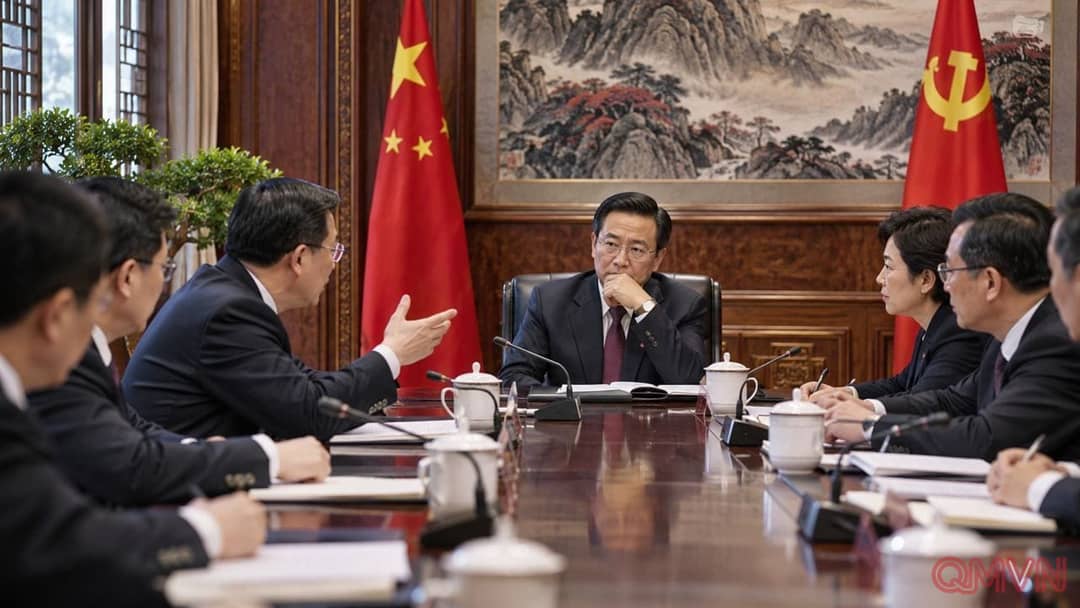
In Chinese political administration, the term yi ba shou denotes the principal leader of a party organization or government unit. Such officials may carry considerable weight in appointments, budgets and agenda-setting. That makes speaking order more than ceremonial. When a chair announces a favored position at the outset, colleagues may hesitate to challenge it even without an explicit instruction to remain silent.
The resolution, published in full on November 1, calls for a last-to-speak system alongside clearer responsibilities and constraints on principal leaders. Party secretaries must seriously consider differing and minority views. A secretary’s special-purpose meeting must not substitute for a standing committee meeting empowered to make collective decisions. The intention is to turn a general principle of group leadership into a procedure whose observance can be assessed.
Yet an opportunity to speak first is not the same as equal influence. Meaningful deliberation also requires timely access to documents, genuine comparison of options and an honest record of dissenting views. Changing the sequence may create room for argument, but it cannot by itself guarantee that inconvenient evidence will affect the eventual decision.