CONTENT
The three-into-two cockpit puzzle and the clash of talent development cultures
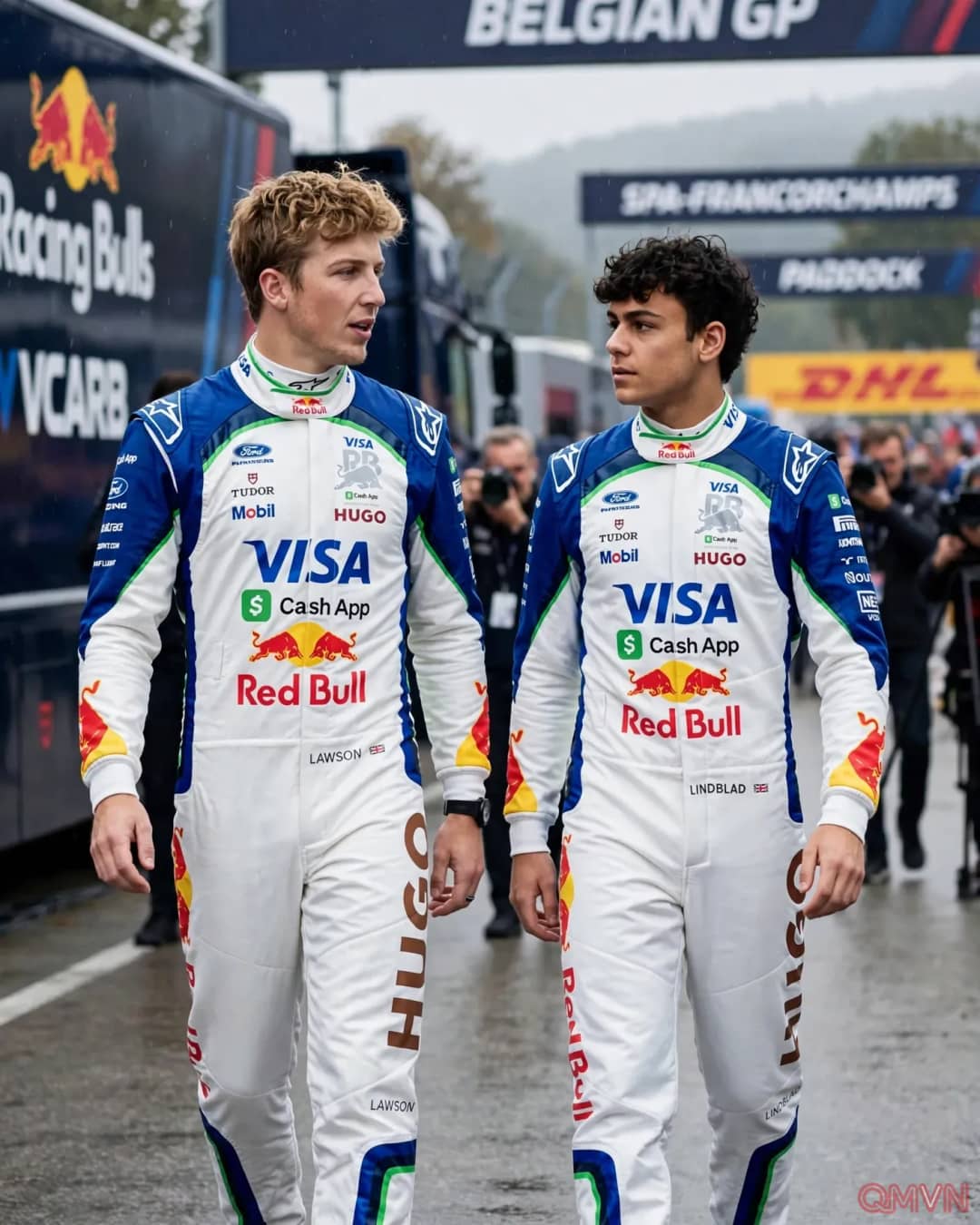
With the 2027 Formula 1 grid taking definitive shape, Racing Bulls stands alongside Haas as one of only two teams yet to finalize their driver pairings. At Faenza, team officials face a high-stakes three-into-two scenario, weighing the proven credentials of current race drivers Liam Lawson and Arvid Lindblad against the surging momentum of Bulgarian prospect Nikola Tsolov, currently contending at the sharp end of Formula 2.
Crucially, this marks the first juncture in corporate history where driver selections are made without Helmut Marko steering the young driver pipeline. For over twenty years under Marko and Christian Horner, the program enforced an unforgiving Darwinian model: drivers were granted fleeting opportunities and summarily dismissed if they failed to deliver instantaneous brilliance. However, this hyper-aggressive strategy frequently paired unproven rookies together, muddying accurate performance evaluations.
Retaining a proven benchmark driver provides the team with a reliable metric to accurately assess the growth and raw capability of incoming talent.