MAIN REPORT
Reclaiming a mediation role in a world that no longer waits for the UN
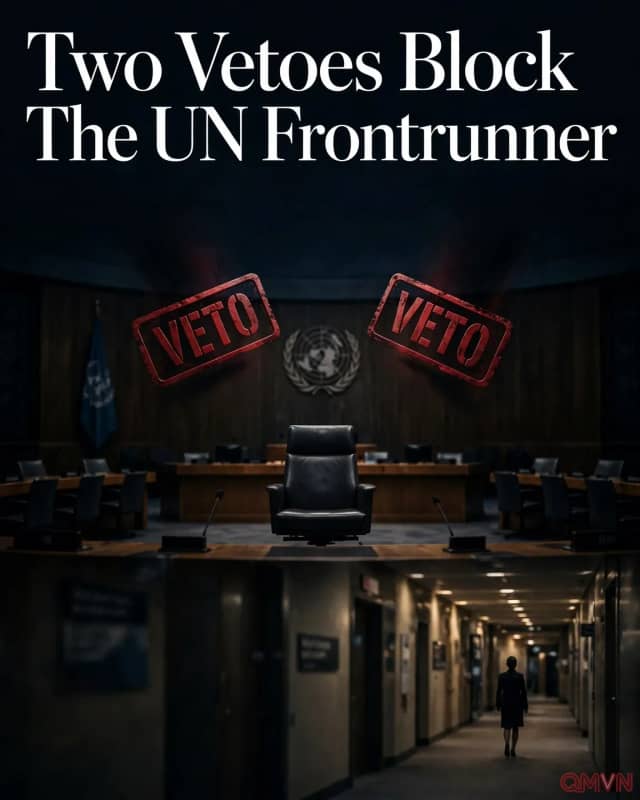
The first challenge is political relevance. In recent major wars, from Ukraine and Gaza to Iran, some of the most consequential negotiations have taken place outside the United Nations. That does not mean the organization has become irrelevant. Its humanitarian agencies, peace operations, refugee programs and development networks still operate in places where few institutions can replace them. But the gap between the U.N.'s operational importance and its political influence has widened.
An effective secretary-general will therefore need to know when to speak publicly and when to negotiate quietly. Kofi Annan built influence by personally engaging in mediation and maintaining channels with both major powers and adversaries. The next leader will need similar instincts under harder conditions: enough independence to retain credibility, enough pragmatism to remain acceptable to governments, and enough persistence to sustain dialogue even when the Security Council is paralyzed.
“The world does not need a weaker United Nations. It needs a U.N. strong enough to face the world as it is.” — António Guterres