Good numbers and a notebook of debts
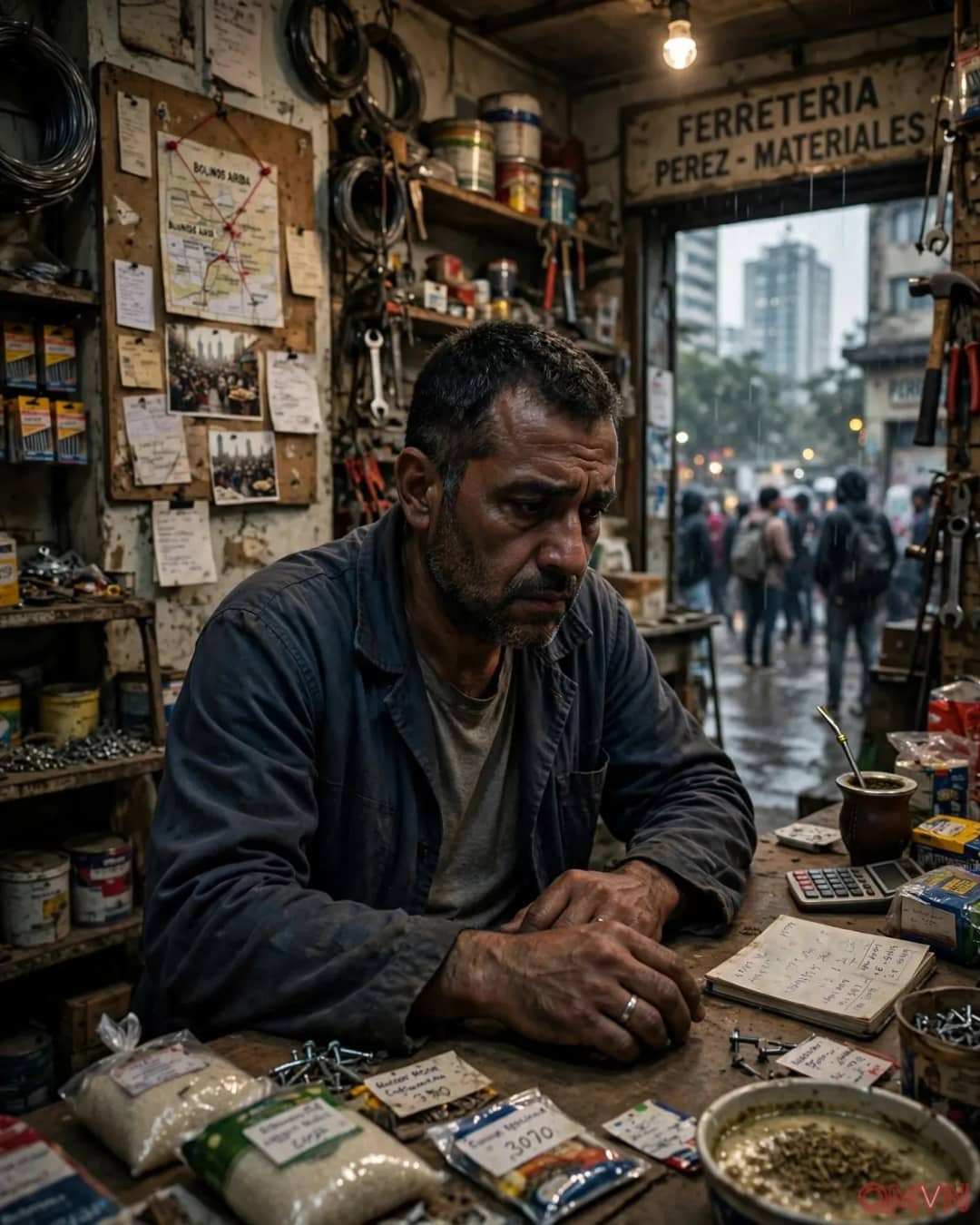
In the hardware shop he has run for six years on the outskirts of Buenos Aires, Gustavo Raul Perez furrows his brow over a notebook. He voted for Javier Milei in 2023. Since then, rapid reforms have thrilled investors and won praise from the IMF: inflation has fallen from nearly 300% to about 33%, imports have opened up and subsidies have been cut. But his restocking costs have tripled, and customers have less to spend.
There was a middle class three years ago. It doesn’t exist anymore.
Perez’s story reflects a tension running through emerging economies: reforms that restored investor confidence and stabilised public finances have yet to lift living standards for many. From fuel subsidy removal in Nigeria to privatisation in Egypt and market opening in Uzbekistan, years of reform have helped these economies weather shocks, yet they grate on citizens who hear of turnarounds they cannot feel.
“No other choice”
The IMF and investors have long pressed emerging economies to cut subsidies and currency controls. The pandemic, followed by food and fuel price spikes after Russia’s full-scale invasion of Ukraine, jolted many into action: cutting spending, liberalising exchange rates and raising interest rates.