MAIN STORY
A local ballot in the shadow of cross-strait politics
In an interview with Reuters this week, Shen argued that even a Chiang victory would demonstrate Taiwanese voters’ ability to choose their own leader. That is Shen’s interpretation, not a prediction of the outcome. He sees electoral competition itself as a response to pressure from Beijing. Chiang’s campaign also called the vote a concrete expression of democracy and rejected political pressure from outside Taiwan. Their shared language about electoral choice does not erase major differences over relations with China.
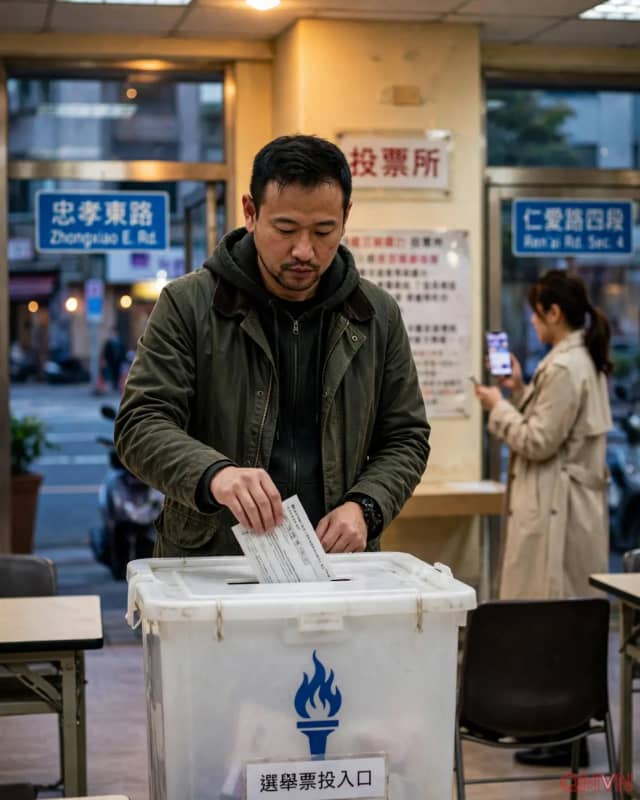
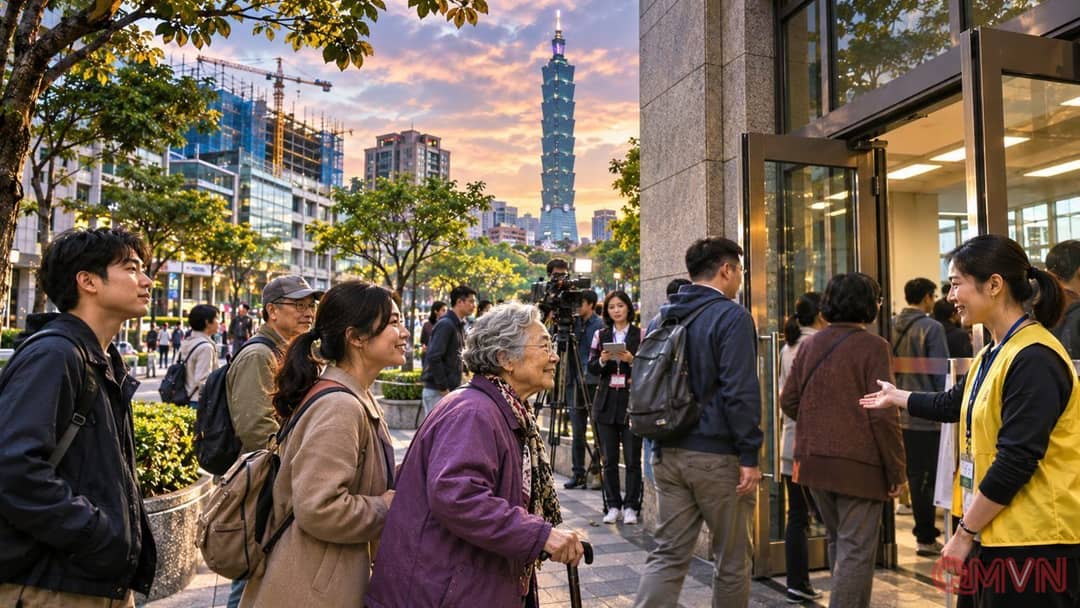
The mayoral race is not formally a referendum on sovereignty. Residents must judge candidates on redevelopment, transport, public safety and living standards. Those obligations complicate attempts to classify every local position as either friendly or hostile to Beijing. For a mayor, the immediate mandate concerns a working city, even when national identity and regional security shape the atmosphere around the vote.
Two candidates and competing records
Chiang has led Taipei since 2022 and can appeal to voters through his administrative record. Shen, a scholar who entered the legislature, is pursuing the DPP’s first mayoral victory in the capital in almost three decades.