MAIN CONTENT
A hunger strike as a last resort for attention
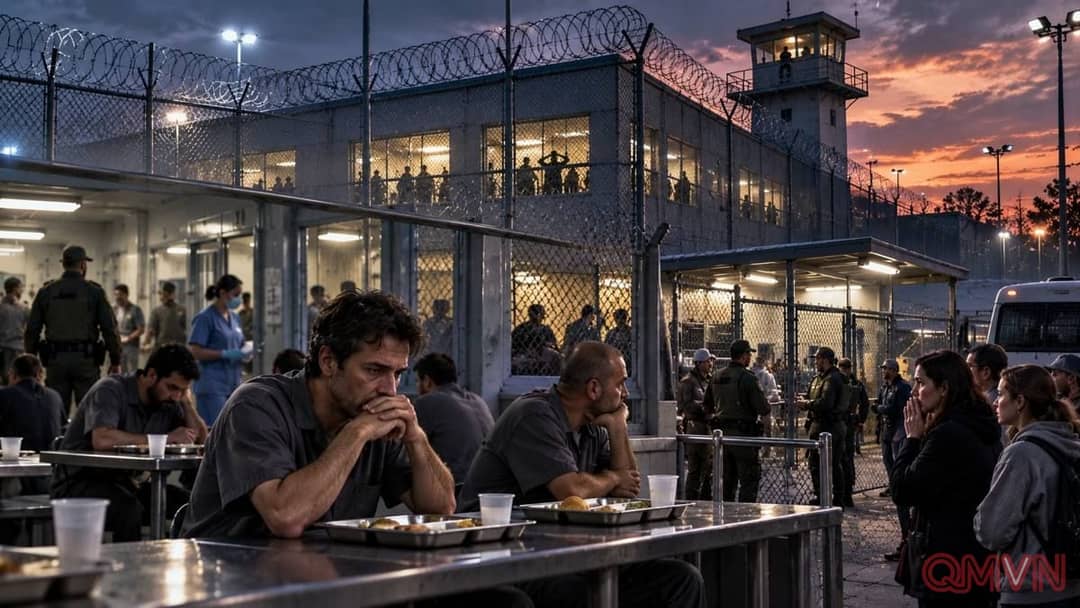
More than 50 detainees of several nationalities are reportedly preparing to join the protest at the Folkston D. Ray ICE Processing Center. According to The Moscow Times, some had already begun refusing food before the planned formal start. Organizers say the purpose is to force inspectors and authorities to see routine problems rather than only a facility that has been prepared for an announced visit.
For detainees, a hunger strike carries obvious health risks, but it is often used when ordinary grievance channels are perceived as ineffective. Relatives of Russian detainees said complaints had already been raised with staff and federal oversight bodies, with little visible change.
Complaints focus on medical care, sleep and basic living conditions
A September 14 document written by Russian-speaking detainees described limited access to medical and dental care, restricted outdoor time, mold on ceilings and mattresses, poor ventilation and conditions that made sleep difficult. One detainee said he had gone nearly two years without a routine dental cleaning.