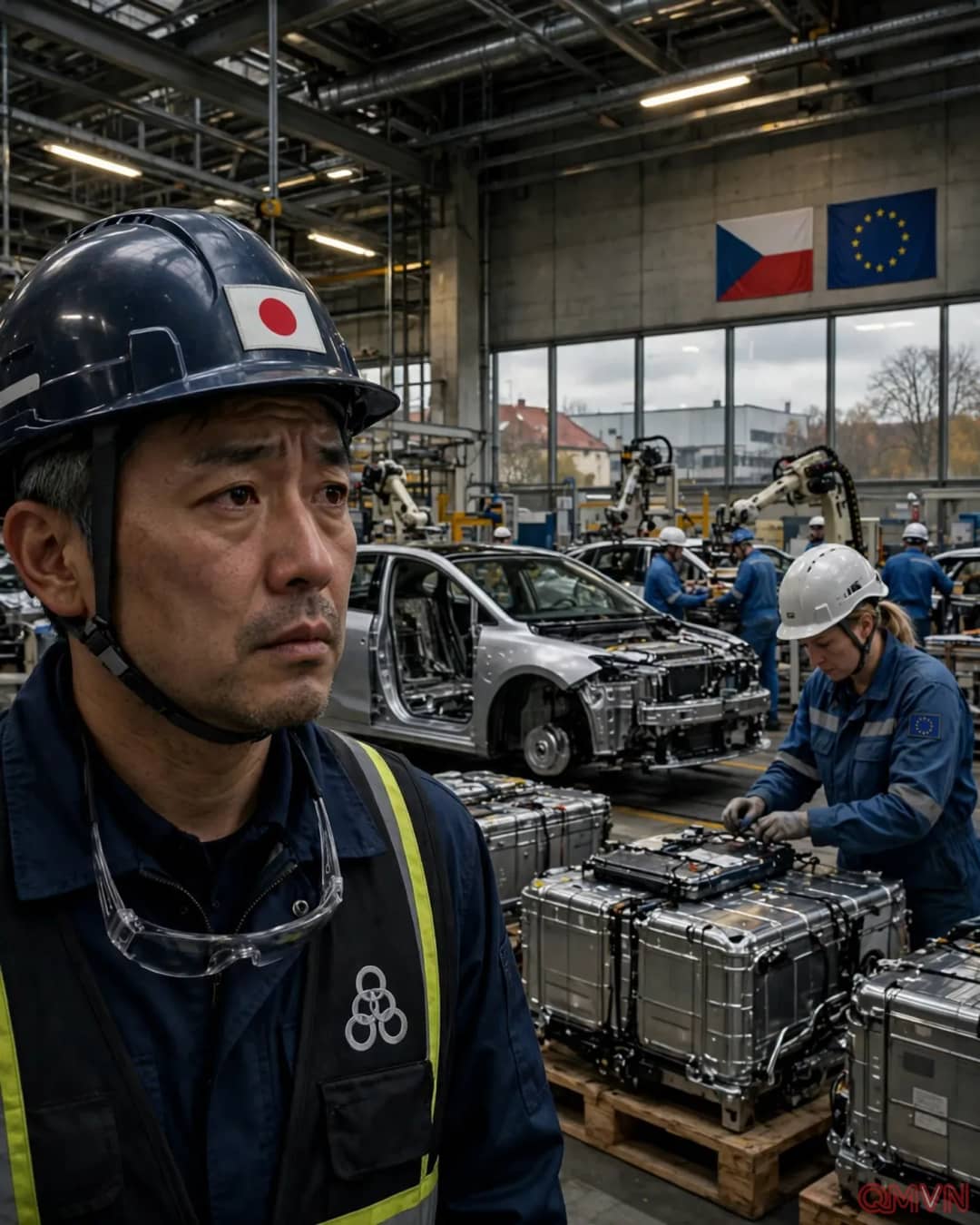
“Made in Europe” rules for EVs
The European Commission proposed the measures in March amid fierce competition between EU and Chinese makers in EVs and other low-carbon sectors. Under the deal member states are discussing, the key points include:
- Only EVs and plug-in hybrids assembled in the EU would qualify for subsidies and public procurement.
- Under the original proposal, 70% of component value must come from the region, with a 50% threshold for critical components applying after three years.
- The list of “trusted partners,” whose exports would be treated as equivalent to EU products, remains the biggest point of contention.
Details are still being discussed, but according to NHK, vehicles made by Japanese companies outside the EU are unlikely to receive favorable treatment. Member states aim to finalize the agreement as early as next month.
Toyota, Suzuki and Nissan at risk
Toyota makes EVs for the European market and plans to expand a plant in the Czech Republic. For now, however, it exports EVs from Japan and produces plug-in hybrids in Turkey, which is not an EU member.