MAIN ARTICLE
A diplomatic stage built in Shenzhen
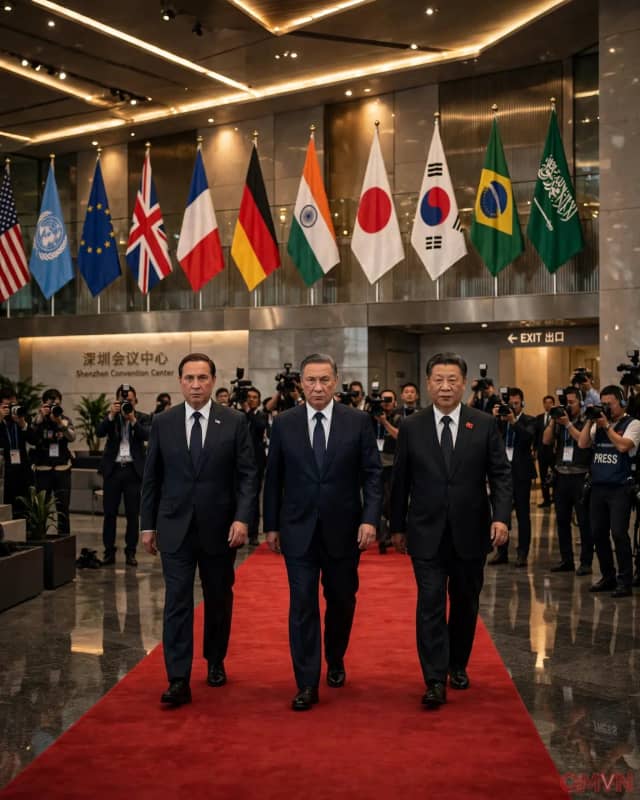
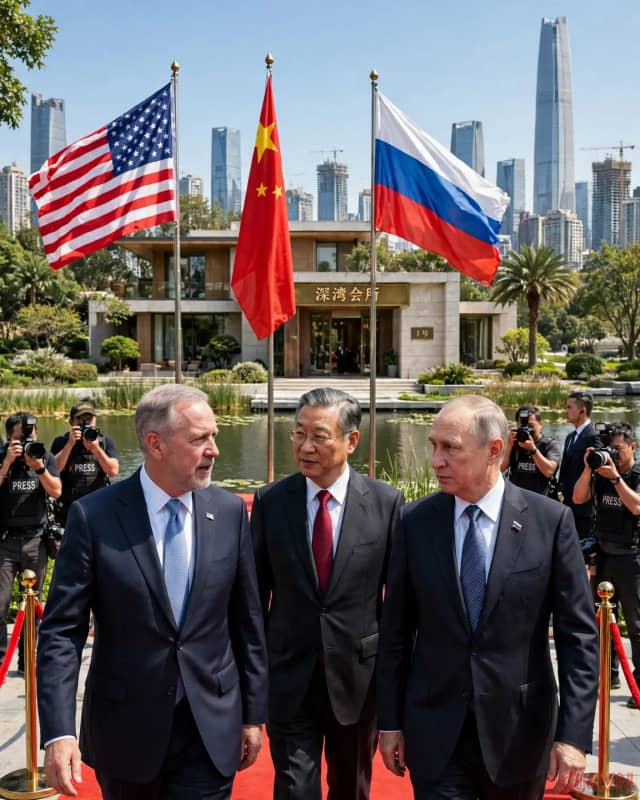
Shenzhen, a major Chinese technology hub, is providing the backdrop for an encounter whose significance reaches well beyond the APEC economic agenda. Reuters reported that Xi greeted Trump at the airport on November 18, a notably personal gesture before their formal discussions. Trump and Putin briefly shook hands at a photo opportunity, although Russian reporting indicated that no substantive conversation occurred then. Such gestures convey willingness to keep channels open; they do not, by themselves, indicate agreement on policy.
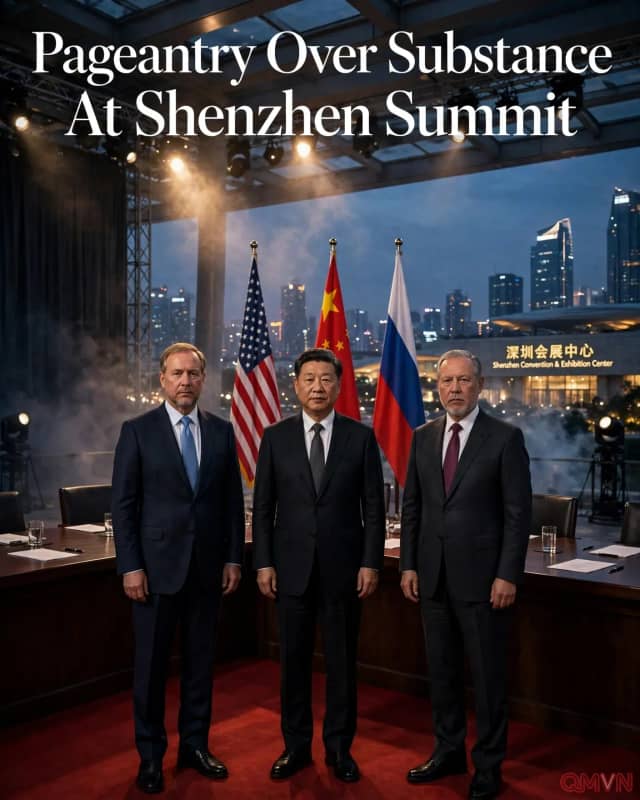
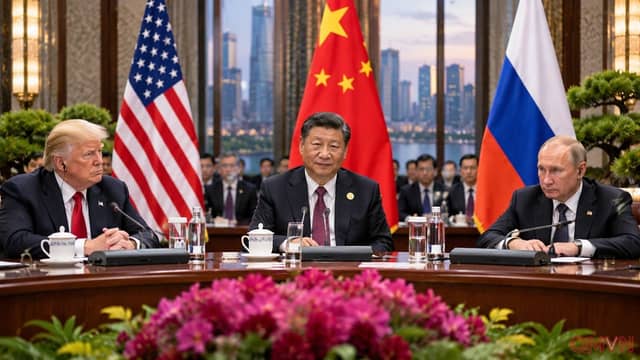
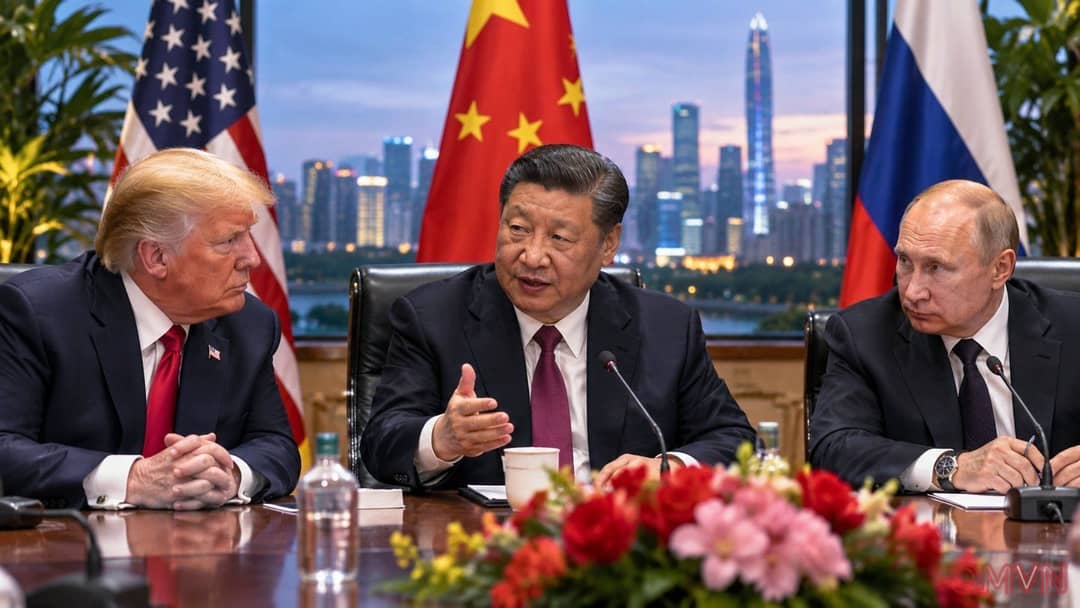
Xi presented China as a defender of open trade and a source of stability, while Putin criticized the use of Western sanctions. Trump, meanwhile, has used his Asian trip to emphasize American influence, strengthen regional relationships and seek direct engagement with two strategic competitors. A photograph of the three leaders together would be unusual in its own right. Turning that image into verifiable commitments is a much more demanding undertaking, particularly when each government has different expectations of what the meeting should accomplish.
Nuclear weapons test the limits of cooperation
Arms control offers the clearest example of the competing agendas. Washington wants China to join a framework that includes the United States and Russia. Beijing argues that its nuclear forces remain substantially smaller and therefore should not be bound on the same terms.