Confronting Trauma and Overcoming the Blind Spots of Silence
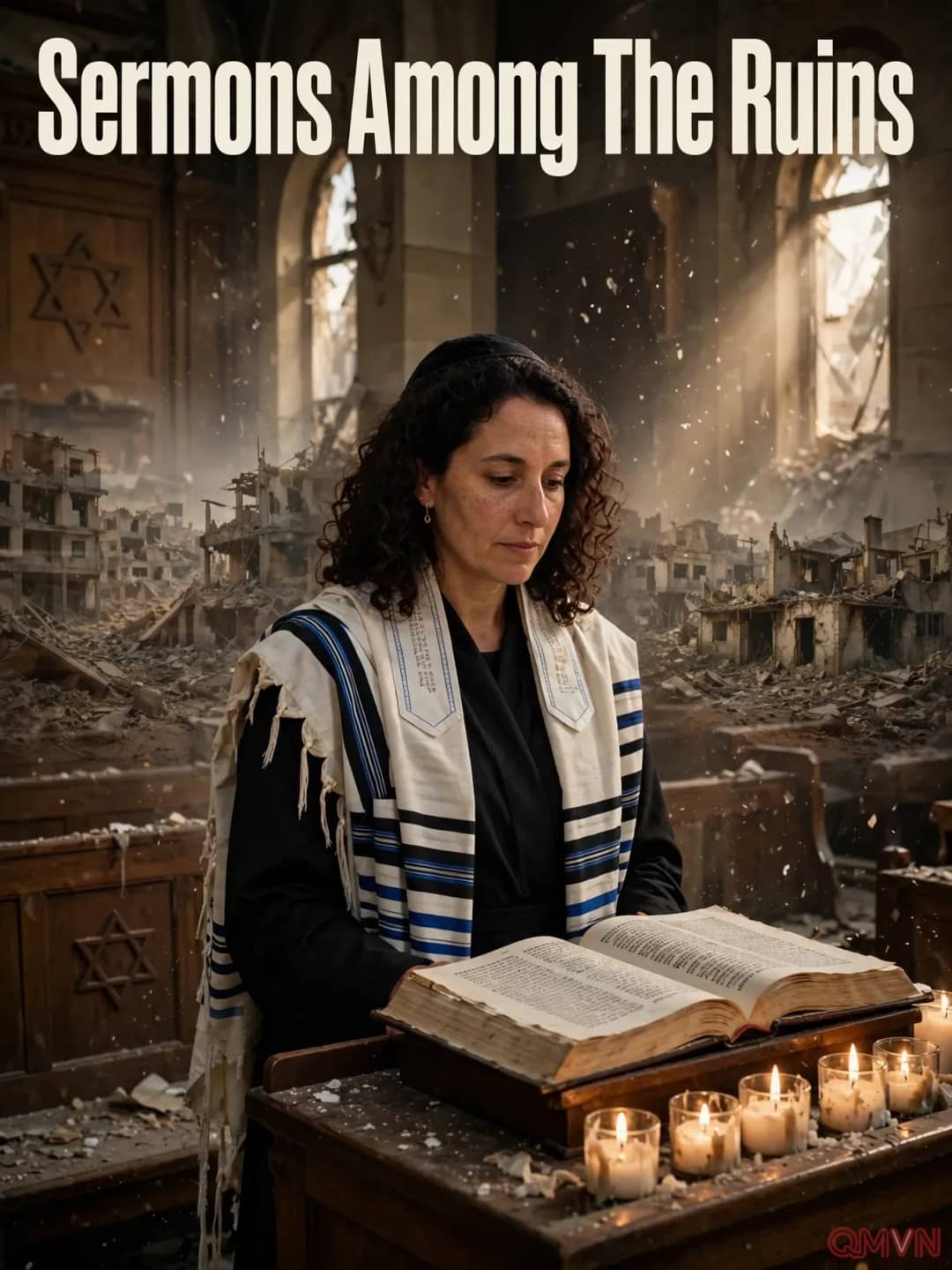
Revisiting the addresses delivered at her Beaugrenelle synagogue in Paris from the eve of the October 7 massacres to the return of Israeli hostages, Rabbi Delphine Horvilleur embarked on an uncompromising exercise in moral self-criticism. In her new book, she reflects deeply on the cognitive blind spots forged by catastrophic grief, acknowledging how inherited intergenerational Jewish trauma initially overwhelmed her senses.
This emotional paralysis delayed her ability to publicly address the immense suffering of innocent Palestinian civilians until months into the military campaign. Breaking that silence placed her in an agonizing vice between opposing factions: castigated by some as a traitor for extending compassion to Palestinians, and condemned by others for speaking far too late.
“After October 7, I was stunned by our pain. This intergenerational suffering echoed so loudly in my mind that I could no longer hear anything, no longer see anything; it took me time to speak about the suffering of innocent Palestinians.” — Rabbi Delphine Horvilleur
The Devastating Collapse of Language and the Trap of Tribal Campism
Horvilleur sounds an urgent alarm over what she diagnoses as 'the collapse of words' in contemporary public discourse, where reflective dialogue is rapidly supplanted by digital howling and weaponized rhetoric. Words are systematically drained of their nuanced meanings, coercing individuals into rigid 'campism' where empathy is strictly confined to one's ethnic or religious tribe while viewing external suffering with callous indifference.