MAIN ARTICLE
The small component connecting the AI economy
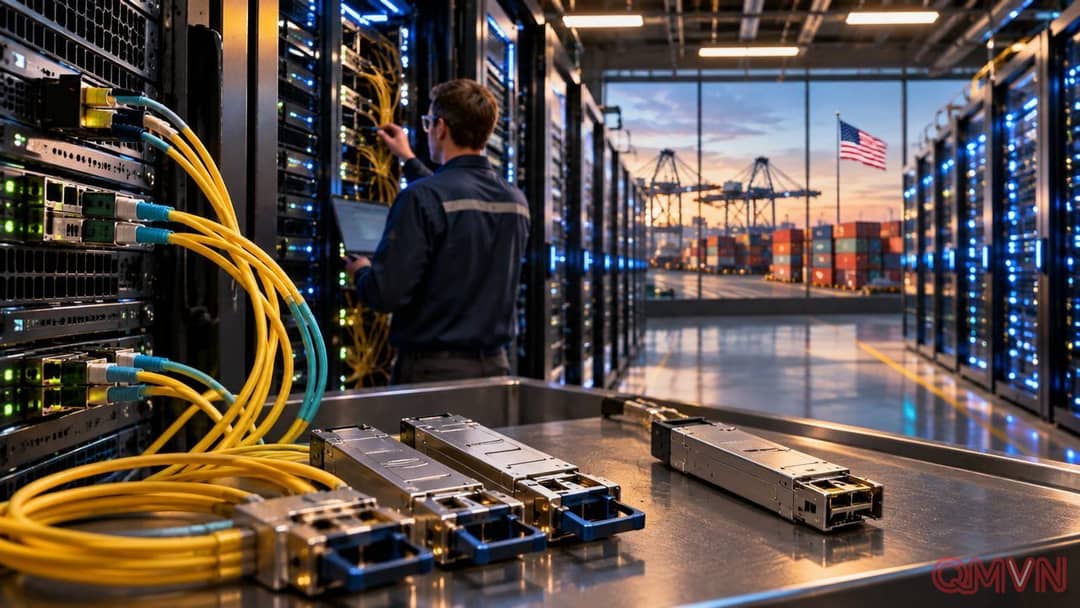
AI processors do not operate in isolation. Servers, switches and routers exchange enormous volumes of information, and optical transceivers convert electrical signals into light, and back again, so that data can move through fiber-optic cables. Without those connections, expensive processors may remain underused. A very large data center can require millions of the devices, making them essential despite their relatively modest size.
John Miller, executive vice president for policy and general counsel at the Information Technology Industry Council (ITI), warned Reuters that a supply interruption could bring the rollout of data centers close to a standstill. His concern illustrates a basic engineering reality: the productivity of a computing system depends not only on individual chips, but also on the links that allow them to work together.
Figures from market intelligence firm Cleanview, cited by Reuters, put Microsoft's US pipeline at 35 data centers under construction and a further 134 planned. The figures convey the scale of investment; they do not establish that every project would be affected by a regulation that has not yet been adopted.