Doubts over the AI spending spree
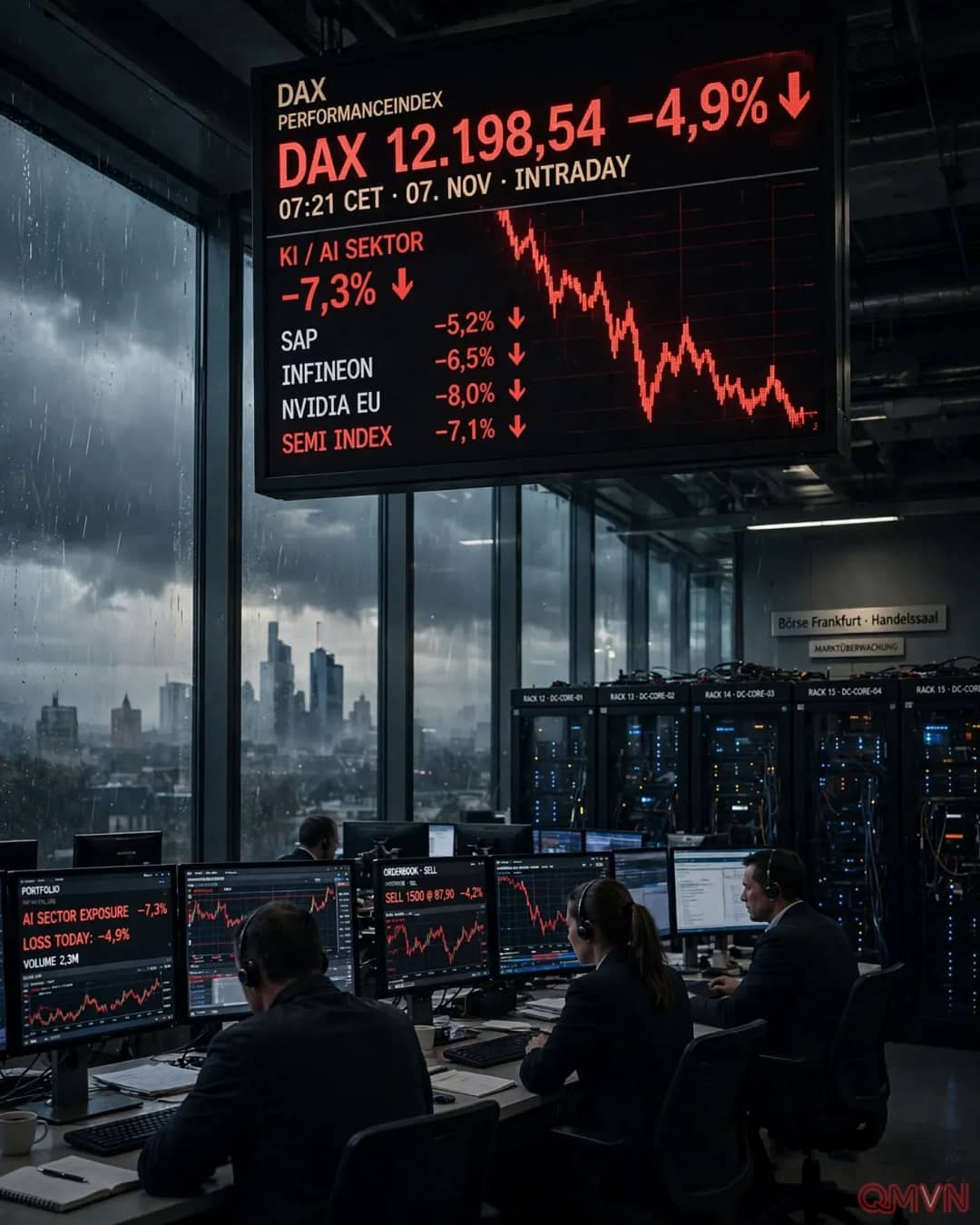
For nearly four years, AI optimism lifted share prices around the world and boosted household wealth. Now the question has shifted from how big AI will become to whether the massive investments behind it can pay off on time.
The market has shown its hand regarding its dependency on the AI story.
Pasquariello added that after years of uninterrupted gains, markets have entered a far more complicated period, as concerns about debt-financed data centres collide with political and regulatory uncertainty.
Asia's bellwethers step in
South Korea and Taiwan, home to some of the world's most important chipmakers, have been hit especially hard. Their authorities, along with Beijing, have moved to calm investors:
- South Korea's finance minister reiterated plans to stabilise the market if necessary.
- Taiwan's financial regulator ordered tighter rules on short-selling stocks.
- Chinese stock exchanges announced support measures, including easier margin financing.
- Trading in Asia was thinner than usual because of a public holiday in Japan.
The dollar, the Fed and what comes next
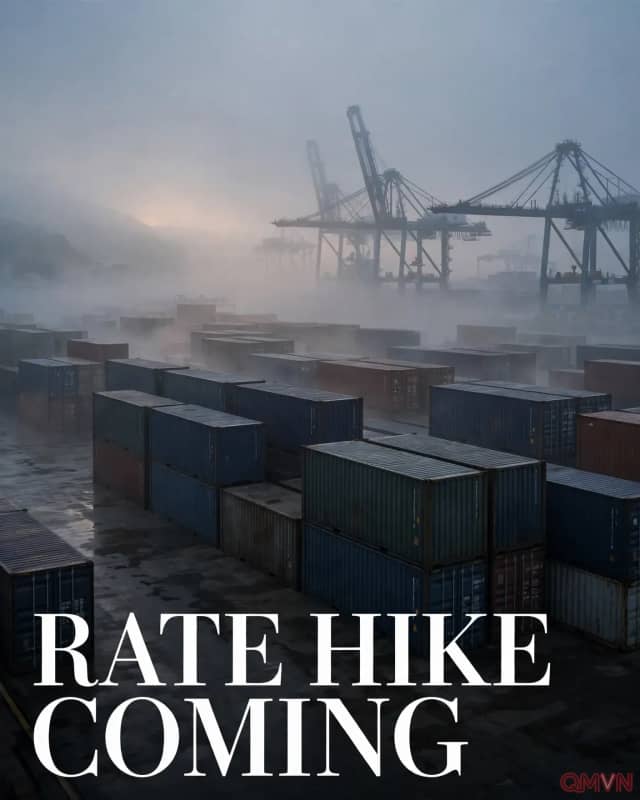
Expectations of a 25-basis-point Fed rate hike next month have kept the dollar near a 19-month high, and the global stock rout has added safe-haven demand for the currency. Wednesday's PCE inflation data could either calm nerves or deepen the selloff.
Elsewhere, Bloomberg News reported that MSCI chief executive Henry Fernandez signalled openness to alternatives to a two-step downgrade of Indonesia's market status in talks with President Prabowo Subianto. Investors will also watch European business surveys and remarks by New York Fed President John Williams for clues on the global outlook.